
This is the first of a series of postings on our recent Quebec-New Brunswick road trip.
 For sometime now we have wanted to go back to Montreal and visit some old haunts. Well this was the year. We drove to Montreal stopping first at 6815 Sherbrooke Street W (near Cavendish) to see Dave’s grandmother’s apartment building. Nana as we called her, lived here from about 1954 to 84. Dave has fond memories of visiting her here as a child. I can still smell the clean soapy smell of her apartment and that particular musty smell of the lobby as you entered. To us Montreal was a big city then and now. I remember marvelling at the buses, the traffic and the excitement of it all. “Hatwatter” (with the accent on the last syllable) the bus drivers used to announce at Atwater Ave on our way downtown.

The balcony of the left was hers, very cool at the time.
The pedestrian tunnel under Sherbrooke to the park across the street is long gone. I remember loving at it as a kid – imagine walking under the roadway above? The big swings in the park that I so much enjoyed, have been replaced with a play structure and little kiddy swings. Trains still whistle by at one end like I recall. It is a peaceful fun place that I will always remember.

Next we drove to mom’s house on Beaconsfield Ave in NDG where she grew up and then to her church, Knox Kensington Presbyterian, a few blocks away. We then headed for Mount Royal Cemetery. Luckily I had brought the plot number and we found Papa and Nana Ward’s gravesite quickly.


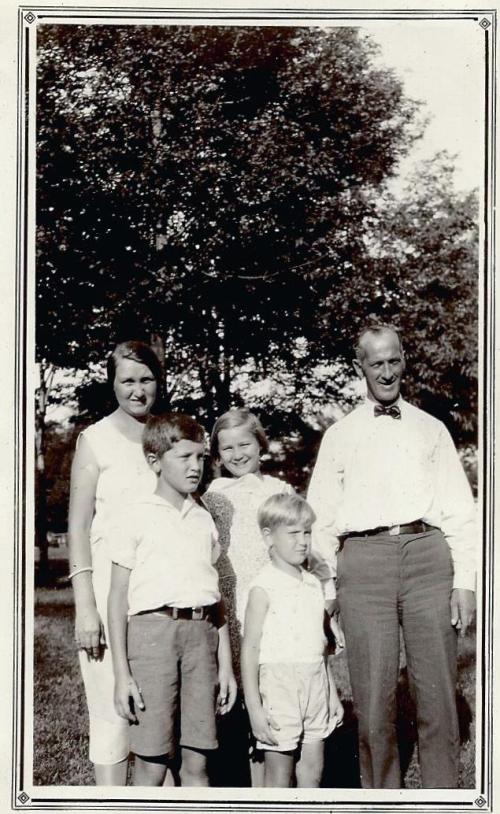
Before we went to our AirB&B apt on rue Hotel de Ville, we toured St. Joseph’s Oratory. Dave forgot his sunglasses there right after the picture below was taken lol.

We were lucky and found found free parking on the street as host David greeted us warmly in front of the AirB&B. He was very helpful and recommended some good restaurants and sites to see. There was no A/C nor did the TV work. We had fans and as we were not there to watch TV, all was fine. That night we strolled to Old Montreal, just a few blocks away and had a great dinner of wine and nachos at Jardin Nelson, right beside the jazz trio – great!

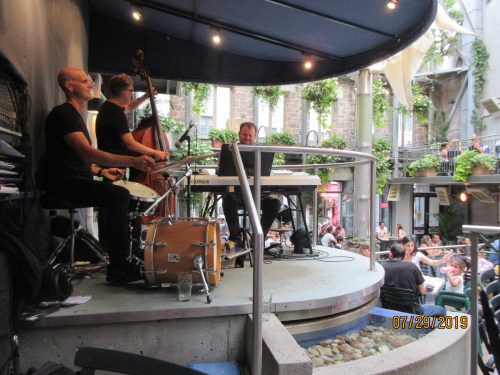
Montreal is truly an exciting city to visit or live in. There is a cosmopolitan vibe you don’t find in many other places. This time I used my rusty French and people responded in French! The lack of French is not an impediment as nearly everyone speaks English, and many other languages too.

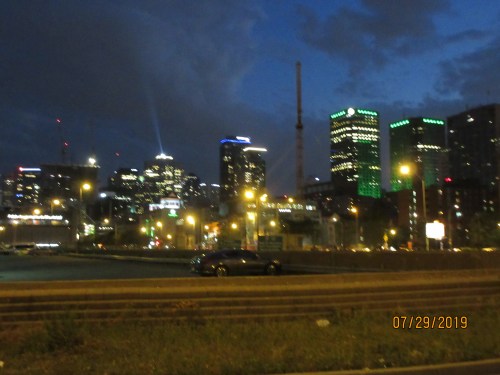
After a pit stop at Ben and Gerry’s in Place Jacques Cartier, we headed home for the night after a great day one!

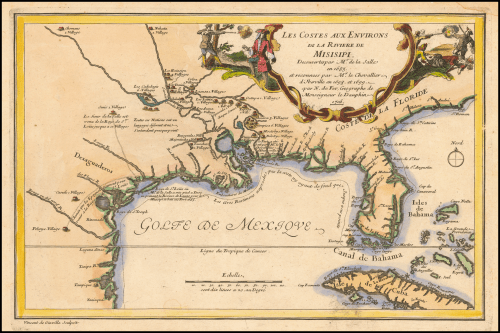
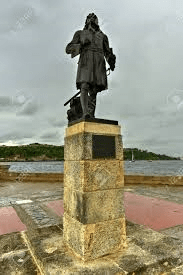
 Bienville, Iberville’s younger brother was left to govern the slow growing Louisiana colony. In the spring of 1718, he founded New Orleans which becomes its capital. It was named after Philippe II, Duke of Orleans. In 1723, Governor Bienville moved into his new home in the French Quarter, in what is now the Custom House. Thus it is a Canadian born who is the founder of one of the most culturally unique cities in North America. If you google Iberville or Bienville, you will find dozens of towns, schools and communities which proudly bare these names today. This is living Canadian history folks. Thanks for reading.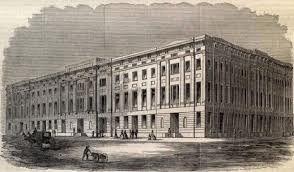

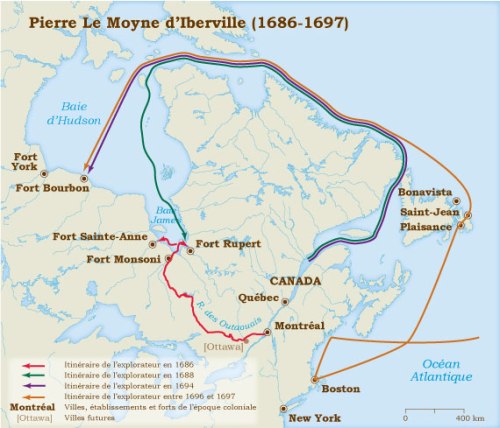
 Arriving at the mouth of the Hayes River on Sept 24, he lands a party to reconnoitre York Fort and begins preparation for a long winter siege. In October, he summons the English to surrender and surprisingly, they do. Though well supplied with men, heavy cannon, food, and trade goods, governor Thomas Walsh had neglected to lay in firewood, ignoring earlier warnings of an impending French attack. That winter, there was much hardship and scurvy takes the lives of many Englishmen, French sailors and Canadians too. In the late spring of 1695, York Fort, now renamed Fort Bourbon, is left in charge of the French and Iberville returns to France. During his campaign there, the Indians had brought 450 canoe loads of rich pelts to trade.
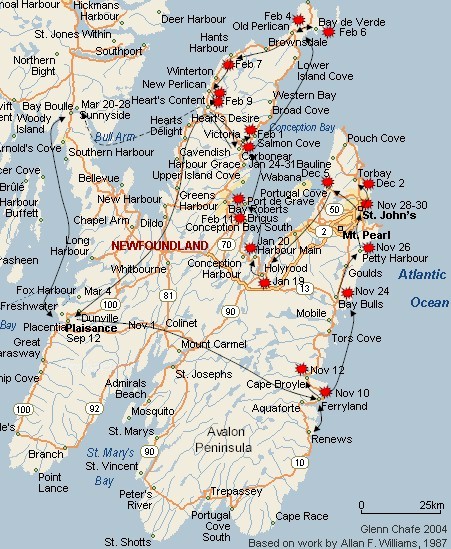 Iberville than sailed to Placentia (Plaisance), the French capital of Newfoundland, determined to route the English from the island. It is to be one of his most daring, ingenious and cruelest campaigns ever. Iberville marches his men across the Avalon Peninsula (this had never been done before by a military force) and proceeds to attack station after station, killing, looting and utterly destroying the fishing settlements of the English. There is an excellent detailed story of his campaign worth a read


 Back home in Europe, to contain Louis IV’s ambitions, England joins with the Dutch, Austria and eventually Spain and Savoy in the Nine Years War against France, known as King William’s War in North America. In August 1689, news of this having reached the English colonies first, 1500 Iroquois are emboldened to attack Lachine just outside Montreal. Many French settlers are killed (reports range from 25 to 250) and the settlement is burnt to the ground.
 In retaliation, Governor Frontenac sends a force of 210 led by Pierre’s brother Jacques, with Pierre 2nd in command and another brother Francois de Bienville, to attack Corlaer (Schenectady) outside of Albany, NY in Feb 1690. They catch the town completely unawares, killing as many as 60 inhabitants, taking 25 prisoners and 50 horses back to Montreal after burning the settlement to the ground.





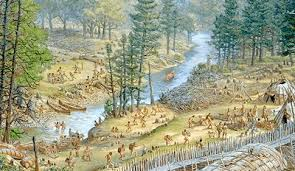
 Not far away at the fortified St.-Marie mission, the French and Huron prepared for a last stand. 300 brave Huron from La Conception sortied out and inflicted severe losses on the Iroquois before being overwhelmed by much superior numbers. Fearing the arrival of other large Huron relief forces, the Iroquois then withdrew. This was on March 19 which was the Feast of St. Joseph. The French attributed their deliverance to his special protection. St Joseph is the patron saint of Canada


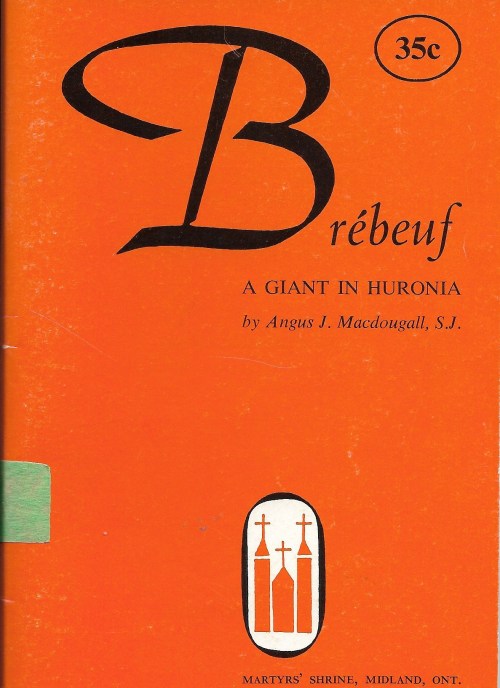
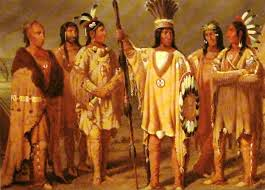
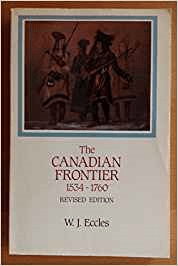
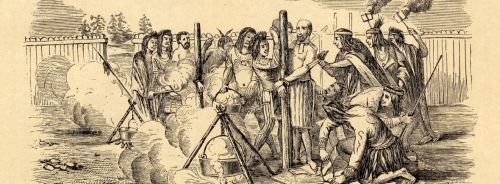 We learned last time from W. J. Eccles in the The Canadian Frontier 1534-1760, that the Jesuits established themselves in missions in Huronia during the period 1632-39. Their goal was to convert the Huron Nation, some 30,000 strong, to Christianity.
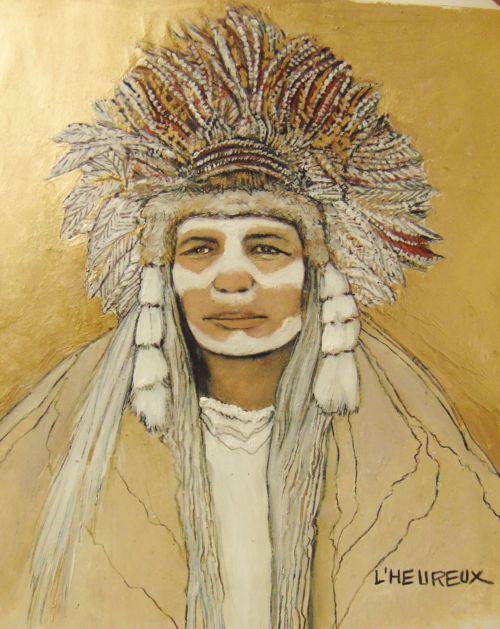
 The Jesuits found that before they could hope to enjoy and real success, they had to undermine the old beliefs of the Huron, and in so doing, they helped to destroy their culture. One approach was to demonstrate that the Indians reliance on dreams to govern their future actions was inefficacious. Once a few Huron had been converted and openly rejected the belief in dreams, and if they had as much luck in the hunt as the pagans, the latter began to doubt their old beliefs.



 mattersofthemoment