
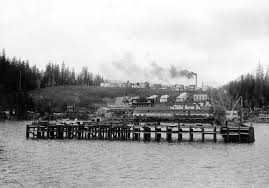
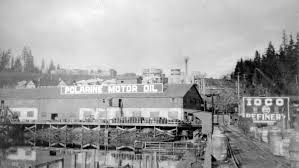
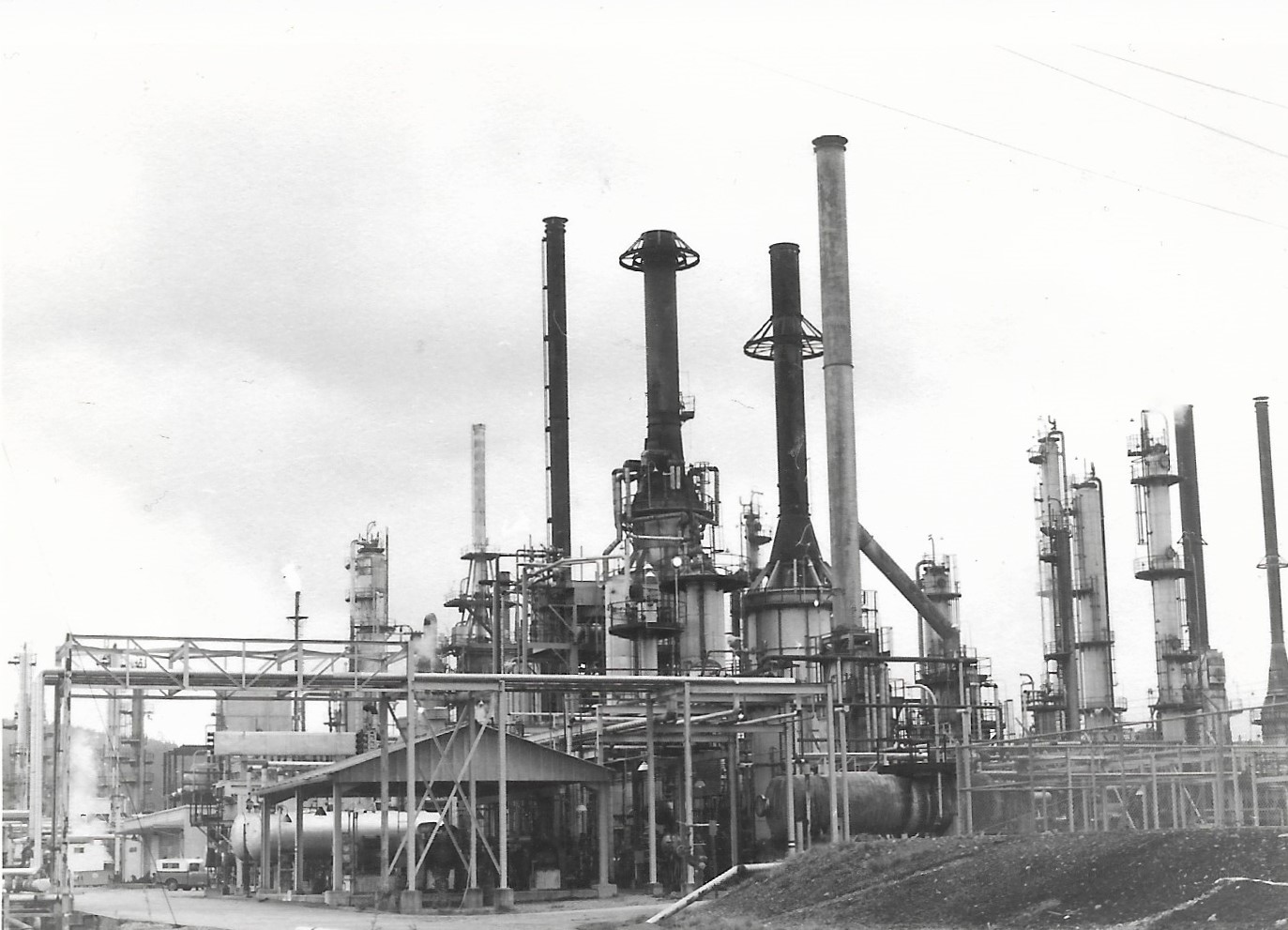
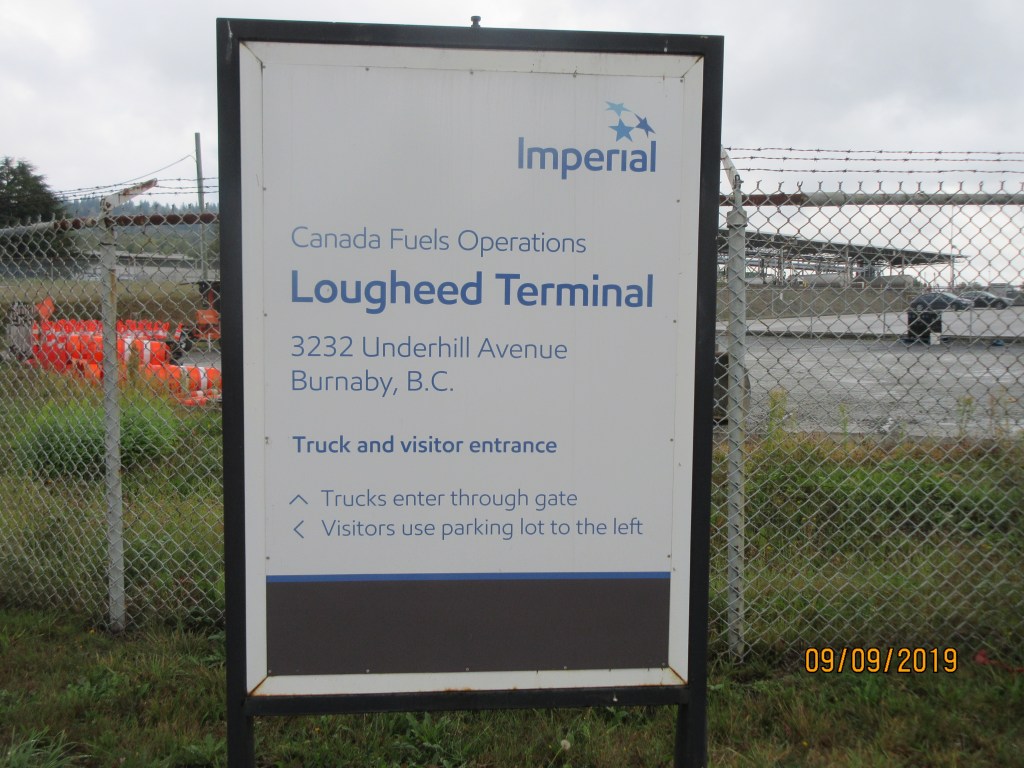
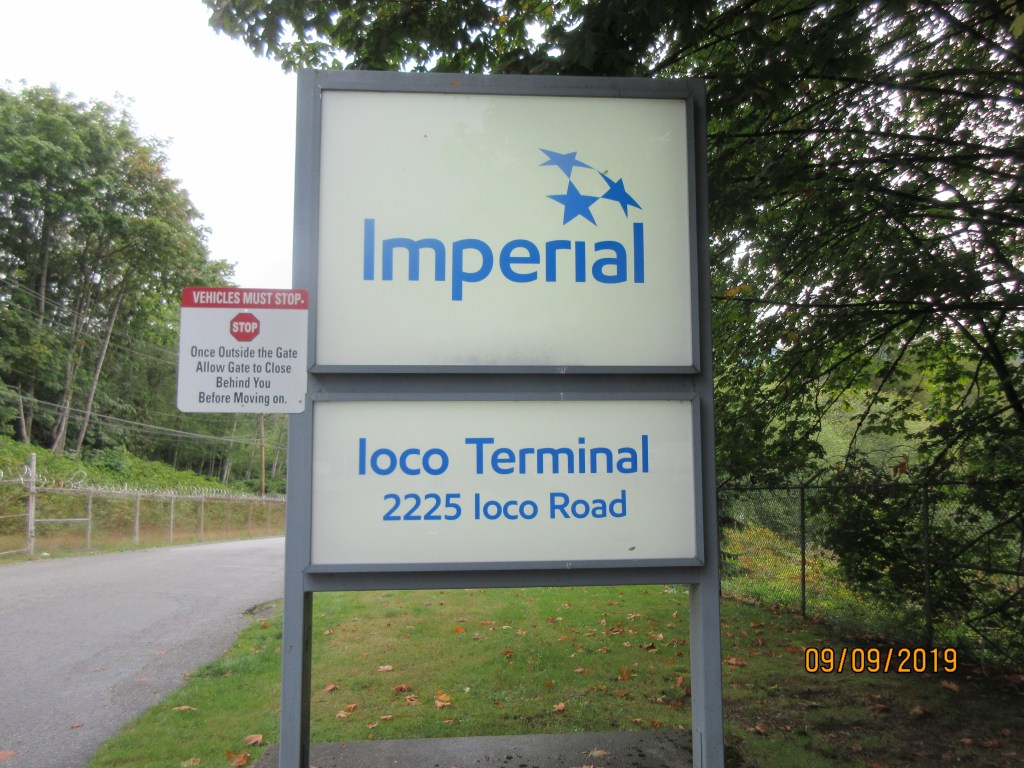
Ioco (Imperial Oil Co) Refinery was built in 1914 in Port Moody (Vancouver), BC and closed in 1995 when it was converted to a petroleum products terminal. I worked there as a chemical process engineer from 1974-78. It was the best of times, it was the worst of times.
The refinery converted 40,000 bbl/day of light Alberta crude oil to a wide range of products including gasoline and diesel fuels, aviation and marine fuels, home heating oil, propane, butane, bunker fuels, asphalt and specialty chemicals like xylene. Crude oil arrived by pipeline; products were shipped out via pipeline, truck, rail, ship and barge. As such it was a small medium complex refinery. The diagram below is indicative of this facility. We did not produce petroleum coke or hydrogen.

I was contact engineer for the crude distillation unit and then subsequently for the amine treating and Claus sulfur plant. As contact engineer I was responsible for monitoring and reporting on the operation, dialoguing with the operators and equipment techs on issues as well as for special projects such as optimizing the thickness of insulation to install on heated oil tanks, designing pumping and product blender installations, etc. Below is the actual flow plan for Ioco Refinery prepared by Art Quan, P.Eng in 1974.

A good part of the job was problem solving. We were taught that “A problem is a deviation with a cause unknown.” We were given lot’s of training on how to solve problems. Example problems: “We are flaring off too much propane this week because the capacity of the merox treater is down;” or, “The output of the sulphur plant is low because we can’t control the air to H2S ratio accurately.” Fix it! You get the idea.
I remember my first day, entering the control room glittering with controls and screens, slide rule and text book in hand, thinking I was going to change the world. The operator looks up at me and scowls to himself, “not another green engineer that I’ll have to break in.” Well I quickly learned to be humble, ask questions, build trust and gradually the operators would open up and tell you what the problem was from their perspective e.g, “I can’t increase the flow to the crude unit without the safety valve blowing on the distillate recycle tank. Maybe the safety valve pressure setting should be checked.”
Once the Oil, Chemical and Atomic Workers union went on strike. I think it was over the imposition of wage and price controls by Pierre Trudeau. Well we engineers and management staff took over operating the refinery. I remember working 7 x 12 hour midnight shifts in a row. We would walk around the units checking the colour of a gauze indicator pinned to our jacket. If it started to turn brown you were in danger of being gassed to death by H2S. I got so tired and stressed out I had an anxiety attack and quit smoking for awhile. Probably a good thing, lol.
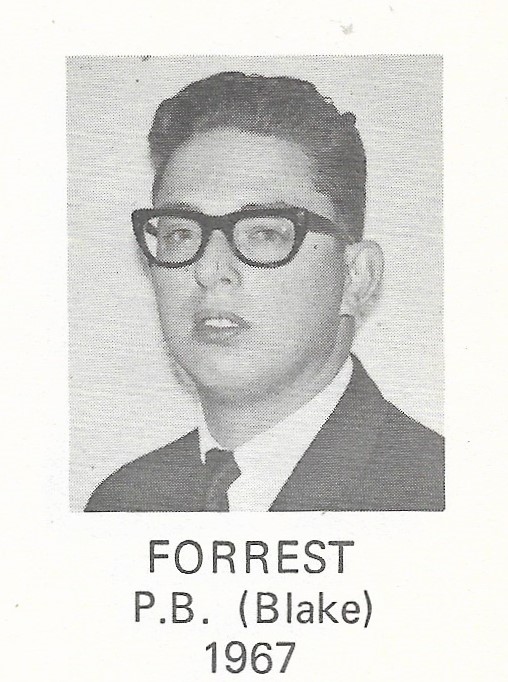
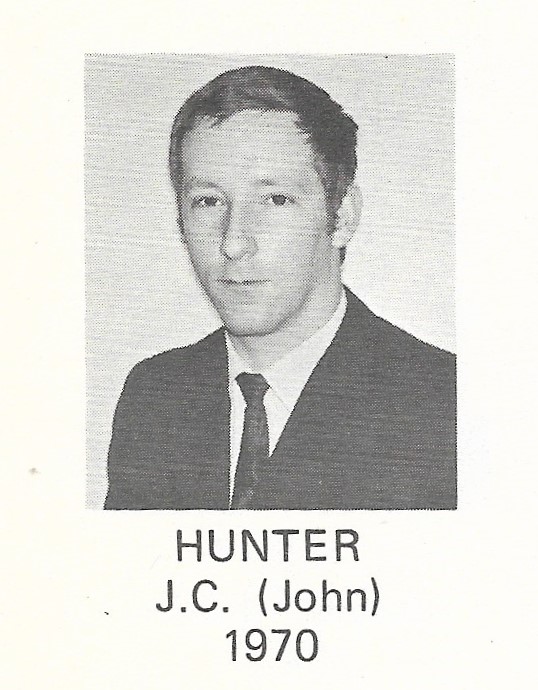
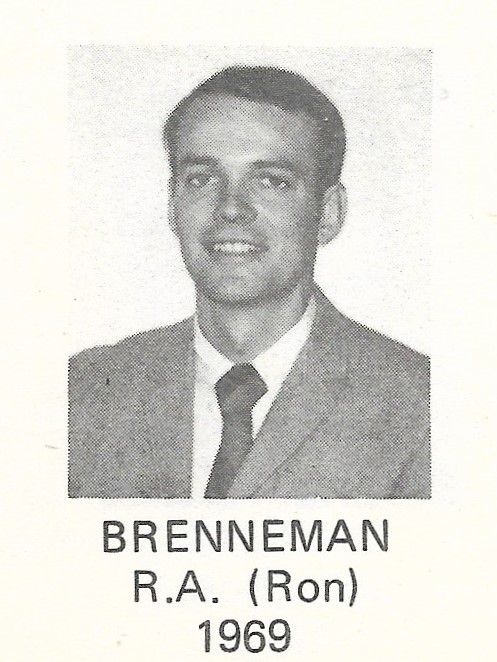
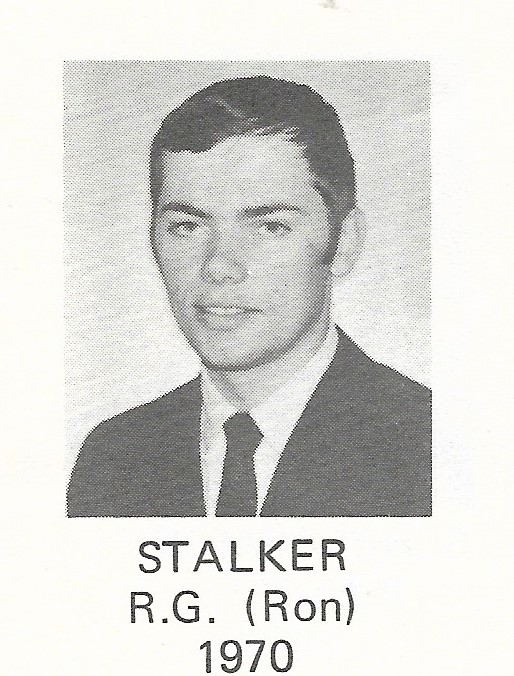
The best thing about working at Ioco was the people. I made so many friends there. We skied together, golfed, fished and partied. We had fun and felt a real calling to working there. I worked with some great engineers like Ron Brenneman who went on to become CEO of Petrocanada. Ditto Brant Sangster who became VP Marketing at Petrocanada. I met good friend Greg Walther who went on the manage the Coastal Refinery operations in Corpus Christi, TX. I remember working with John Hunter, a good engineer; Blake Forrest who was bright and good natured; senior engineer Les Gould who mentored me; supervisor Peter Ambrose who moved on to Syncrude; Bob Runge in the instrument shop; Ron Stalker chief of inspection who went to the same high school I did, became chief inspector at CITGO in LA and has passed away now; Ken Blowey (where are you Ken, people have been trying to reach you); supervisor Art Quan, Barry who I went fishing with (here fishey fishey) and Marilyn and Shelley in the office. Also refinery fire chief Al Sholund who authored local history including about Ioco oil tankers.
I also remember working with Chuck Chang who moved on to BC Hydro Gas, Eric Brown and Michel Poliquin in the computer group, Al Matsumoto with Reid Crowther Engineers, good friend Neil Nicholson from Newcastle on Tyne who moved back to the UK, Roy Warnock who went to Bechtel, Edmonton, Tom Mitchell who transferred to Dartmouth Refinery (and then worked with my university class buddy Gerry Sullivan as the CEO of Open Corporation) and, a slew of others. (If any of you and any other Ioco colleague I failed to mention are reading this please drop me a comment – thanks!)
Imperial Oil was and is an extremely well managed company. However it is a tough company not unwilling to make changes which affect people. After 4 years at the refinery, I moved to their Product Distribution Division for another 4 years.

About the demise of Ioco Refinery. Remember that pipeline, the Trans Mountain that brought crude oil from Alberta? Well turns out it can also bring refined product. In 1976, Imperial built a brand new state of the art refinery in Edmonton. The Strathcona refinery was huge, first 120,000 bbl/day, then 165,000 bbl/day and now 187,000 bbl/day capacity. In 1995, Imperial Oil decided to shut down the relatively inefficient Ioco Refinery and ship refined petroleum products by pipeline from Strathcona and some by rail to Vancouver from Alberta. The cost of the landed product is less this way. So Ioco Refinery was permanently shutdown and dismantled at the end of 1995. A sad day for the hundreds of skilled employees that worked there for sure.
Two other Vancouver refineries were shut down leaving only one in operation (Parkland Fuels Corp.) Fast forward to 2019. The population of British Columbia has grown immensely, particularly the Lower Mainland. There is now a shortage of refined product which is filled by imports from Washington State. There is an industry perceived need for a new refinery to be built in Vancouver but the political, social and environmental forces arrayed against this are huge. Meanwhile, massive traffic jams, slow commutes, unaffordable housing and high priced fuels are common here.


I am all for a greener future but we have to stop driving our fossil fueled cars, make better use of solar and electricity to heat our homes, take public transit more often, stop flying, cruising etc. Thanks for all those memories Ioco friends, you are not forgotten. In the moment, what do you think about the oil industry, pipelines and how we can ensure a greener future?



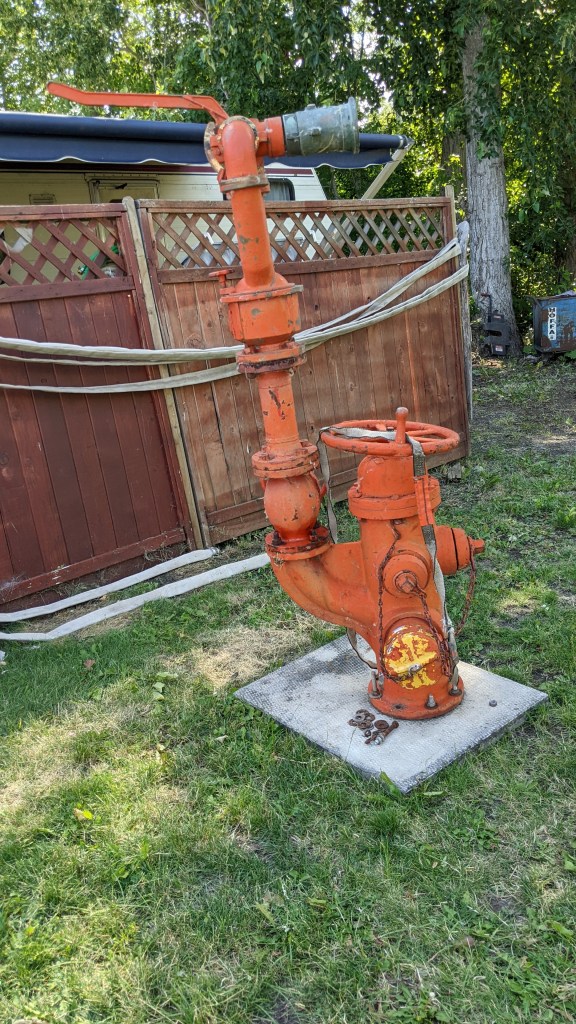
Bob Lindley recently sent me the above photo of an Ioco fire hydrant destined for the metal dealers dump that he rescued. I wonder if it was ever used other than for training and maintenance? Thanks Bob. Do you live near Ioco and/or, did you work there?
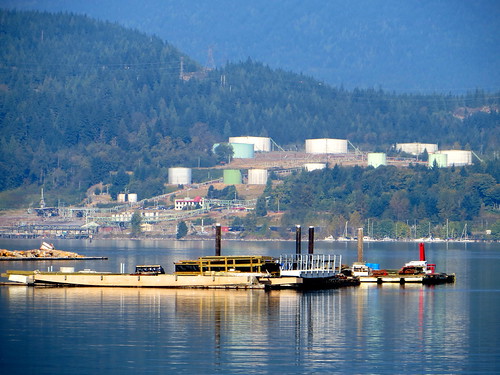
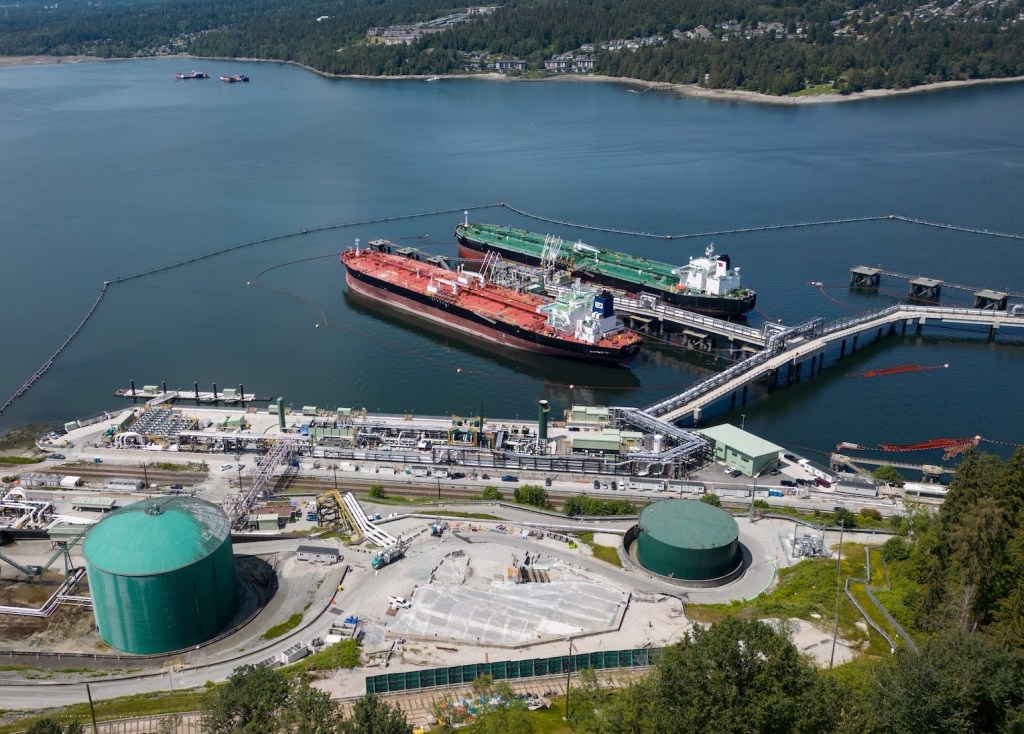
I am adding this recent photo of the Trans Mountain Pipeline marine terminal in Burnaby courtesy of the Globe and Mail. Apparently they are dredging Vancouver harbour so that the crude carrying ships can be loaded to 100% capacity vs. the current 70%.














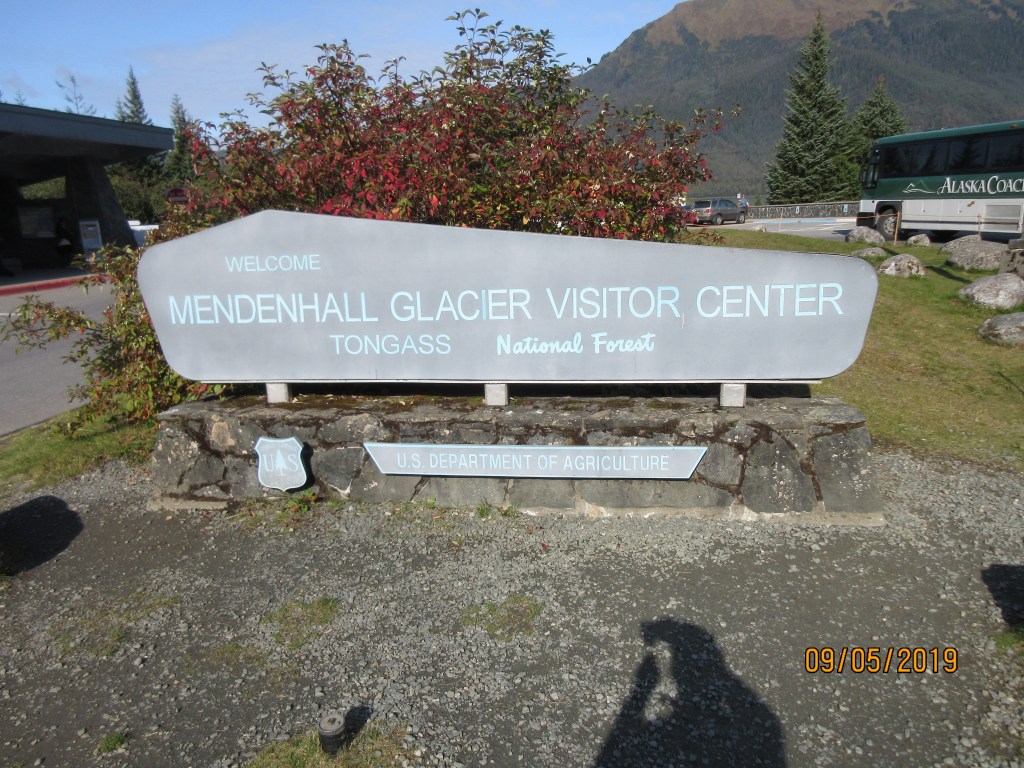
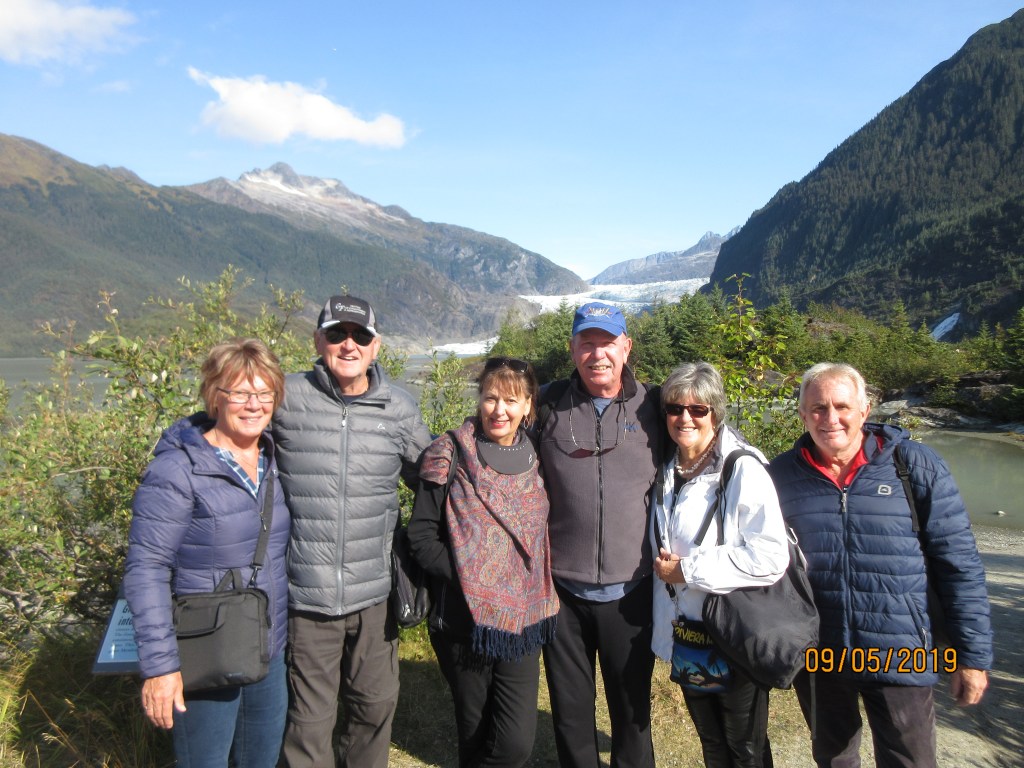
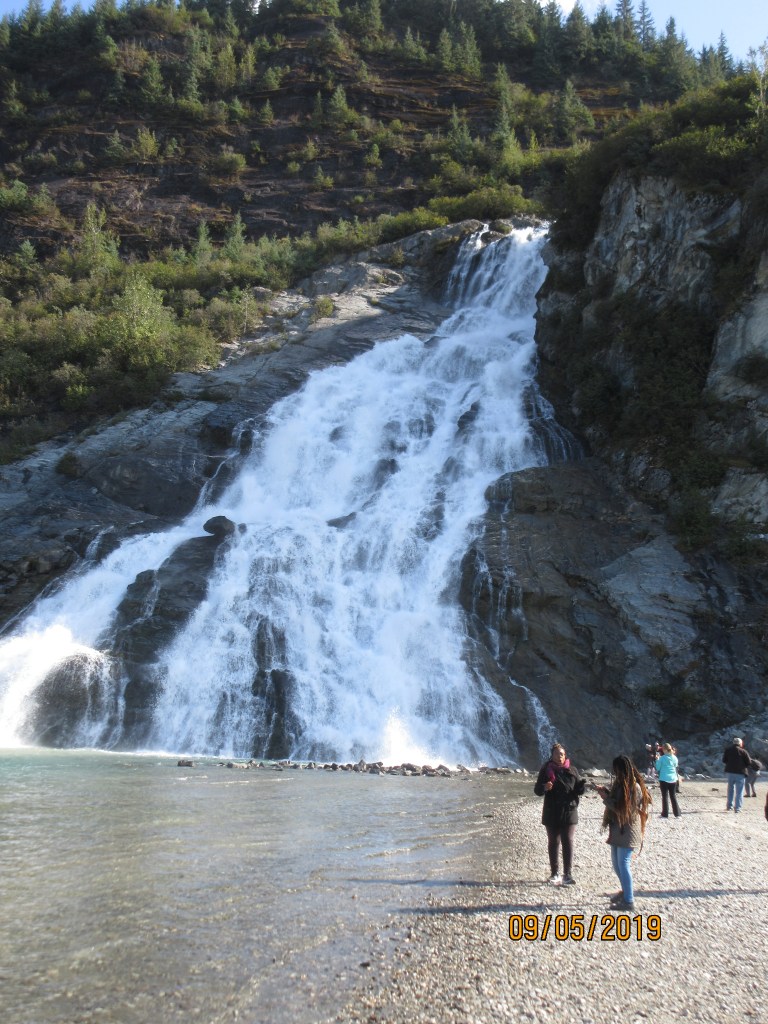
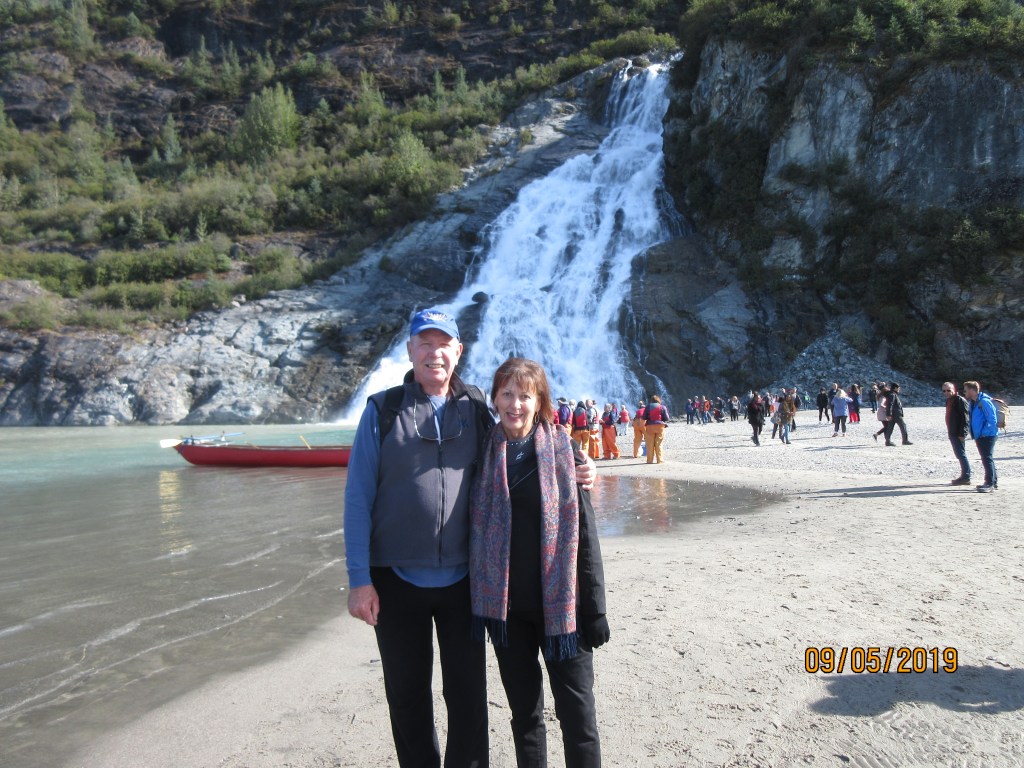

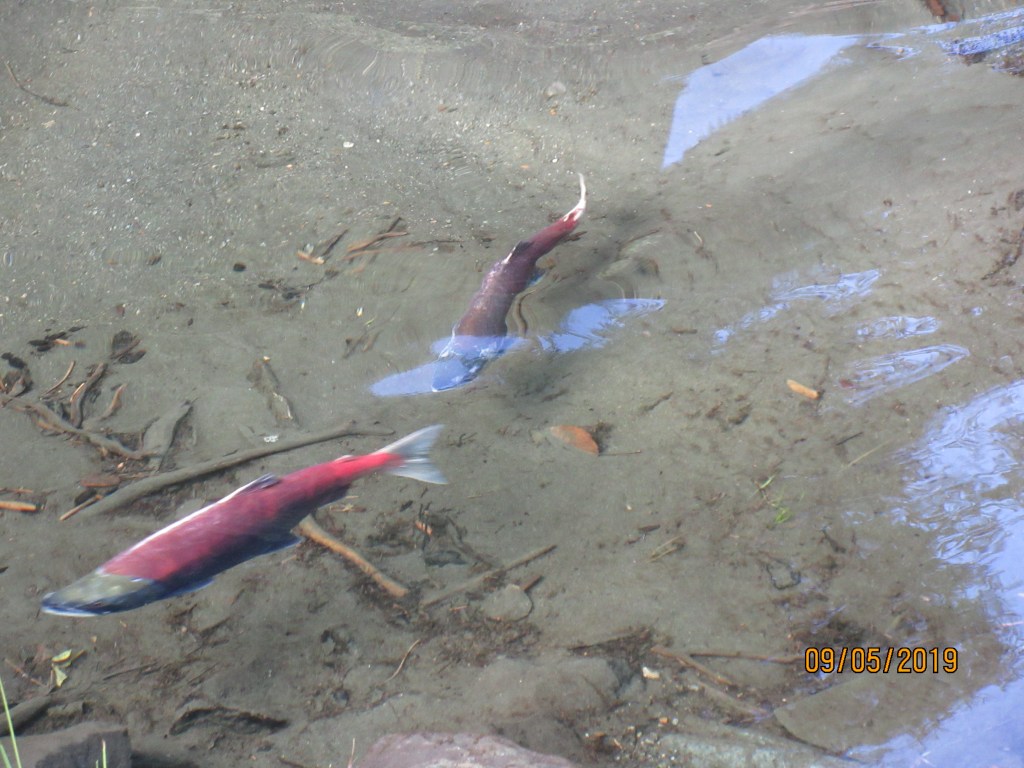

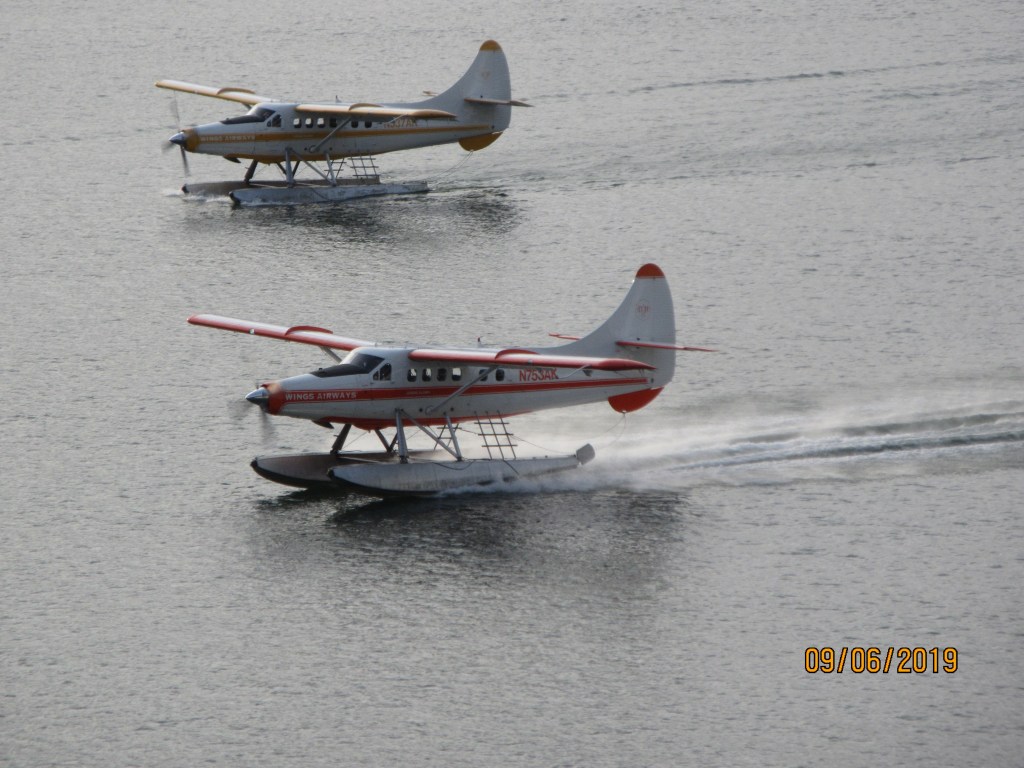
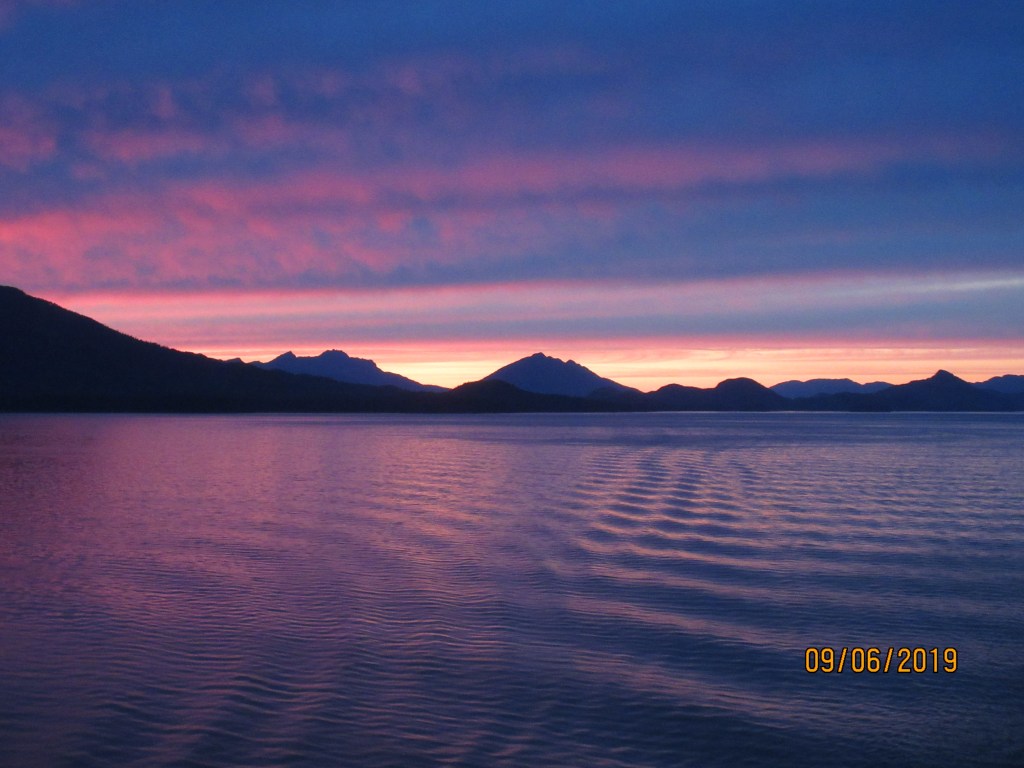

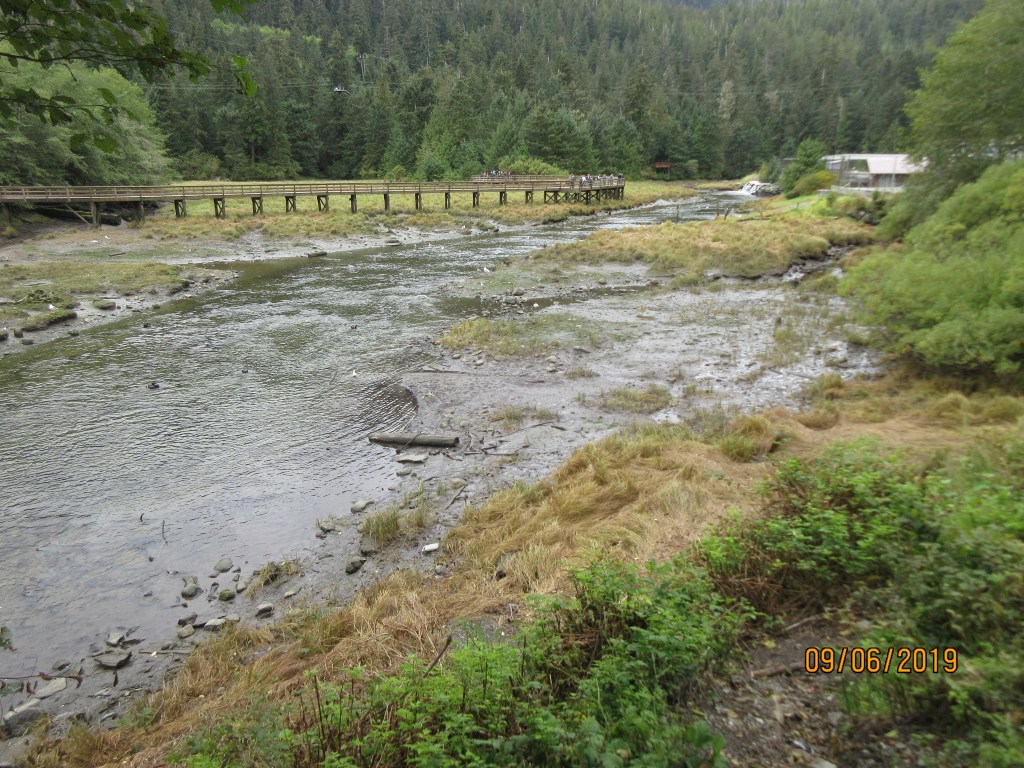
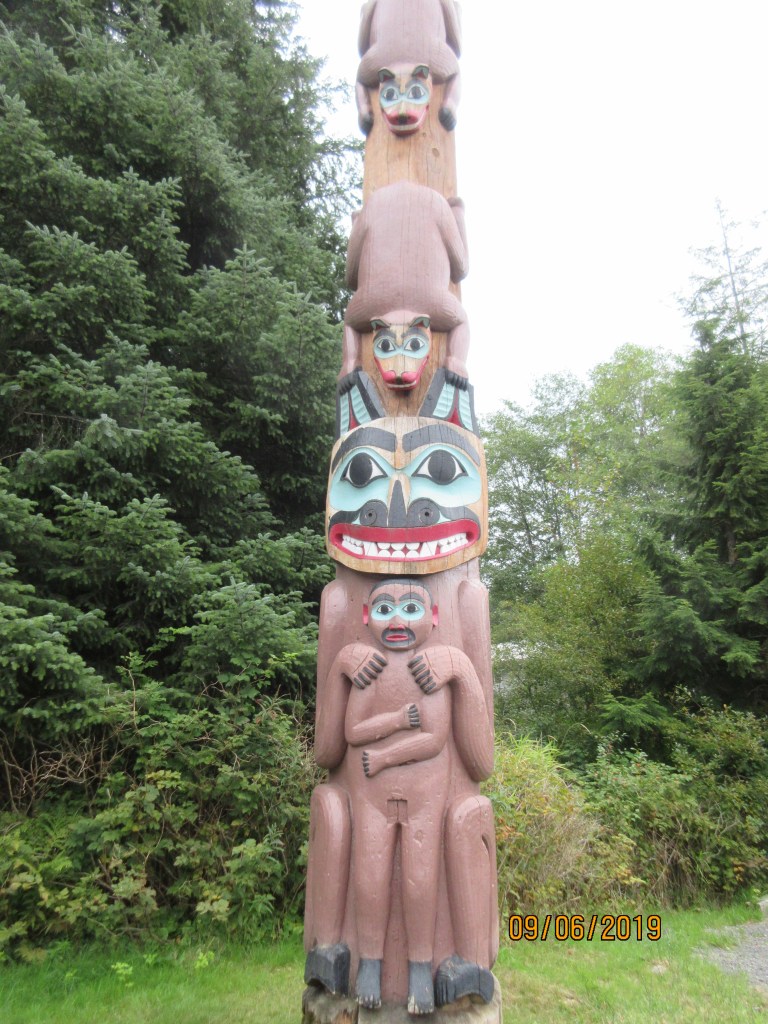

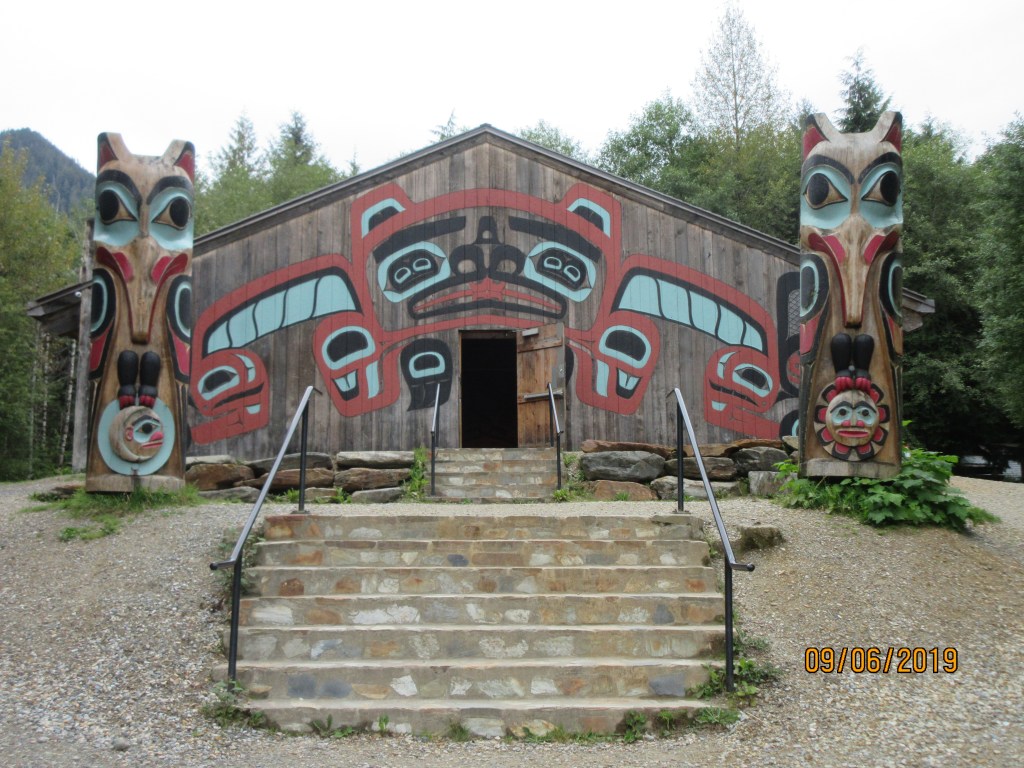


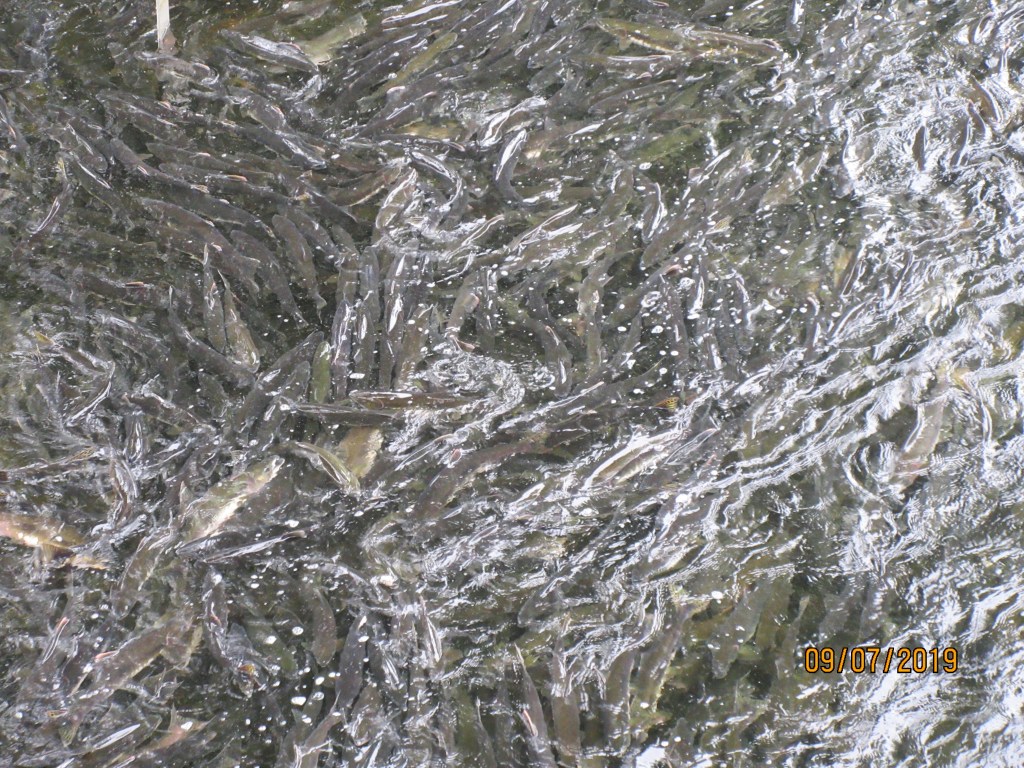





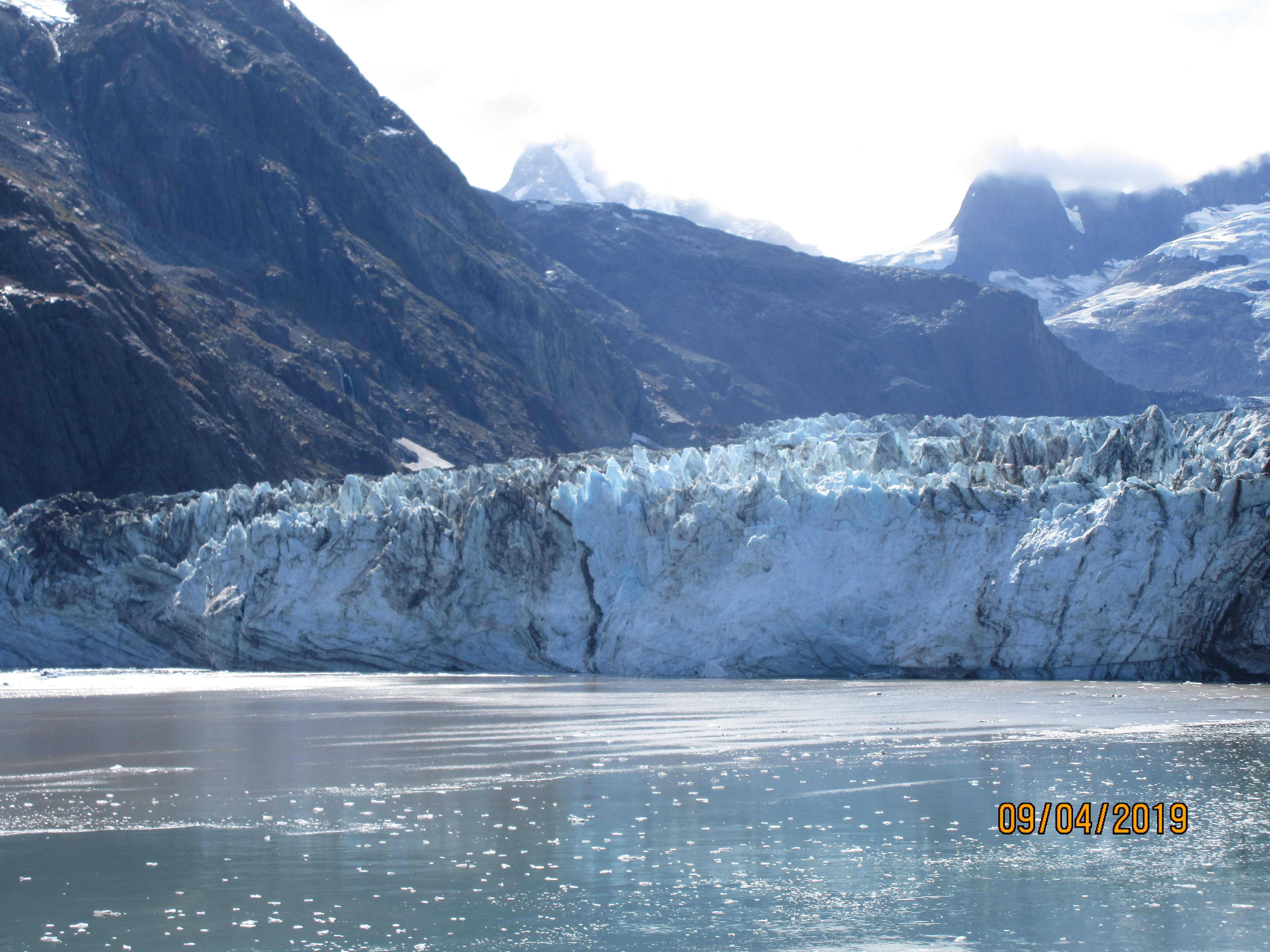


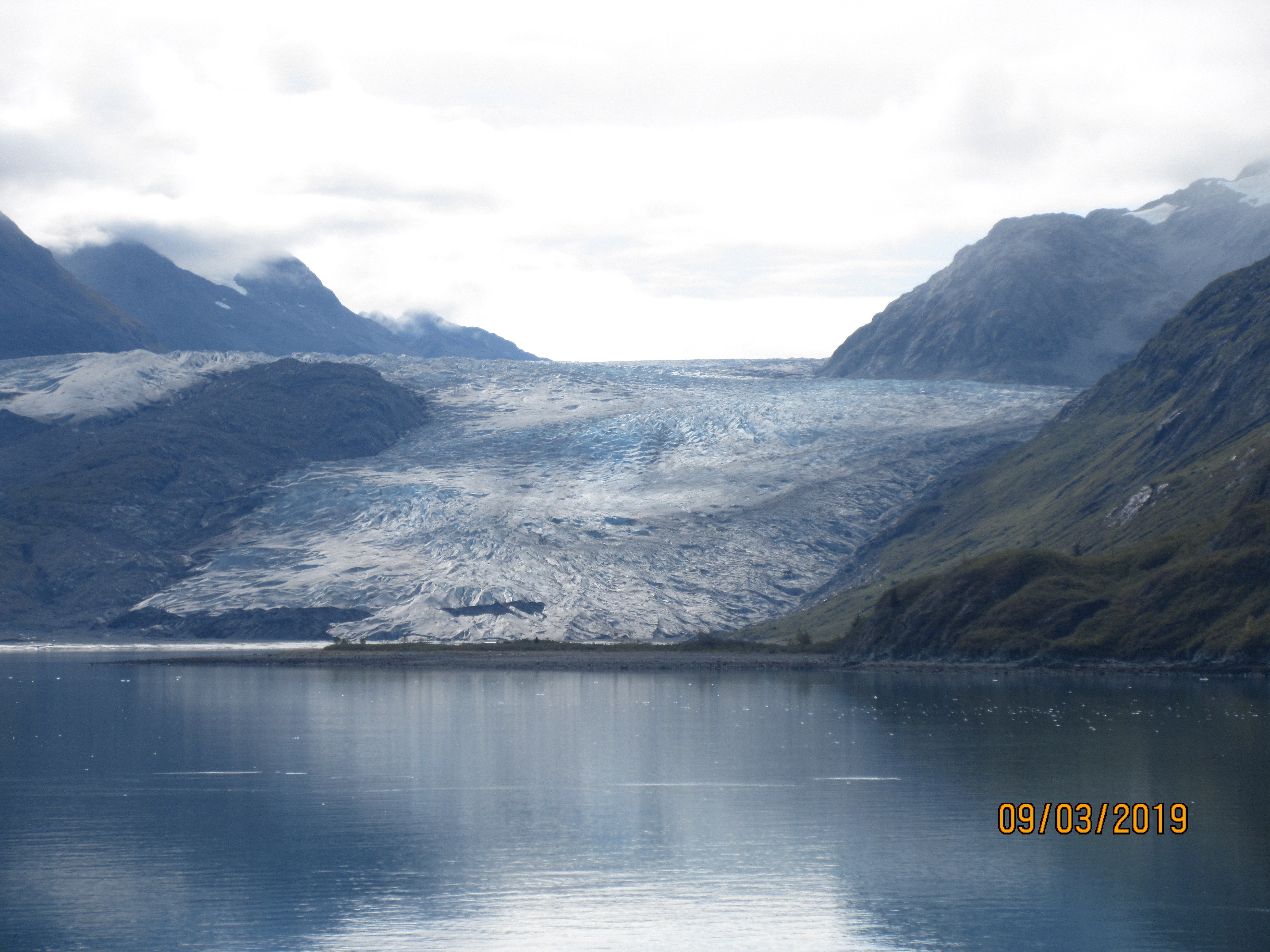

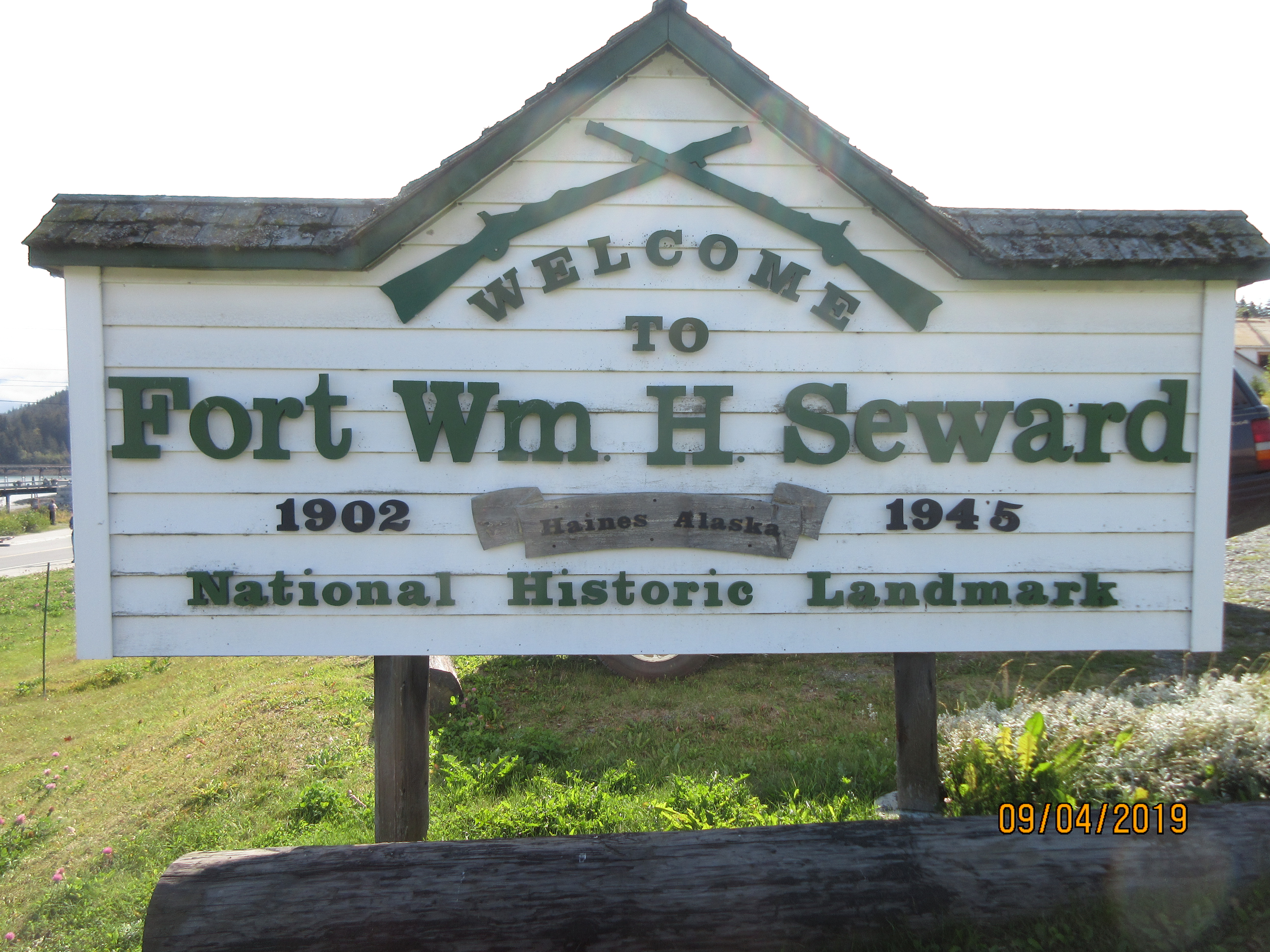


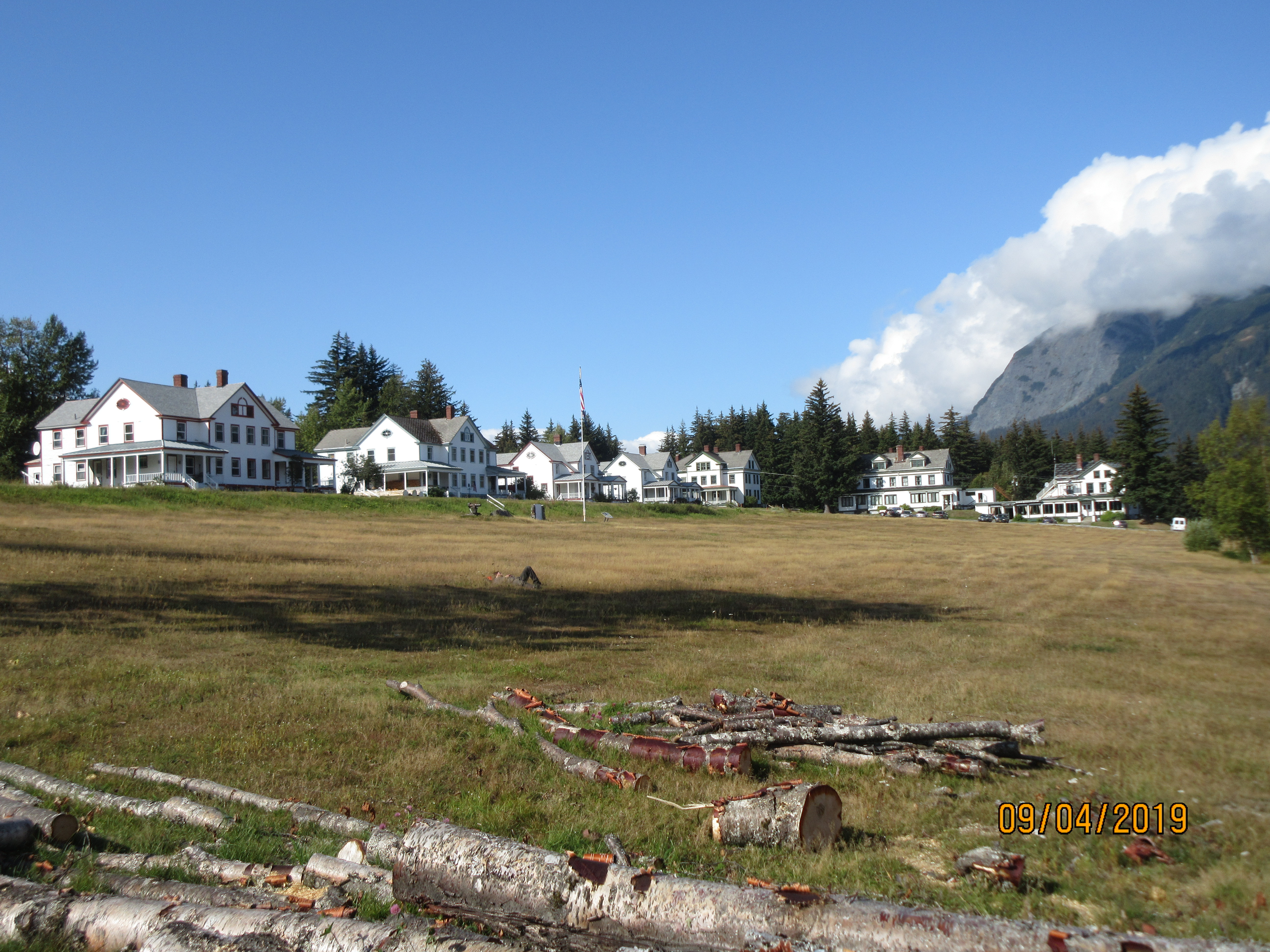


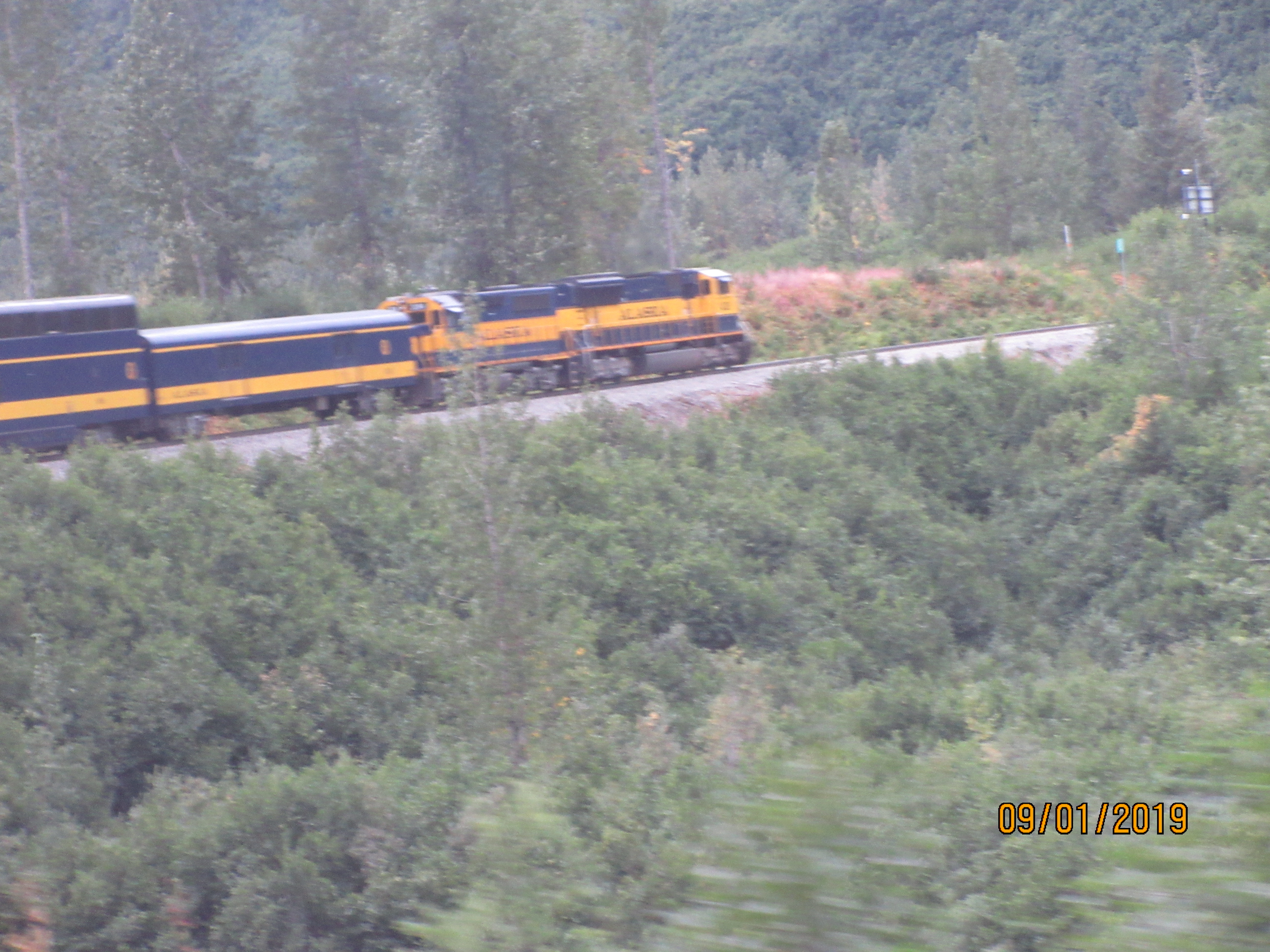
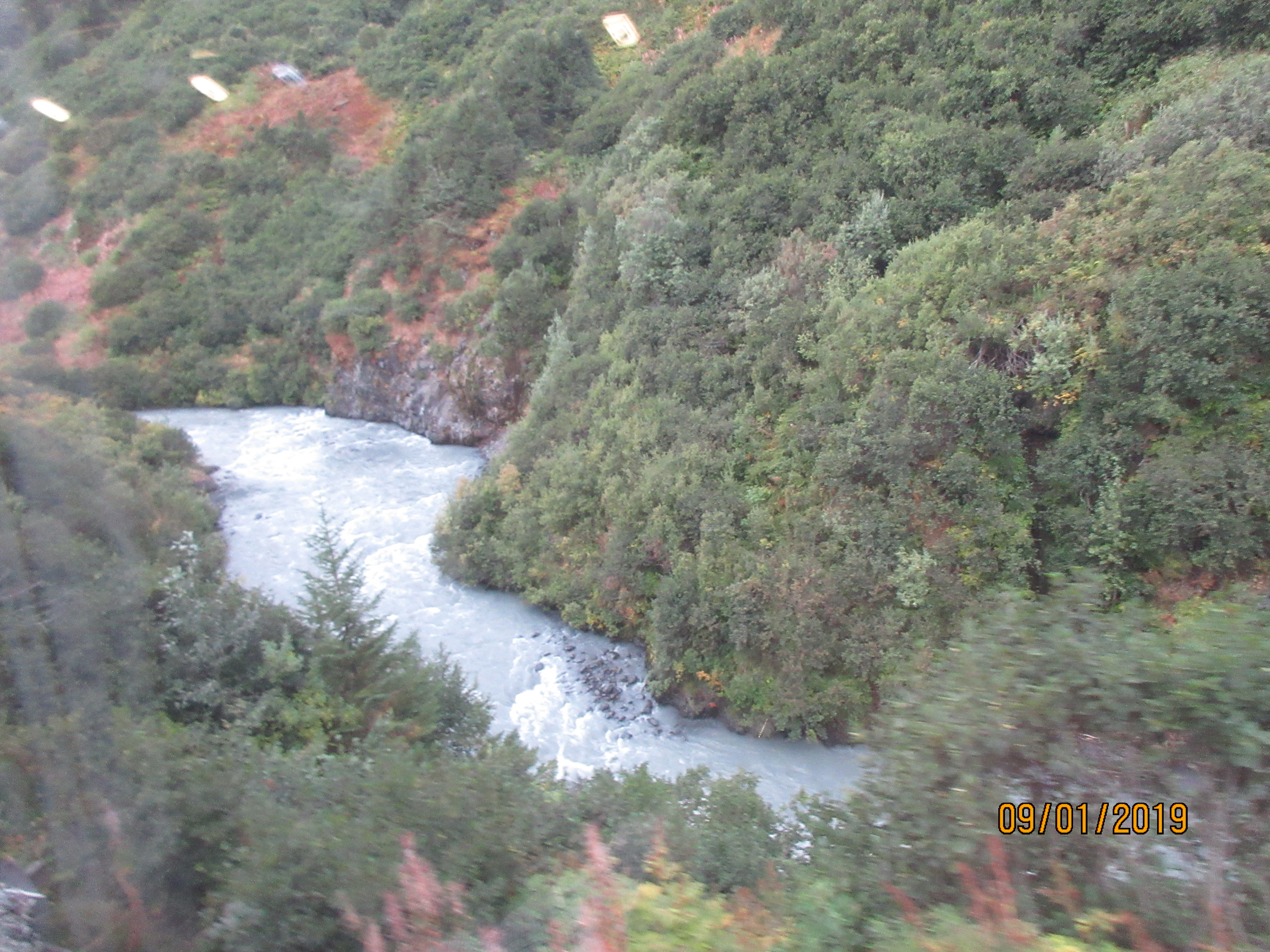
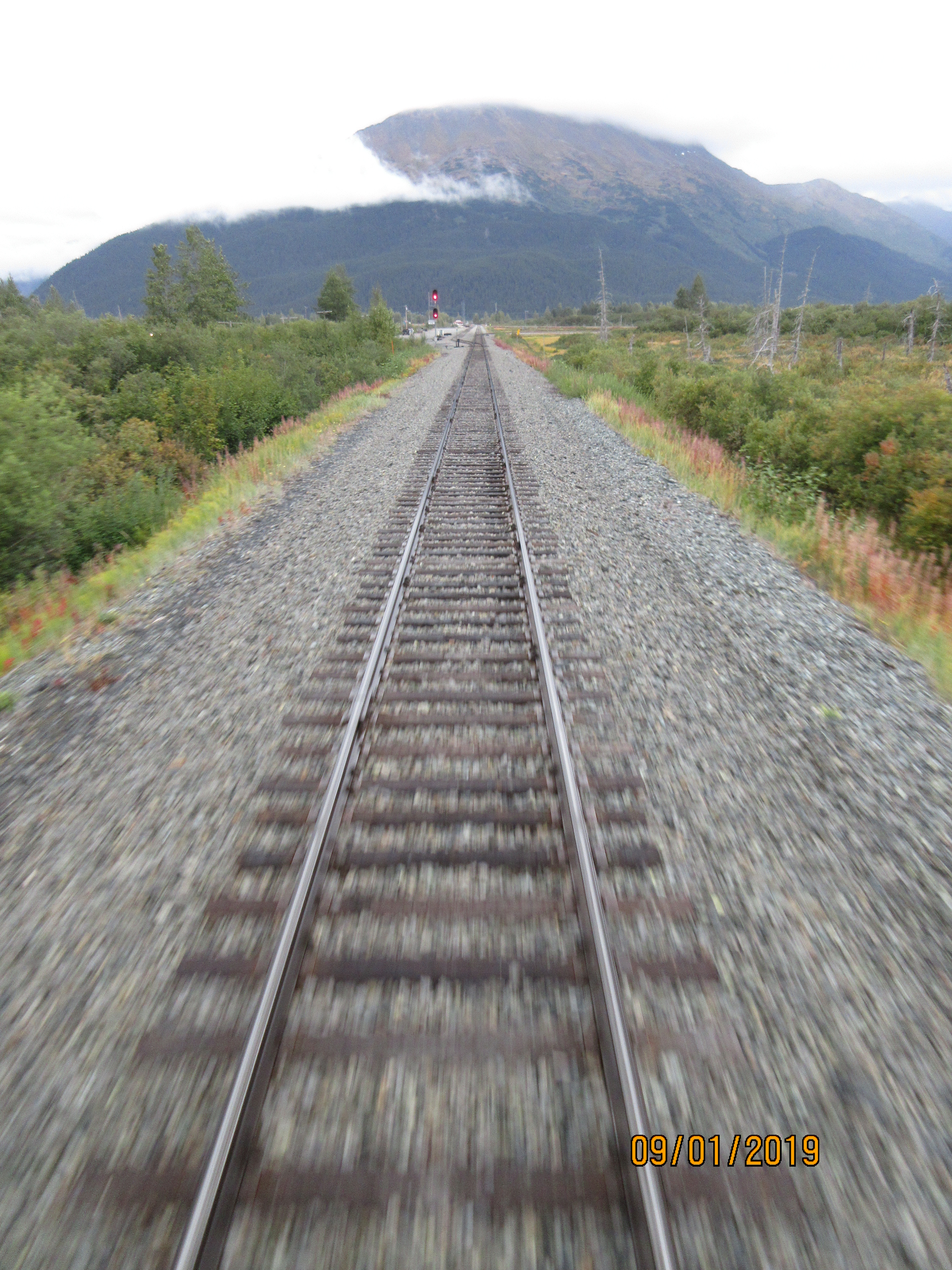
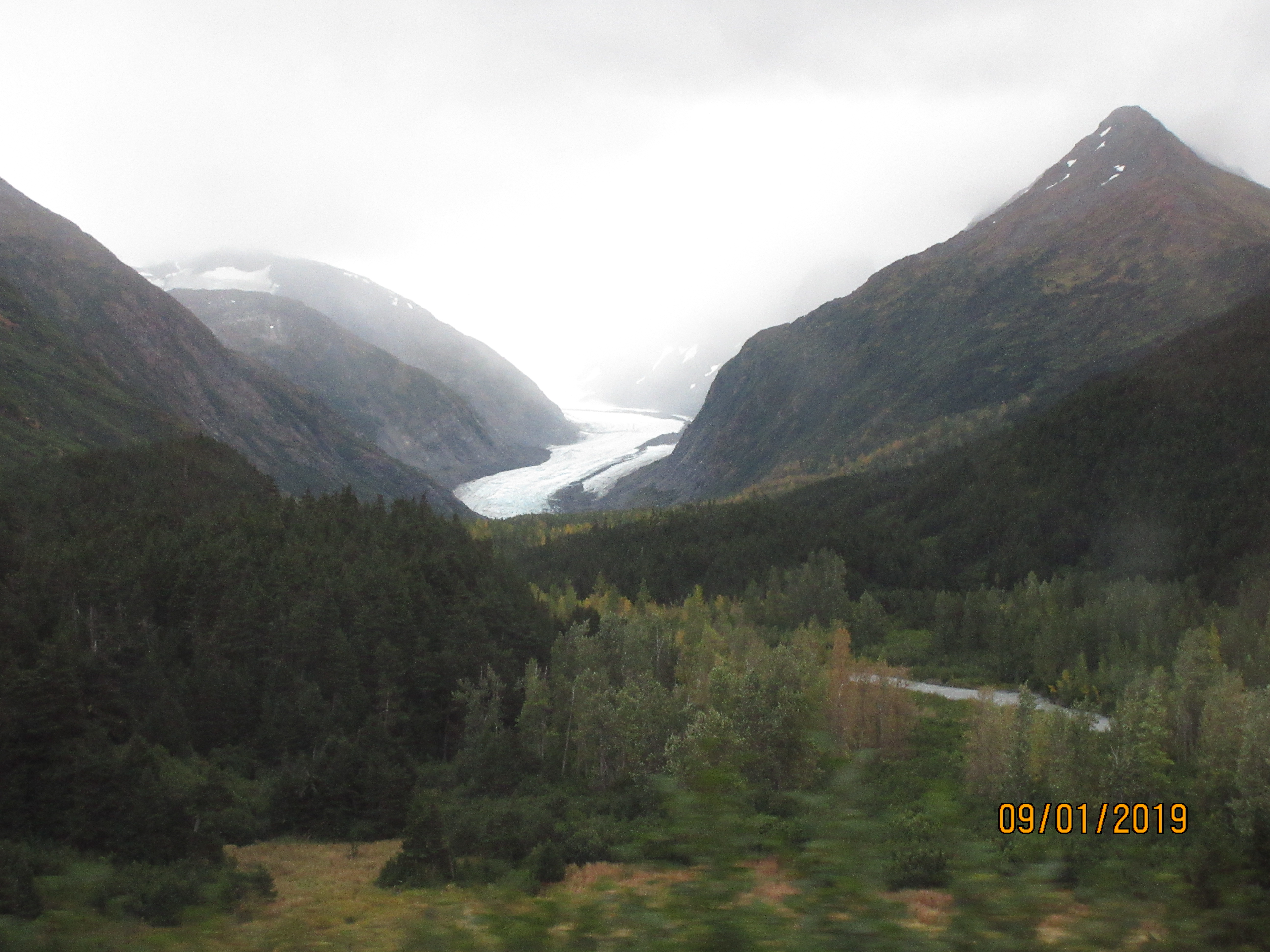
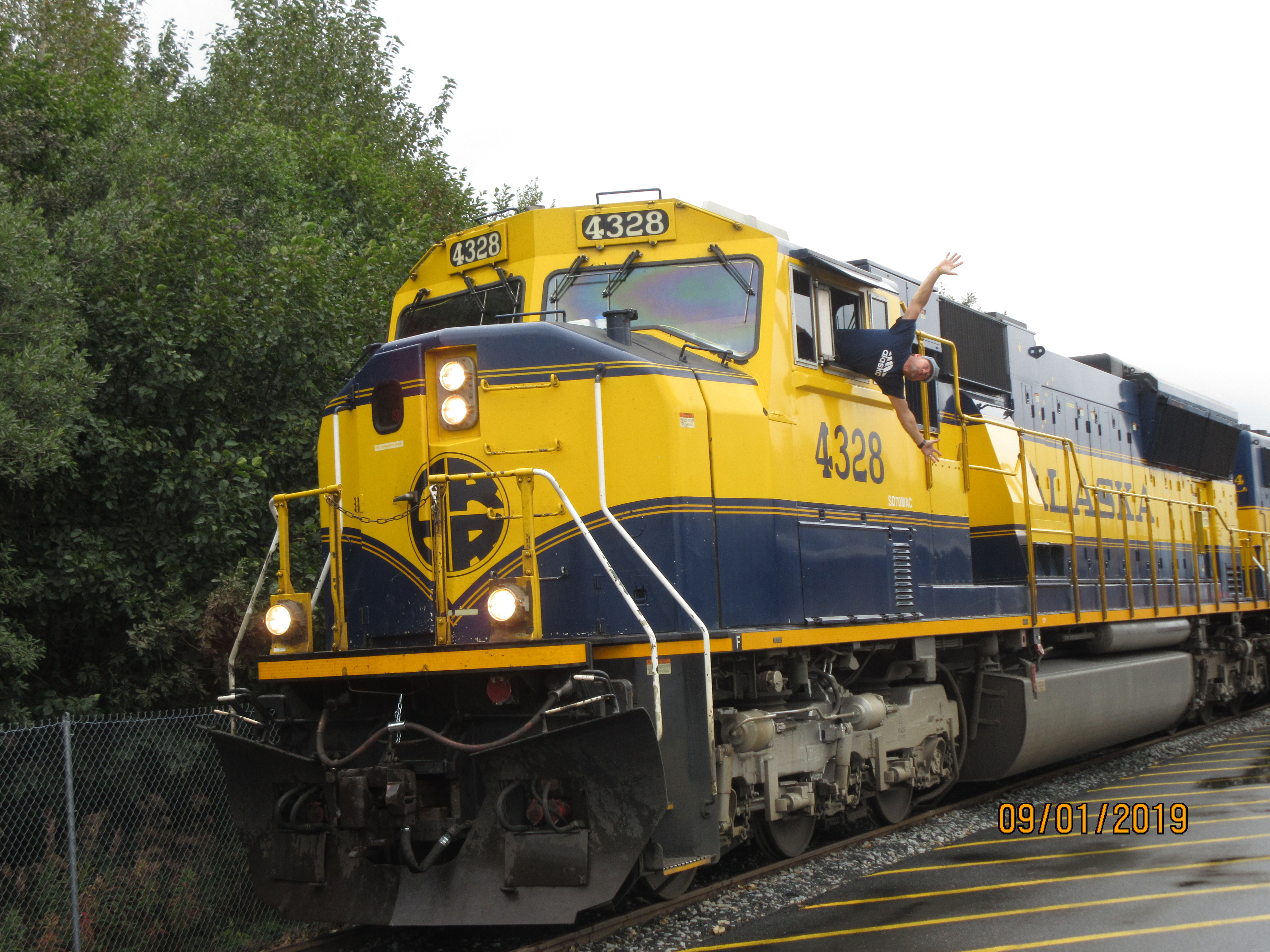
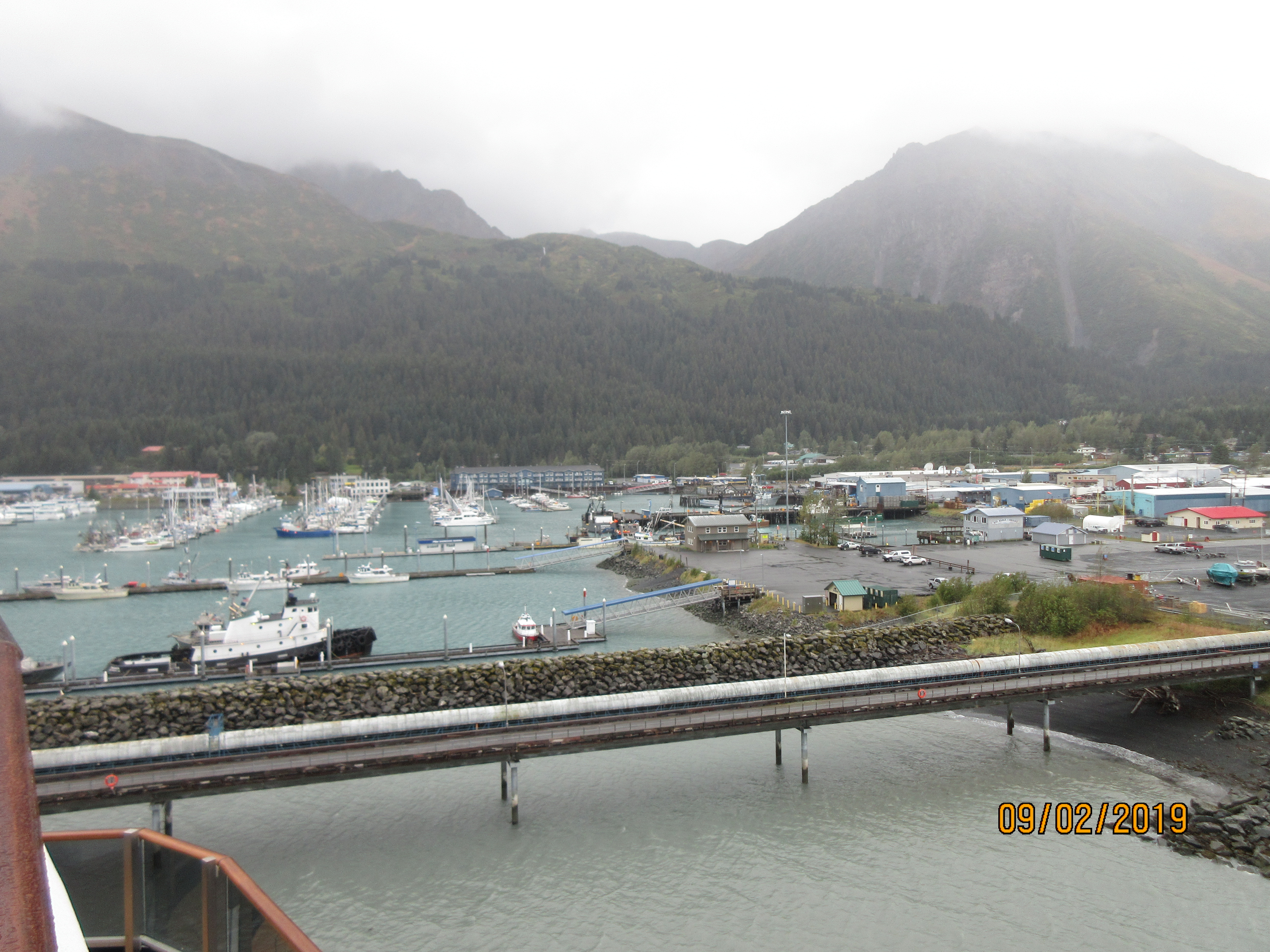
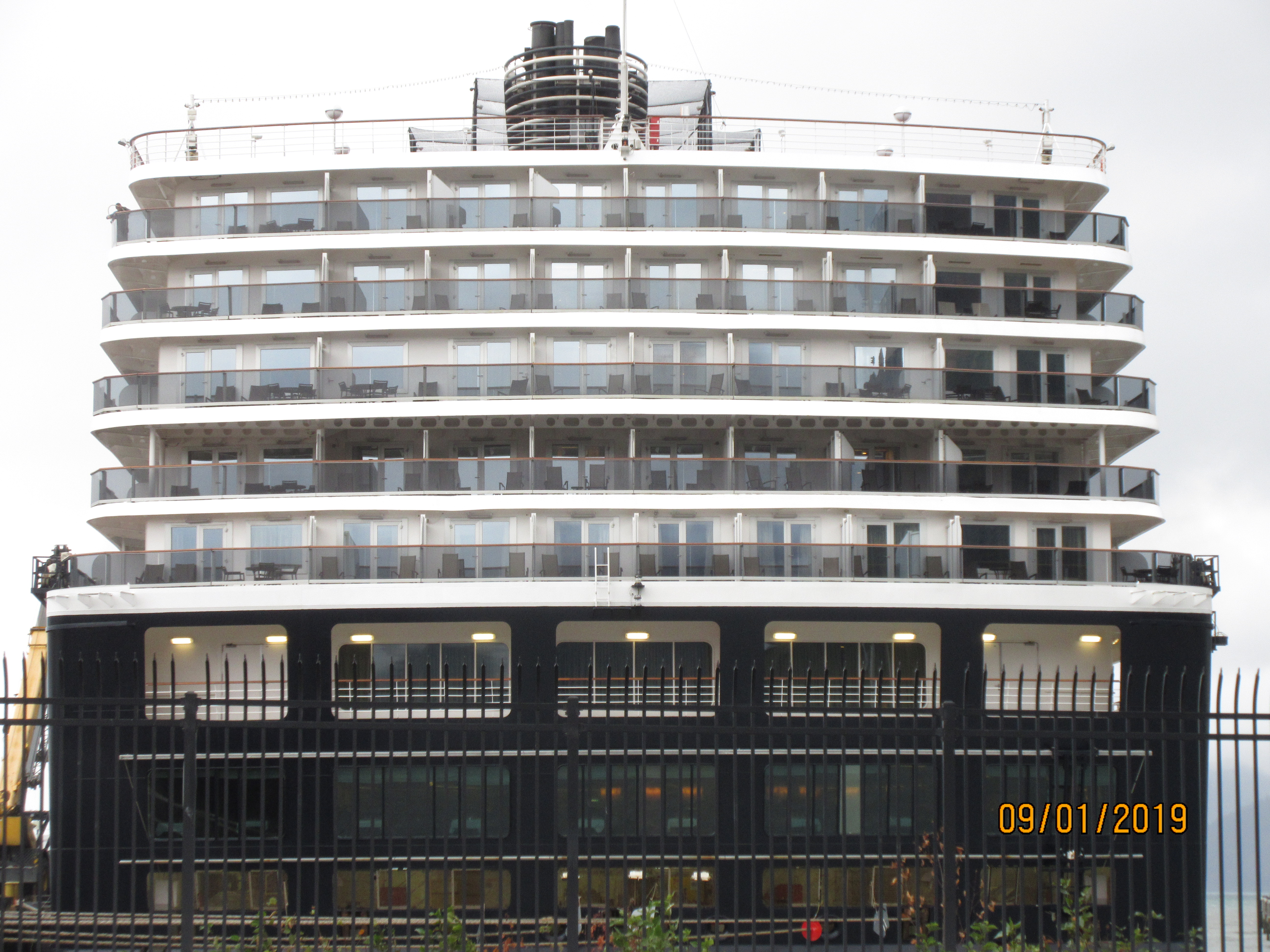
 “Alaska the Last Frontier” is the catchy tag line that seems to capture visitors’ concept of Alaska well. However, Marie coming from Newfoundland and Dave having lived in Vancouver, remained a bit skeptical at first.








 mattersofthemoment