Monthly Archives: April 2026

Silence

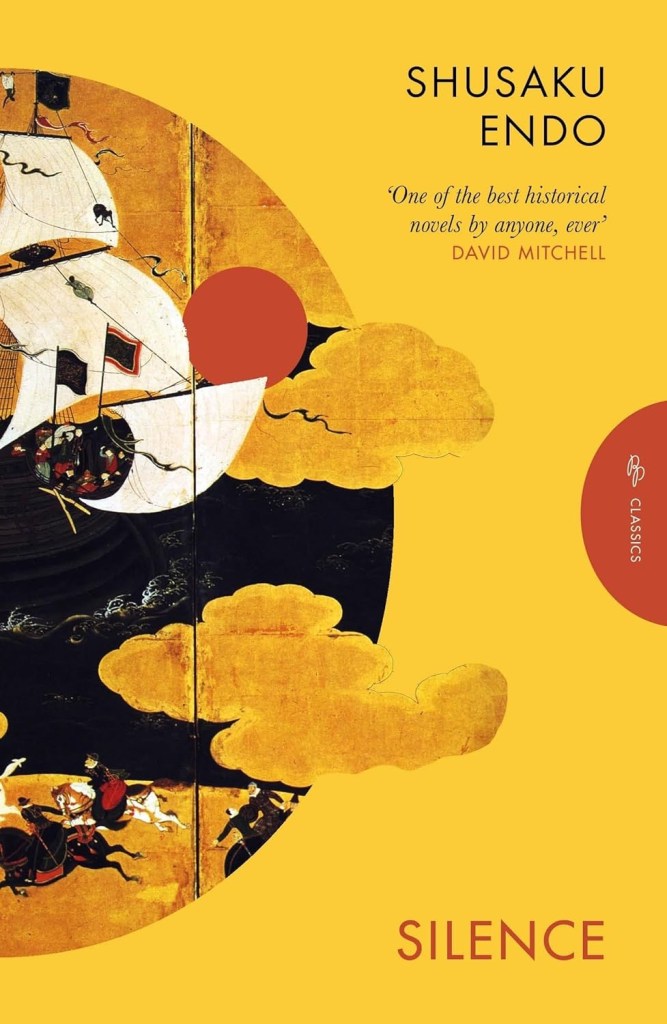
This 1966 book by Japanese author Shusako Endo reads like a theological thriller. It tells a very graphic story of two Jesuit priests who go to Japan in 1640 in search of their former teacher and superior who has apparently apostatized and disappeared. Christianity was banned in Japan from 1614 to 1853. They will be at extreme personal risk should they go there.

And of course they go and are caught after a Judas type figure they had befriended turns them in. They are locked up after ministering to local Catholics who were worshiping in secret ever since St. Francis Xavier landed there in 1549. The story explains in graphic detail how these poor Christian peasants were tortured unless they would apostatize. They were told to stomp on a fumie, a small image of Christ or Mary set on the ground, and to say that they renounce the faith. If they refused to do this, torture usually until death would follow.
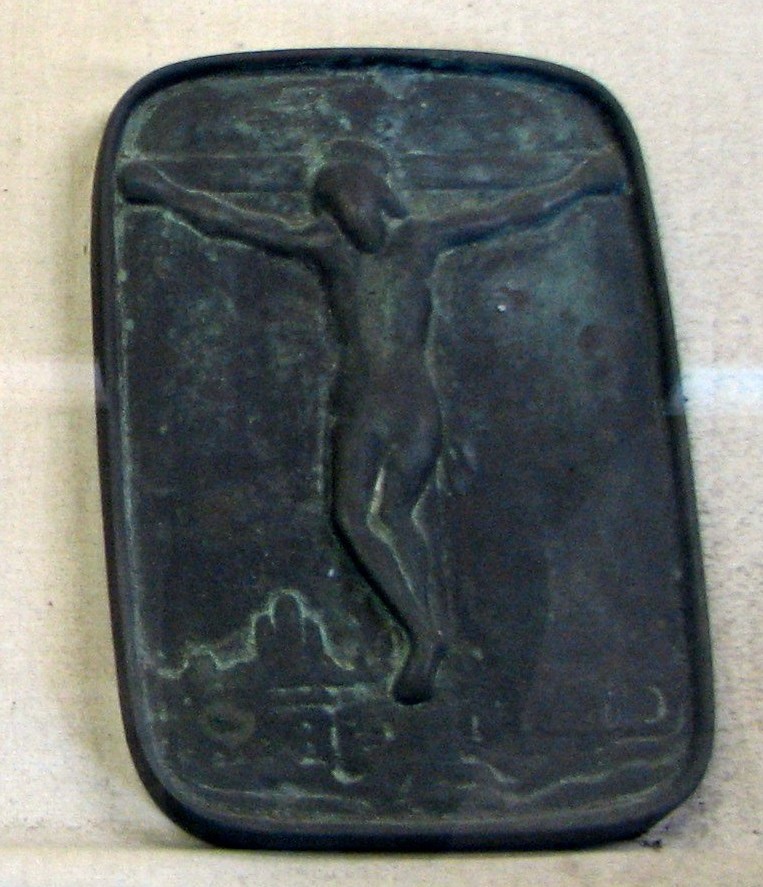
A fumie

One of the priests dies along the way and the other eventually meets up with the apostatized former superior. Initially full of disdain for him thinking that he had apostatized to avoid suffering, he is more determined than ever that he himself will never do the same and instead will die a martyr’s death.
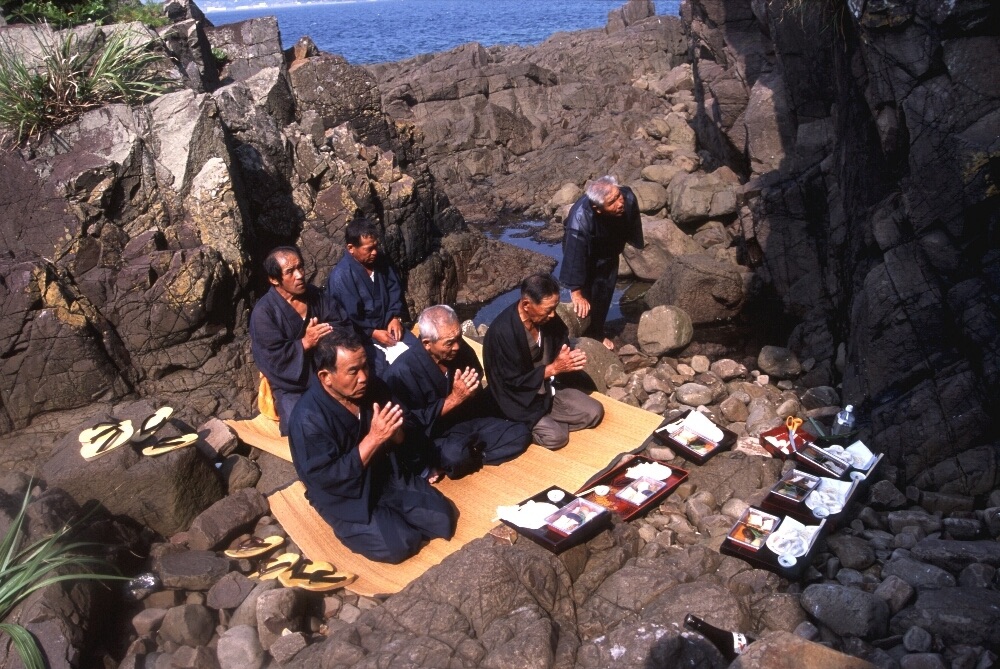
However, he is put into an moral and theological dilemma by the crafty authorities. I will not tell you the details or how it ends. The principal question Endo explores is where is God when innocent people suffer and secondly, what does faith mean when God is silent.

Among the most difficult of questions to answer in the Christian faith. Endo leaves us with the notion that even though God does not intervene to change outcomes, He still maybe present in compassion, weakness and endurance. And furthermore, mercy trumps faith in our lived experience.
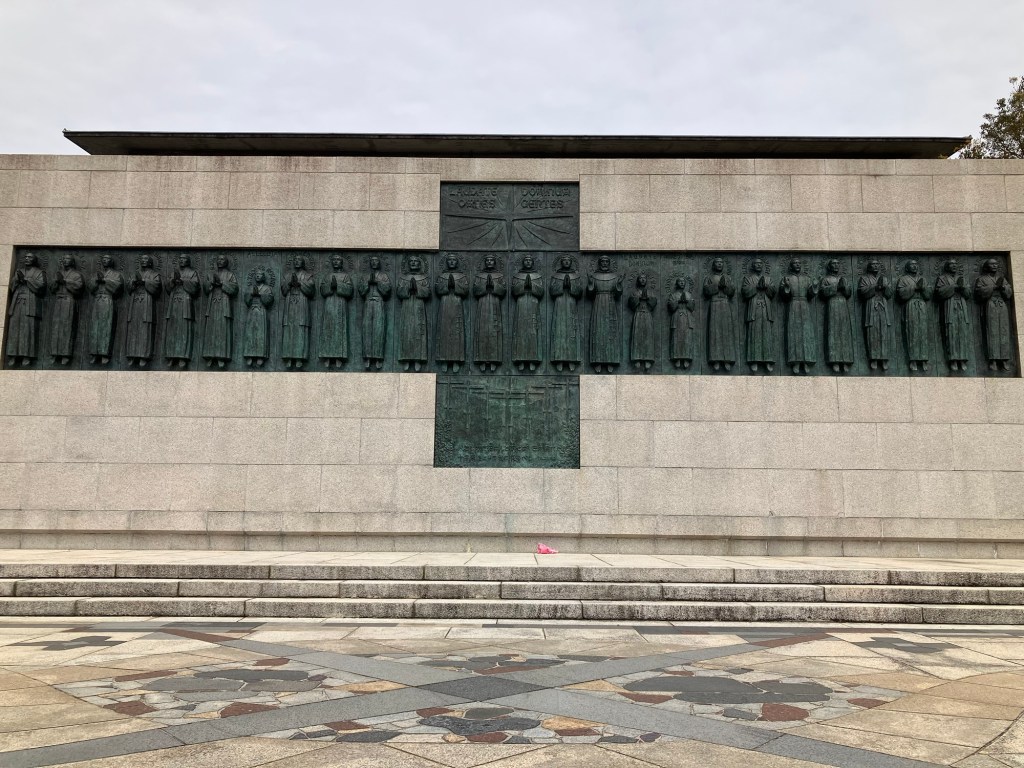
Monument to the 26 Christian Martyrs killed in Nagaski in 1597

Extremely controversial, Pope Francis recommended the novel as a serious exploration of faith under extreme human suffering. I rate this book 10/10. A must read for serious Catholics. There is also a 2016 Martin Scorsese motion picture of the same name that I would love to see sometime.

When Emperor Meiji opened up Japan to the world allowing Christianity in 1853, the returning missionaries found a large number of Christians still worshipping in secret there after nearly 250 years!
Leave a comment

Filed under Uncategorized

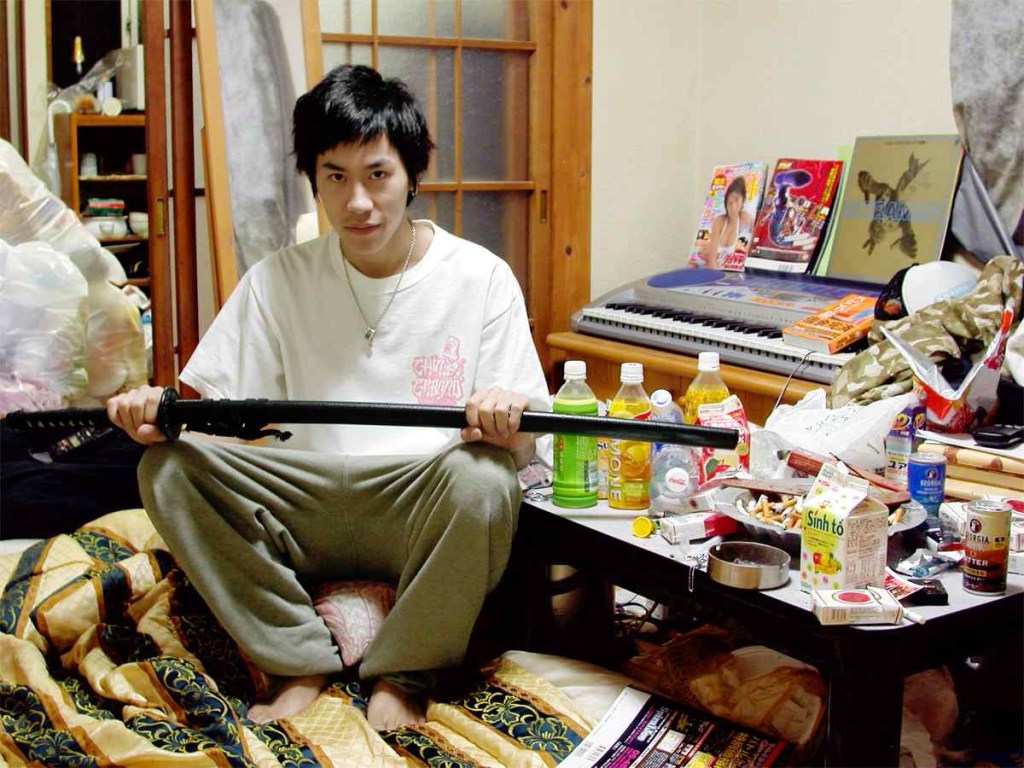
Japan’s Hikikomori Problem

“Japan is becoming a society where harmony comes less from tradition now and more from shared intention.” Will it be fast enough to heal some serious social problems?

For us, visiting Japan was like the icing on the cake of life long travel. Having visited 60 countries including every province in Canada and state in the U.S., we found Japan to be downright amazing. Never colonized, it exhibits a harmonious culture that honours its roots and practices historical rituals. Japan has a lot to teach us about cherishing our collective past instead of making “we vs. them” judgments.

和 (wa). Pronounced wah, refers to harmony, peace, balance, and also the traditional Japanese spirit of social unity. 調和 (chōwa). Pronounced choh-wah means “harmonization” or “being in balance,” often used for things like colours, elements, societies, or ideas being in harmony. This is Japan’s social philosophy.

However, Japan is not without its unique social problems. Hikikomori is extreme social withdrawl of a person caused by pressure, shame, fear of failure and lack of an escape route. Expectations of social harmony can cause a Japanese (or any) person to feel totally out of place. Consequently a million or more Japanese have retreated to their bedroom to avoid all social interaction other than with family.

Japanese cultural values mean that these families do not confront or force a withdrawn family member to change. Instead, parents will continue to provide meals and accommodation for years hoping that the person will eventually change. Many of the so called hikikomori are now in their 40s or 50s! It’s known as Japan’s “8050” problem: parents in their 80s caring for children in their 50s who never reintegrated.

In chatting with some Tokyo residents, we were also told that many workers in Tokyo are extremely stressed out and not happy. They are constantly being asked for more and more by their employers. Work life balance ironically enough seems non-existent there. On the other hand, suicide deaths (mostly among middle-aged and older adults but also some youth) are trending downward due to strong prevention efforts. However, the numbers remain higher than in many other high-income nations. 

Shibuya Crossing in Tokyo

So will Japanese society be able to change fast enough to contain and resolve such social ills? Not likely according to some. Japan has a history of changing its culture incrementally. Rather than solve any deeply rooted social problem, it is likely to build support systems to help alleviate the pain.

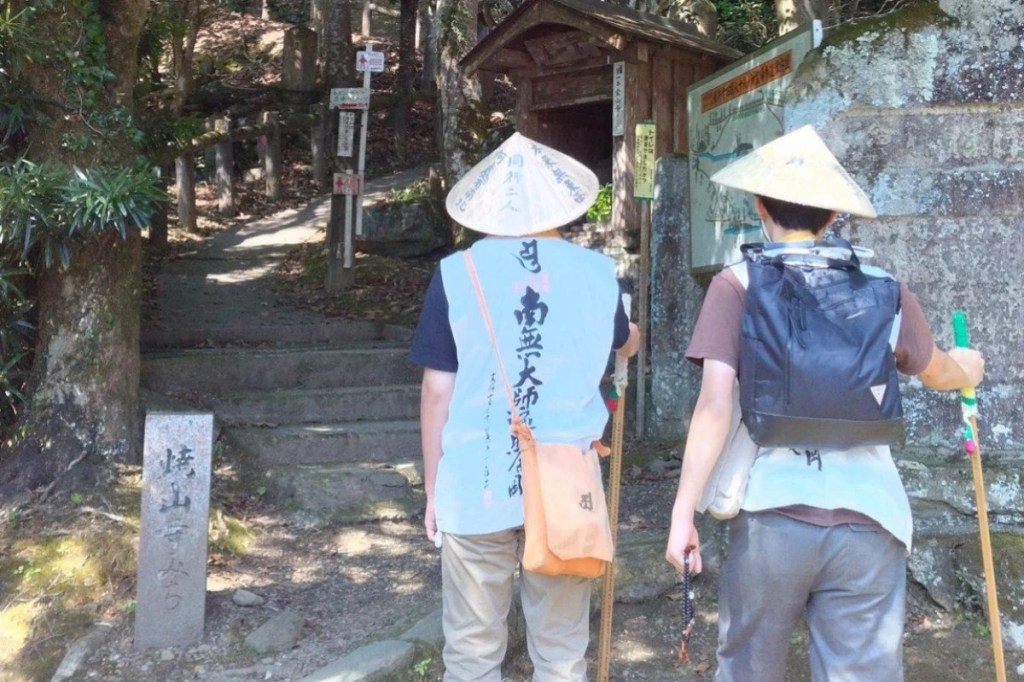
Hiking projects that help hikikomori to reintegrate

Leave a comment

Filed under Uncategorized

The Swamp of Japan

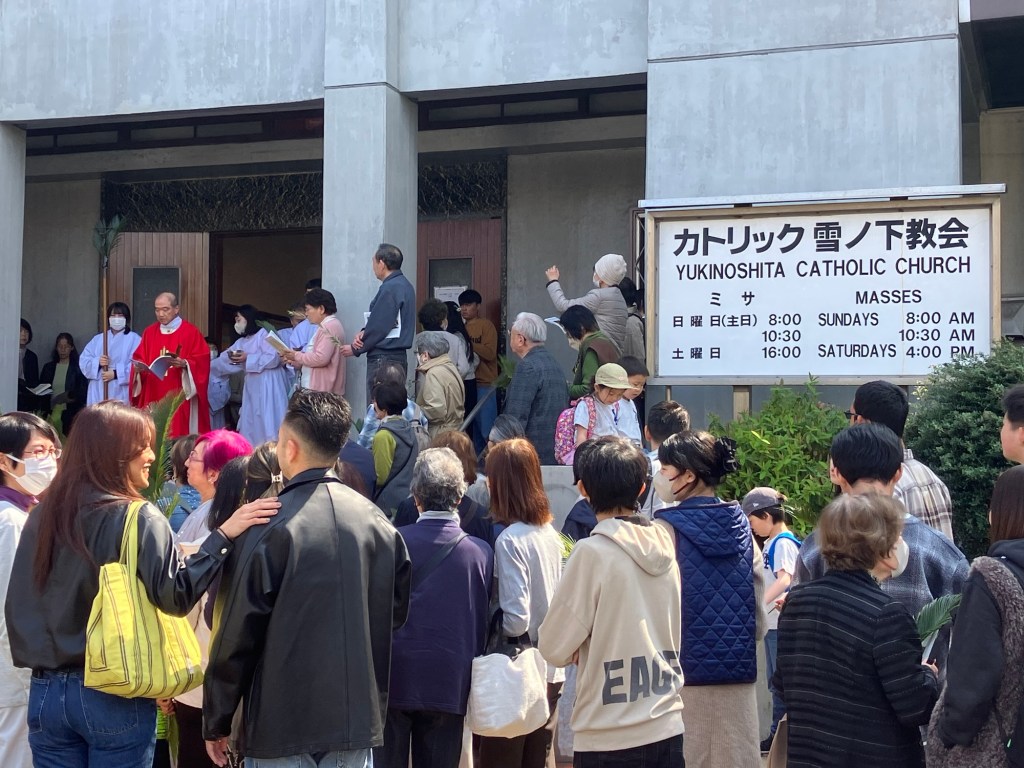
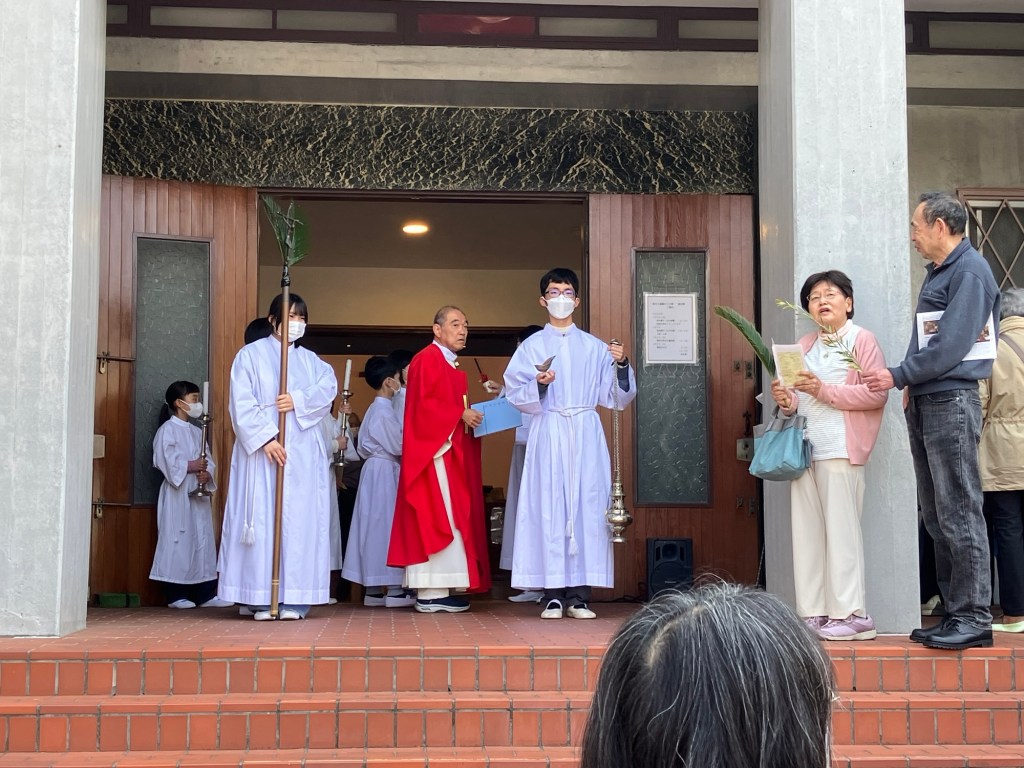
On our way to Mass

What we noticed that was different in the Palm Sunday Mass we attended at Yukinoshita Catholic Church in Kamakura Japan was:

  • parishioners did not say the Lords Prayer together
  • their was no kneeling
  • the priest handed out the Eucharist alone with no (lay) assistance
  • there was not a lot of the sign if the cross until the final blessing
  • Instead people bow towards each other
  • people took the Eucharist in their hand and none did on the tongue
  • the singing was particularly good
  • the wafer was double the size of what we are used to
  • the priest did not say goodbye to folks at the door as we exited

What we did not realize at the time is how rare Roman Catholicism is in Japan: 0.5%, one of the smallest Catholic communities in the world. It was thus a privilege for us to attend.

What the swamp of Japan means is that when Japan absorbs western ideas, it twists and transforms them into something more Japanese in nature, culturally or theologically. In this case theologically: shades of Buddhist and Shinto rituals are evident in the Japanese Mass.

Japanese culture traditionally emphasizes:

  • shame over guilt
  • harmony over individual conscience
  • community before self

This changes how Catholic teaching is understood here. Confession tends to be less psychological, more formal. The emphasis is often on not disturbing social harmony rather than internal moral crisis.

Very interesting. This is something Shusako Endō explores in his 1966 book Silence which Martin Scorsese made into a 2016 motion picture film.

The metaphor of Japan as swamp means it’s easy to get sucked in and hard to get out. People use “沼” (numa) to describe any hobby that becomes an obsession (anime, J-pop, idols, games, manga, figure collecting, etc.). Japan, with its huge pop-culture ecosystem, is jokingly called a “swamp” that traps you.”

So watch one anime → you get hooked. Buy one figure → suddenly you collect ten. Visit Japan once → you keep going back

This is playful internet slang, not an insult. And it’s very true.

Back on the street

Leave a comment

Filed under Uncategorized

What is Japan Like to Visit?

Fushimi Inari Shinto Shrine in Kyoto

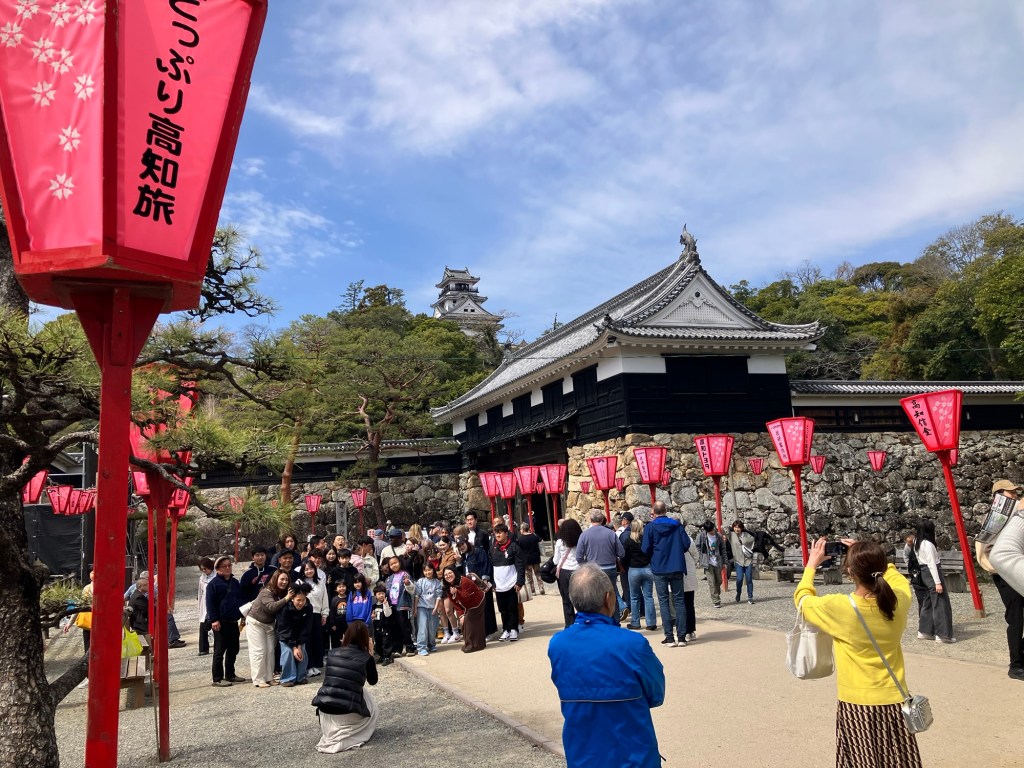
We are just returning from a 19 day trip to Japan mostly by cruise ship where we visited the following places: Tokyo, Yokohama, Kamakura, Osaka, Kyoto, Shimizu, Hiroshima, Nagasaki, Kagoshima, Kochi and Enoshima. Yes it was quite a trip!

Shibuya Crossing in Tokyo

It was sometimes difficult to savour Japanese cultural differences because of the background noise on the ship, eg. ra-ra spirit, loud western music, trivia contests, people talking loudly etc.), we did enjoy observing the following:

  • streets are clean beyond belief (if you ate a candy bar you had to bring the wrapper back to the ship as no public garbages pails anywhere)
  • there were no visible homeless people on the streets
  • the JR train and connected subway system is amazing, tap on tap off, go anywhere, no reservation needed
  • one eat’s out of a bowl here eg, noodles, rice etc., there were few large plates and no knives in our rented apartment
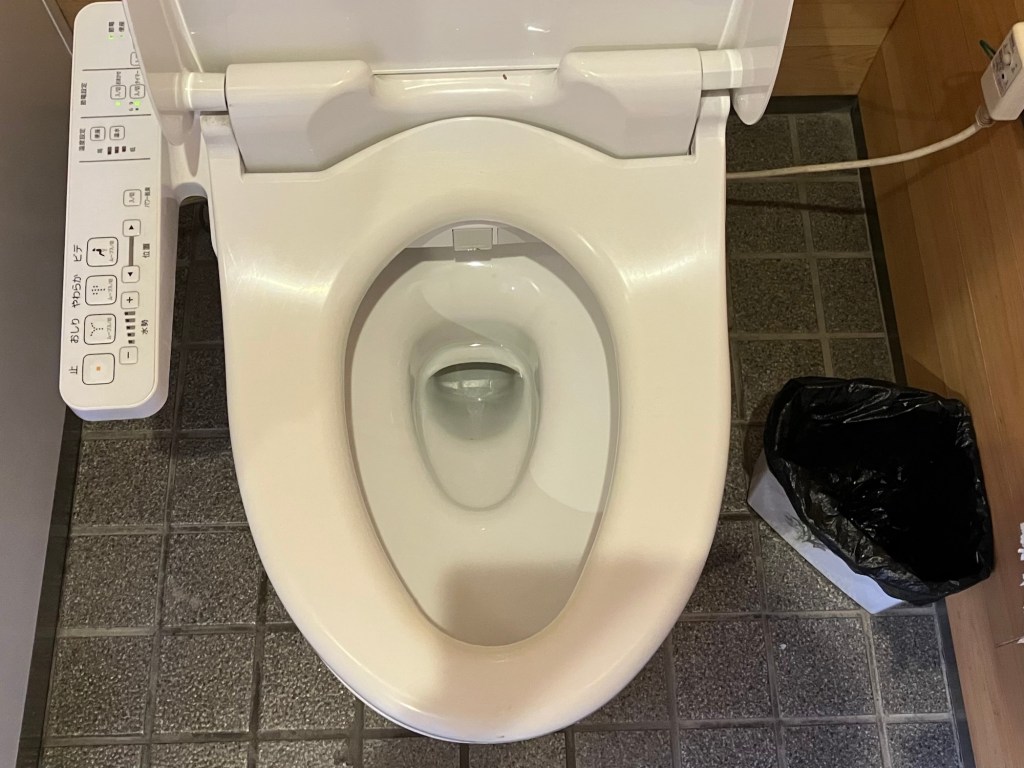
  • toilet seats are heated!
  • prices seem less than in Canada eg. Bordeaux wine for $8 a bottle
  • everyone waits for the green pedestrian signal, no one jaywalks here!
  • fish is so plentiful, so fresh and so delicious!
  • everyone is calm, no visible conflict or trouble
  • we never saw any smoking or vaping anywhere
  • low obesity rate, people are generally small and skinny
  • Japanese dress well (blue jeans, sneakers and shorts were not really in)
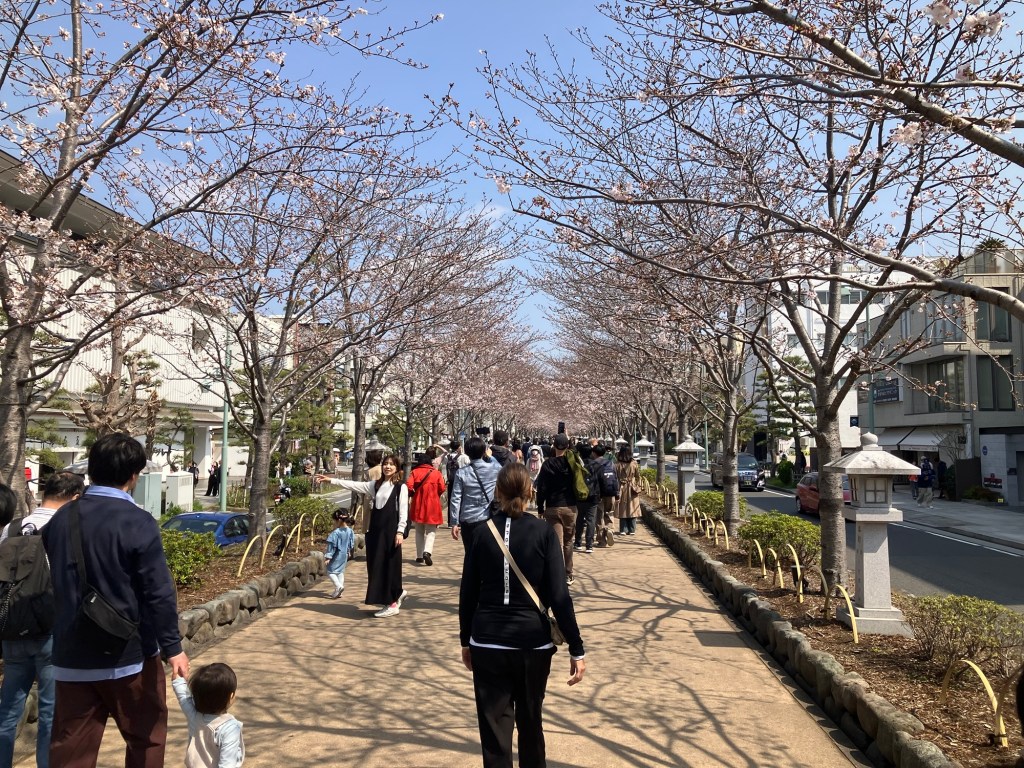
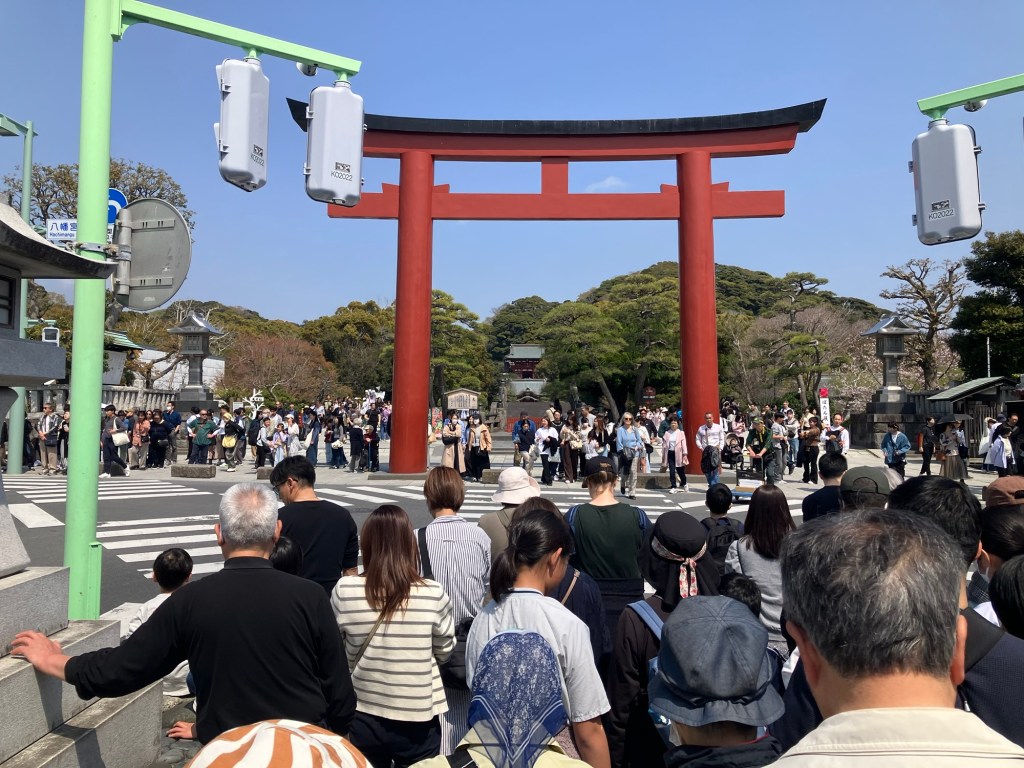
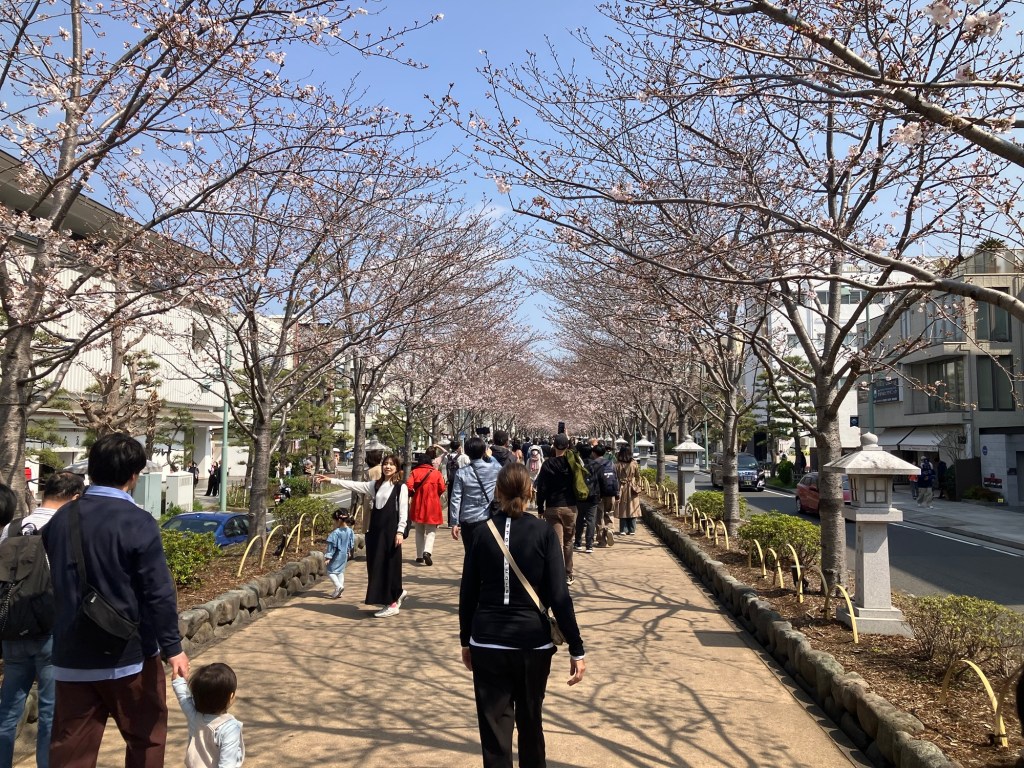
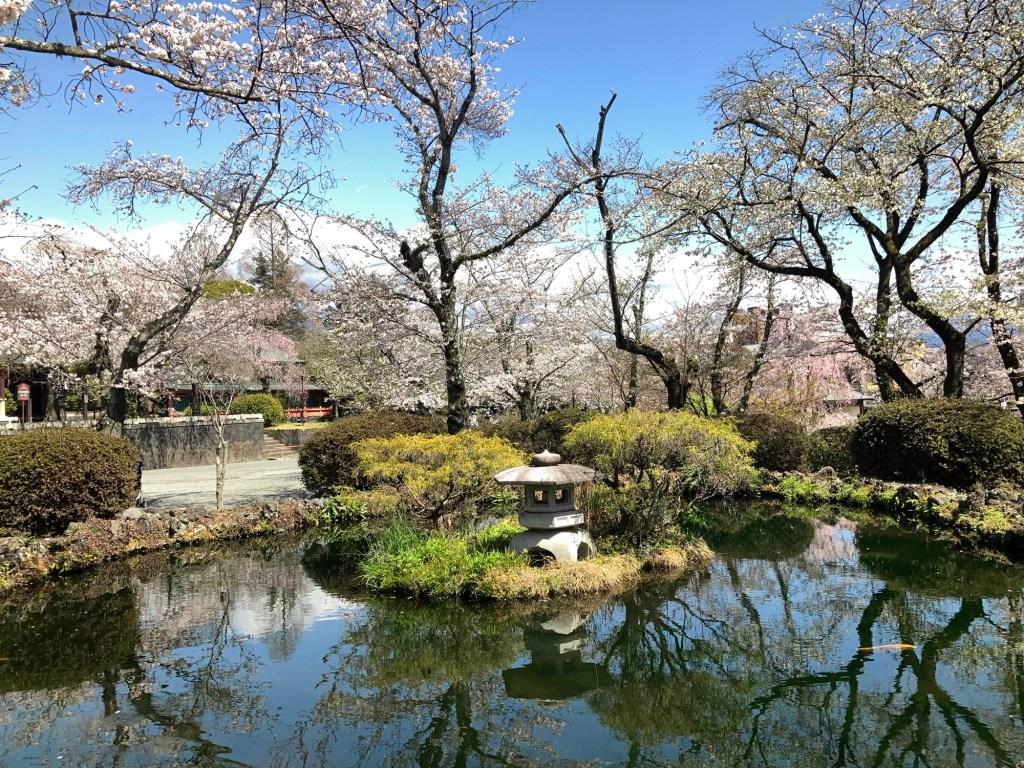
  • streets and parks very crowded during Sakura (cherry blossom time)
  • fantastic infrastructure, motorways, sidewalks, pedestrian streets, public washrooms, parks and gardens

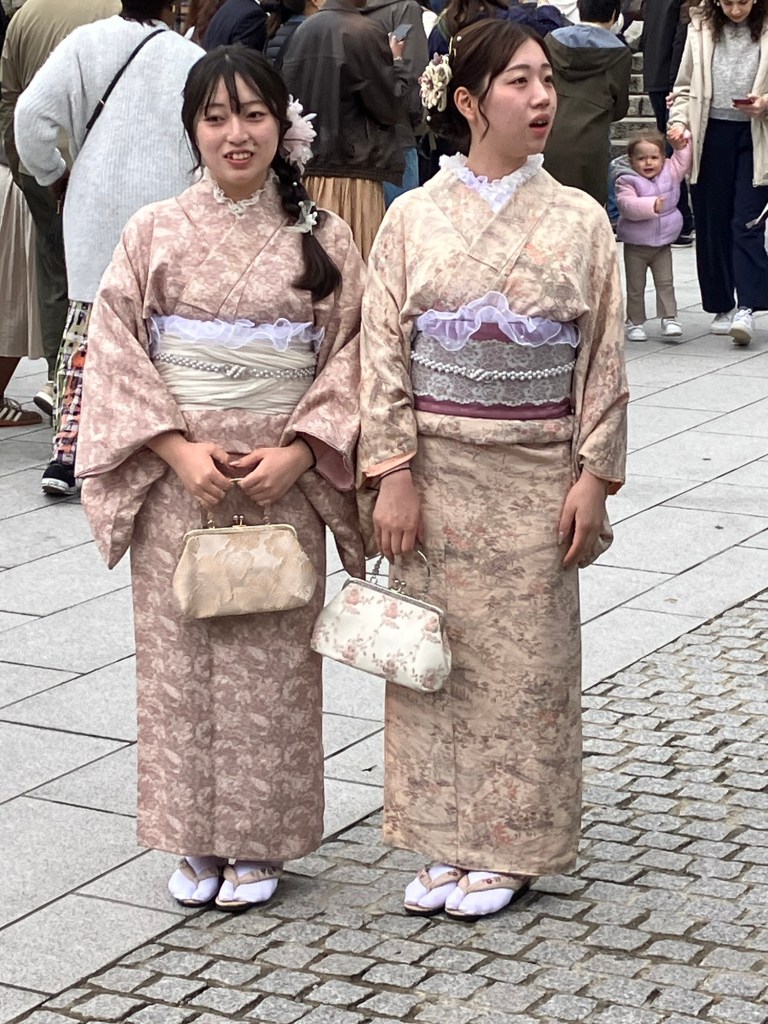
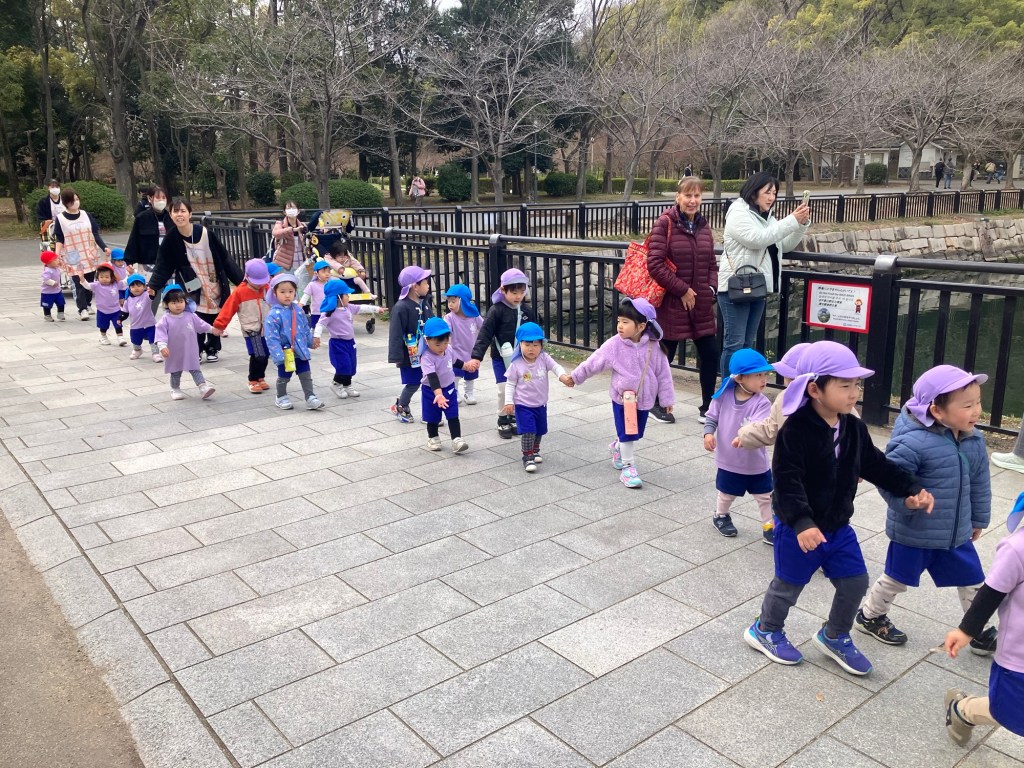
We saw hundreds of young people in beautiful school uniforms. Dozens of young couples happy and laughing. Purple, blue, green, blond hair, short skirts, faces whitened, white socks and black shoes. Beautiful young women being photographed by their family in lovely dresses in the cherry blossoms at Shinto shrines. Well dressed workers. Really cute kids with pageboy haircuts.

School Uniforms
Young Women at the Fushimi Inari Taisha
Family Gathering by Kochi Castle
Sakura in Kamakura
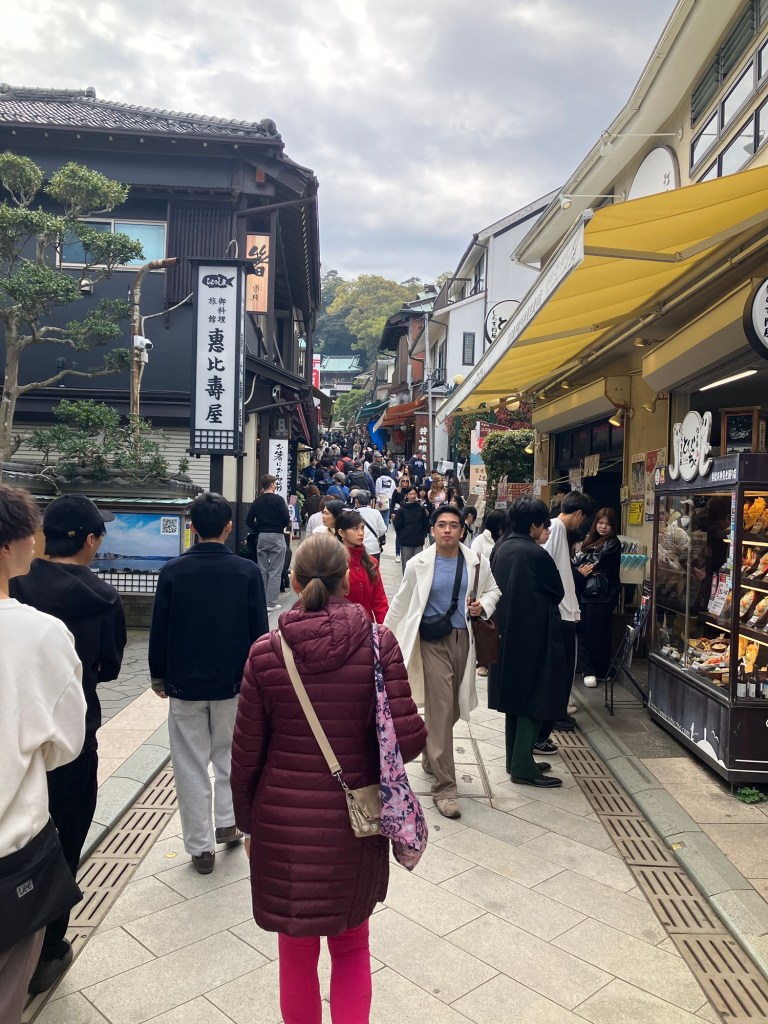
Shopping and food everywhere

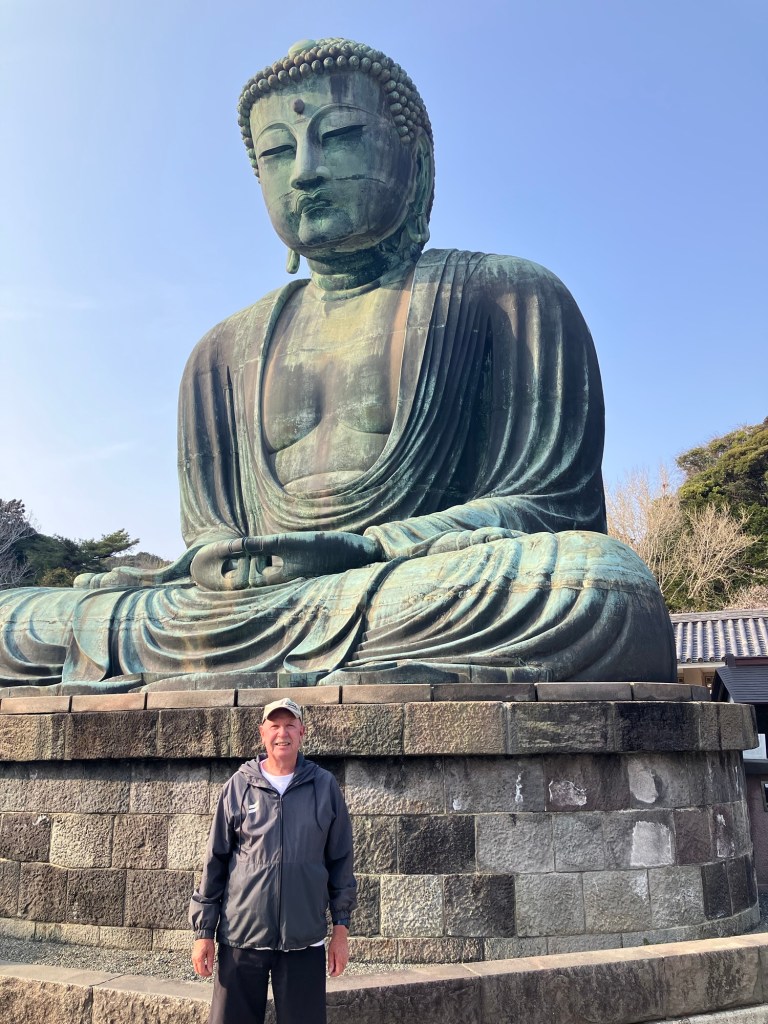
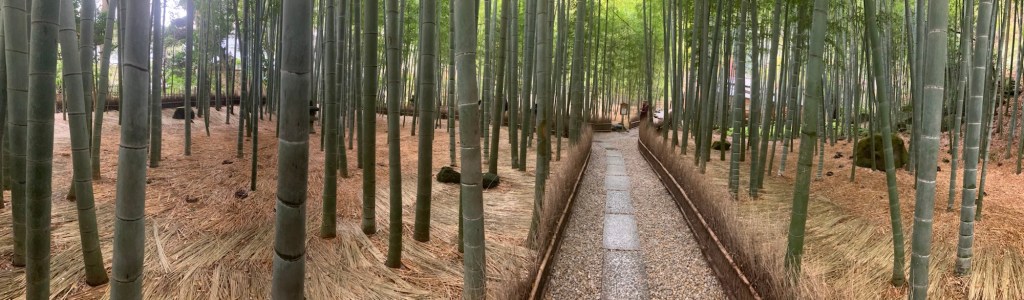
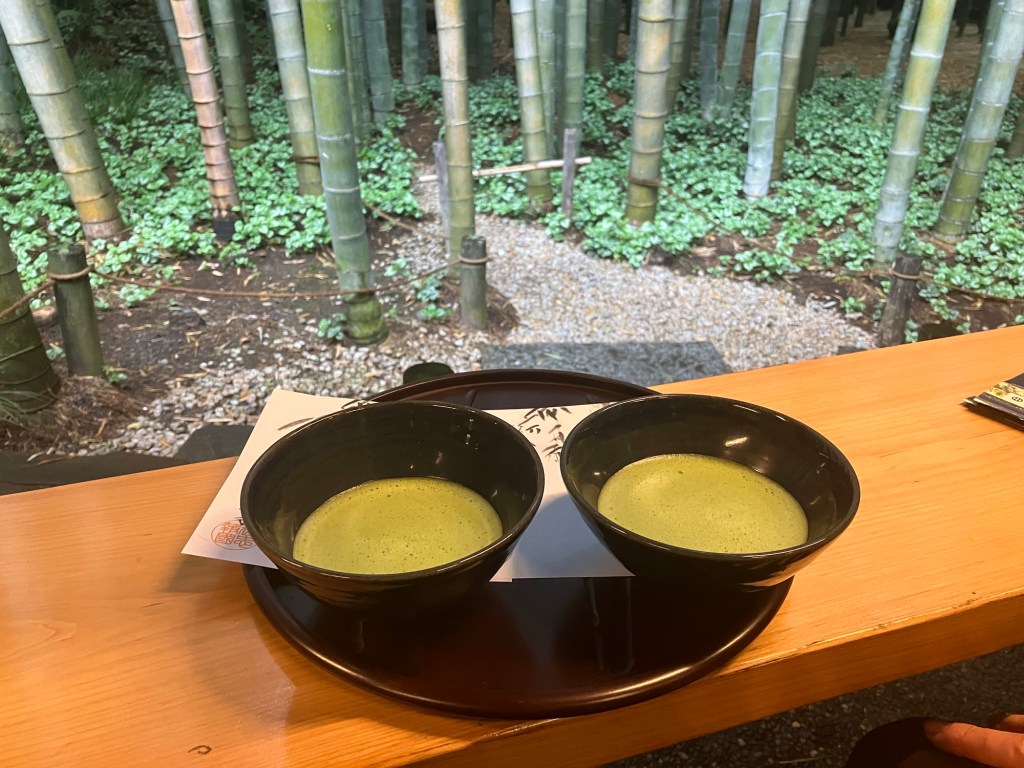
We loved it particularly when we got ashore and spent a few days in Kamakura where they have a huge Buddha and a lovely bamboo forest where they serve traditional matcha tea. Very peaceful.

2 Comments

Filed under Uncategorized