Stop with the cynicism, secularism and immorality

We must regain the conviction that we need one another, that we have a shared responsibility for others and the world, and that being good and decent are worth it. We have had enough of immorality and the mockery of ethics, goodness, faith and honesty. It is time to acknowledge that lighthearted superficiality has done us no good. When the foundations of social life are corroded, what ensues are battles over conflicting interests, new forms of violence and brutality, and obstacles to the growth of a genuine culture of care for the environment.

Pope Francis Laudato Si Encyclical June 2015

Leave a comment

Filed under Uncategorized

Oh Oh Pope Francis Look Out

Pope Francis is coming to the United States in September 2015.  One of his purposes is to attend the World Meeting of Families to be held in Philadelphia.  He will also address the United Nations.  So far so good.

He will also be canonizing (declaring sainthood on) Blessed Junipero Serra the Spanish Franciscan friar who founded the first 9 of 21 Spanish missions in California between 1769 and 1782.  Franciscans saw the natives as children of God who deserved the opportunity for salvation, and would make good Christians. Converted natives were segregated from those  who had not yet embraced Christianity, lest there be a relapse. Discipline was strict, and the converts were not allowed to come and go at will.  Serra resisted efforts by Governor Felipe de Neveto to bring enlightenment policies to missionary work allegedly because this might have subverted the economic and religious goals of the Franciscans.

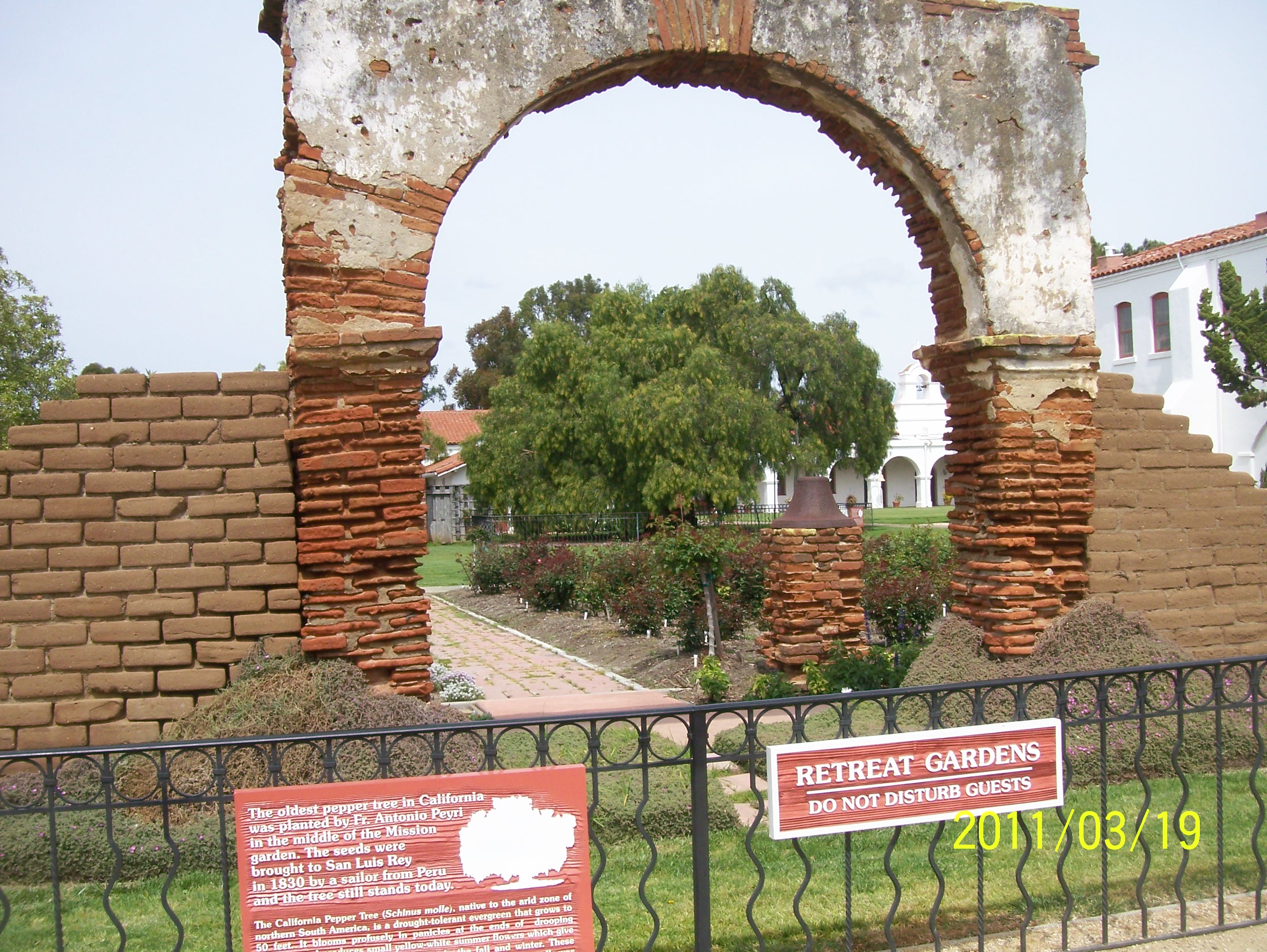
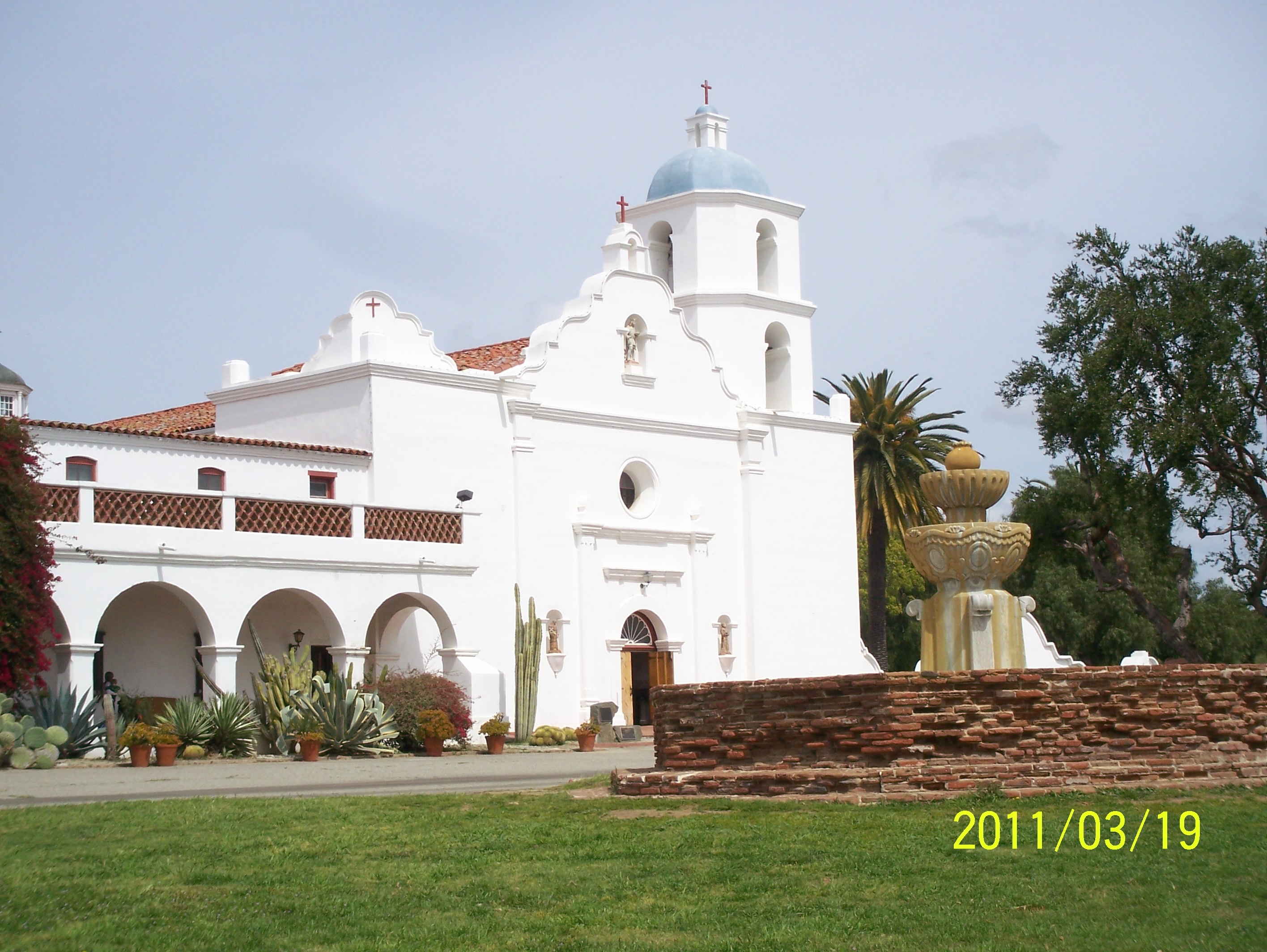
In 2011 we visited the Mission of San Luis Rey de Franca in Oceanside, CA.  It was a beautiful facility with no evidence of any historical wrongdoing on display that I remember.  It is the largest of all California missions and today operates as a retreat house.

100_6368 100_6382 100_6384 100_6386

In this NY Times article, native historians and authors have blamed Blessed Father Serra for the suppression of their culture and the premature deaths at the missions of thousands of their ancestors.  Apart from all the good it did do, according to some, the California genocidal mission system legitimized the routine beating and whipping of disobedient natives in the name of God.

Sound familiar?  Canada’s Truth and Reconciliation commission has just asked the Pope for an apology for similar tactics that were employed in the government mandated and church run Residential Schools in Canada for 130 years.  Approximately 60% or more of these schools were run by Roman Catholic entities such as the Jesuits and Oblates (who have already issued their public apology.)

So if you were the public relations chief at the Vatican or the Papal Nuncio of Canada or the U.S., how do you help Pope Francis prepare?

In the moment, I truly believe that Pope Francis will find the right words to appease all parties.  He is from Argentina and very sensitive to this kind of new world ministry dilemma.  However it will be interesting to see how he handles the situation and how it is portrayed out in the press.  Both religious conservatives who tend to rationalize it all away and liberals who say that missionary work was all wrong, will be watching closely.  Not to mention many First Nations peoples across North America who want an apology rather than a canonization.  Where do you stand?

Leave a comment

Filed under Uncategorized

Vocations

https://i0.wp.com/www.omijaffna.com/wp-content/uploads/2012/08/OMI-cross.jpg

The Oblates of Mary Immaculate Cross

Having been raised Protestant and converting to Roman Catholicism some 22 years ago, I am still sometimes confused about certain terms and practices in my Catholic faith community.  Take “vocations” for example.

As an Oblate Associate, one of the things‎ I wonder sometimes is why I, a married person (happily to Marie) feel called to the Oblates, a consecrated religious community, as a lay associate.  A good number of fellow lay associates are no longer or were never married it seems.  Hence, it seems like it’s a non married group that I hang my hat with spiritually now.  However, I likely overly generalize as their are indeed many married lay associates with the Oblates.
Roman Catholic monk and author Thomas Merton has something to say about this in his No Man is an Island.  He says the “ordinary” way to holiness and the fullness of Christian life is marriage. Only a comparatively few are called to a  consecrated life as a “special” way of sanctity. Most men and women he says will become saints through married life.  Indeed, we are all called to love by God.  Some live this love out through marriage.  Some live this love out as religious or, as unmarried.
Many Christians often say “I have no vocation.”  What a mistake says Merton!  ‎ Married people have a wonderful vocation all the more wonderful because of the relative freedom and lack of of formality compared to a monastic or religious community call.  Furthermore, navigating the marriage relationship and raising children in difficult circumstances often enables entering more deeply into the mystery of the divine, says Merton.
So I need not lament being married while attracted to the spirituality of a religious ‎community. People who are single by choice or circumstance, can remember that Paul says he does not recommend marriage.   Christ is coming back soon so no need.  However if you must, get married, but it was not for him.
In the moment, it seems that God has provided us the gifts of a single life, a consecrated life (which may be single or married) and a married life.  It is for us to choose as guided by the Holy Spirit how we want to live out God’s love.  I am grateful for having had the choice and appreciative that the Holy Spirit has guided me to make what feels like the right “vocation” for me.  What about you?

3 Comments

Filed under Uncategorized

Louis Riel and the Oblates

IMG_20150530_102325

Louis Riel’s tomb in front of St. Boniface Cathedral

Métis leader Louis Riel is a controversial figure in Canadian history.  Leader of the Red River and North-West Rebellions, he was executed for treason in 1885.  We stumbled upon his grave site while walking from Winnipeg to St. Boniface over the Red River bridge.  I wanted to learn more about him and his connection to the Oblates of Mary Immaculate.

First, a little about the Oblates in Manitoba.  In June 1844, the Bishop of the North-West, Normand Provencher requested the help of the Oblates in evangelizing the Red River Colony (modern day St. Boniface).  After 26 years of his trying, there was little to show.  Most of the diocesan priests who came to the Red River mission soon returned to Quebec and the comforts of home.  The Bishop wanted a religious order to establish itself locally to bring stability and progress to the mission of french Roman Catholics, Métis (French speaking mixed race of white European, Canadian and native descent) and the local Indian bands.

Initially somewhat hesitant, the Oblate Superior in Canada Fr. Guigues, was over ruled by St. Eugene de Mazenod the founder of the Order, who authorized sending Fr. Pierre Aubert and Brother Alexandre Taché to Red River in 1845.  From 1845 to 1861, 20 Oblate priests, 8 brothers, and 2 secular priests who became Oblates were sent to the Red River missions. Brother Taché went on to be ordained and appointed the Bishop of St. Boniface in 1853.  The Oblates in their missionary zeal went out to help found Manitoba, Saskatchewan and Alberta thanks to their tireless missionary efforts.

Louis Riel was born in 1844 in the Red River Settlement.  His father, Louis Riel Sr., who was of Franco-Ojibwa Métis descent, had gained prominence in this community by organizing a group that challenged the Hudson Bay Company’s historical trade monopoly.  Louis Sr. had enrolled briefly in an Oblate novitiate but withdrew.  The Riels were noted for their devout Catholicism and strong family ties.

Young Louis was educated by the Oblates in St. Boniface.  In 1858, Bishop Taché, OMI arranged for Louis to study in the Sulpician Order`s seminary in Montreal.  Louis was known as a good student but one who suffered from unpredictable moodiness.  Withdrawing from his religious studies in 1865, he spent time in Montreal, Chicago and St. Paul, MN before returning to St. Boniface in 1868.  He soon became sympathetic to the Métis cause for independence.  Both Canada and the U.S. were threatening annexation and there was no guarantee of language, cultural, property and political rights.

The Métis Provisional Government

After forming a group who used force to interrupt a Canadian land survey of their community, Louis was elected President of the Métis Provisional Government in 1869.  After making good progress in negotiations with Ottawa, the execution by Riel of a local English speaking Fort Garry citizen, Thomas Scott for insubordination, drew the ire of Ottawa and the Protestant elite of Ontario.

The negotiated agreement enshrined the Métis demands and a list of rights which eventually formed the basis for the Manitoba Act of 12 May 1870 that formally admitted Manitoba into the Canadian confederation. However, the negotiators could not secure a general amnesty for the provisional government.  A Canadian military expedition was dispatched to St. Boniface as an “errand of peace”.  However, when Louis learned that they intended to lynch him, he fled to St. Joseph`s Mission in the Dakota territory of the U.S..

Louis returned to Canada after things cooled down and was elected as an Independent to Parliament in 1873.  He was expelled and not permitted to take his seat until PM Alexandre MacKenzie secured an amnesty for him.  While in exile, he spent his time with Oblate priests in Plattsburg, NY.  It was then that he started suffering some megalomania, a narcissistic personailty disorder.  He then spent time in an asylum in Quebec.  He would pray for hours while standing, wrote many religious articles and started calling himself Louis “David” Riel, prophet of the new world.

After spending time in Montana and having a family he moved to Saskatchewan.  A break with the church followed and he was barred from receiving the sacraments due to his increasing erratic behaviour.  However, in 1884 he was to become the political and spiritual leader of the Métis Provisional Government of Saskatchewan.  Known as the North-West Rebellion, the Métis and native forces led by Métis Gabriel Dumont were defeated at Batoche, SK in May 1885.  A disheveled Riel also  surrendered.  He was tried and found guilty of treason in Regina.  He was executed by hanging on November 16, 1885 after reconciling with the Catholic Church.  He had rejected his lawyer`s advice to plead not guilty do to insanity.  The jurors were all white protestants.

Riel is now regarded by some as a heroic freedom fighter who stood up for his people in the face of racist bigotry, and those who question his sanity still view him as an essentially honourable figure. His conviction was revoked by Parliament and he is regarded as a hero in Manitoba.  Riel nevertheless presents an enigma. It is possible that Riel was both a murderer and a hero.

In the moment, I find Riel`s connection to the Oblates fascinating as they came to his spiritual rescue on several occasions in his life.  I did not realize the extent of Riel`s religious activities and writings.  He is indeed an enigma – a Canadian political figure who, greatly influenced by his Faith, stood up for the rights of the downtrodden Métis and native people against the prevailing racist and discriminatory attitudes of his times.  That he mixed religion with politics and used force brought about his temporary downfall.  I am glad he has been vindicated.  The pattern of his life and later resurection is eerily Christ like. What about you?

“Tortured” Louis Riel statue in St. Boniface.

2 Comments

Filed under Uncategorized

Cross in the Wilderness

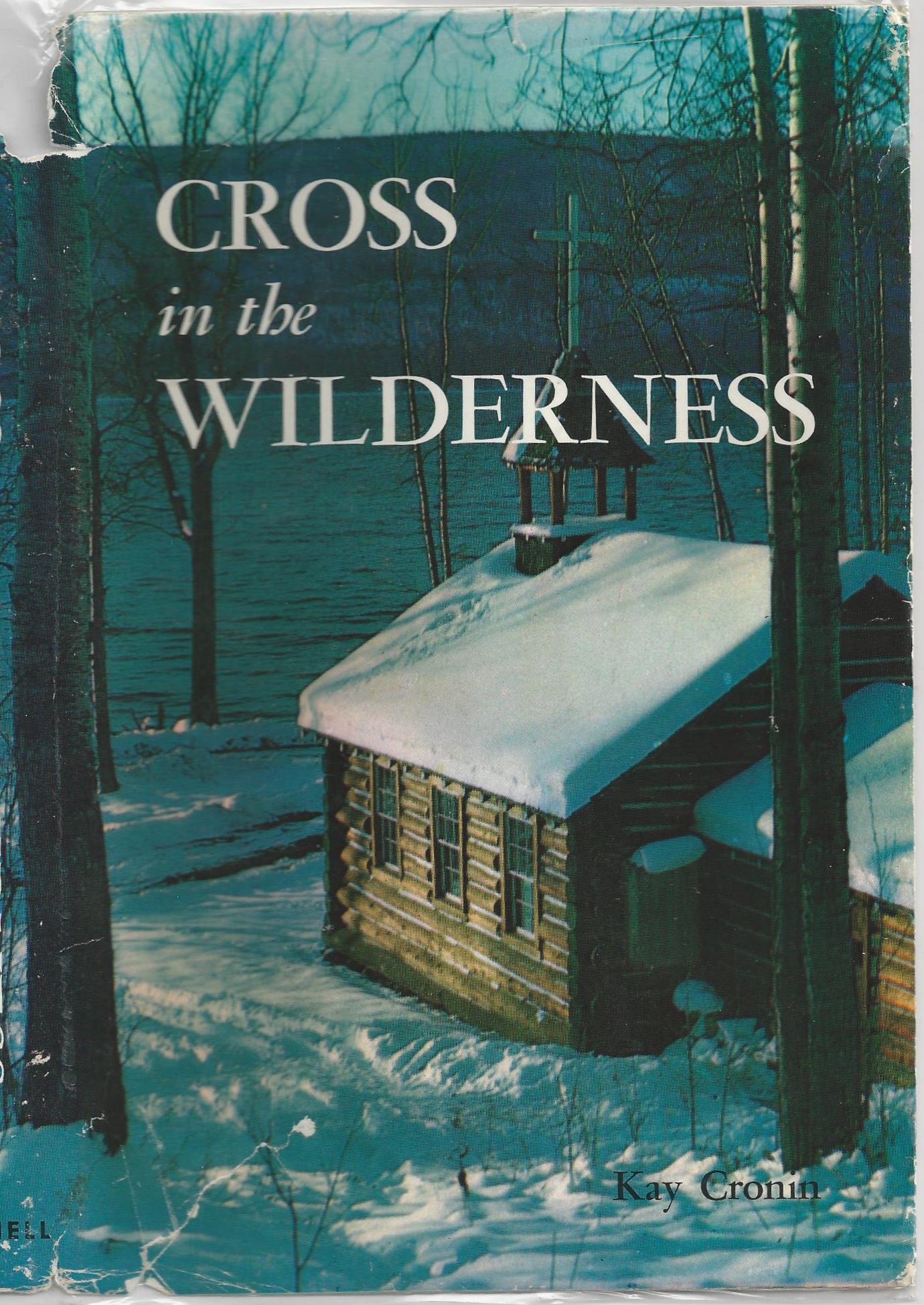
I just finished reading Cross in the Wilderness by Kay Cronin.  It is the story of the MissionCross in the Wildernessary Oblates of Mary Immaculate opening up of the British Columbia wilderness in the 19th and 20th centuries.  It was written in 1960 long before the term “cultural genocide” was applied to the way Canada treated its First Nations and related peoples with the residential school solution.

As an Oblate Associate, I wanted to learn more about what the Oblates actually did in yesteryear and today as missionaries to our First Nations, Deni and Inuit people.  There is a lot of hand wringing and rewriting of history going on right now resulting from the imminent release of the Truth and Reconciliation Report June 2, 2015.

Well my conclusion is it was not all bad what the Oblates did.  The Oblates starting around 1850 in Oregon and then moving north into B.C., founded “missions” to proclaim Christ’s kingdom and His good news.  They baptized natives, taught them scripture and English or French, gave them the Eucharist, tended the sick, buried the dead and consoled the bereaved.  Is this not what Christ did?  The goal was to make responsible Christian citizens out of what were up until then the  “children of the forest”.

In addition to chapels and churches, they built schools, hospitals and whole communities where none existed before in places like Mission, Williams Lake, Kamloops, Esquimalt and New Westminister.  As well they ministered to the local white community which swelled after the gold rushes in the Cranbook and Chilcotin areas.

Oblate BC MissionsHowever in one section the book says that the Oblate priests and brothers brought the teachings of Christ and the elements of education to an ignorant, half-heathen and downtrodden race.  Children sometimes were retained against their will  to prevent them from leaving school.  Often it was the European sense of cultural superiority at play more than the religious forces.

I was amazed at the number of buildings  – schools, hospitals and churches were built by the Oblates.  They even operated a successful ranch near Williams Lake for many years as well as farmed produce and meat in order to survive.  They were known as “specialists in difficult missions” by the various Popes of the era involved.

It was only later that the Government in Canada got directly involved and tried to assimilate the natives by removing children from their families and forcing them to go to the residential boarding schools.  They hired the various churches to run the schools.  Abuses no doubt took place including the deaths of children due to disease and malnutrition.  At one point there were 3000 active Oblates working across Canada in virtually every province.  Today there are much fewer.

So what is one to believe.  Some say this was “cultural genocide” – a human rights black mark against Canada based on what we consider now to be right.  Others say not so fast, a lot of good work was done in teaching languages, manners, European dress, personal hygiene and the Christian faith.  However separating kids from their families and expecting them to happily learn a new culture and reject their own cultural, and family roots seems at best, naive and at worst, a sinister experiment by today’s enlightened standards.

In the moment I say let’s not forget the good that these Oblates did in opening up the country and bringing civilization and humanitarian support to the natives for the first time.  What do you say?

4 Comments

Filed under British Columbia, First Nations, History, Oblates

Moments Matter

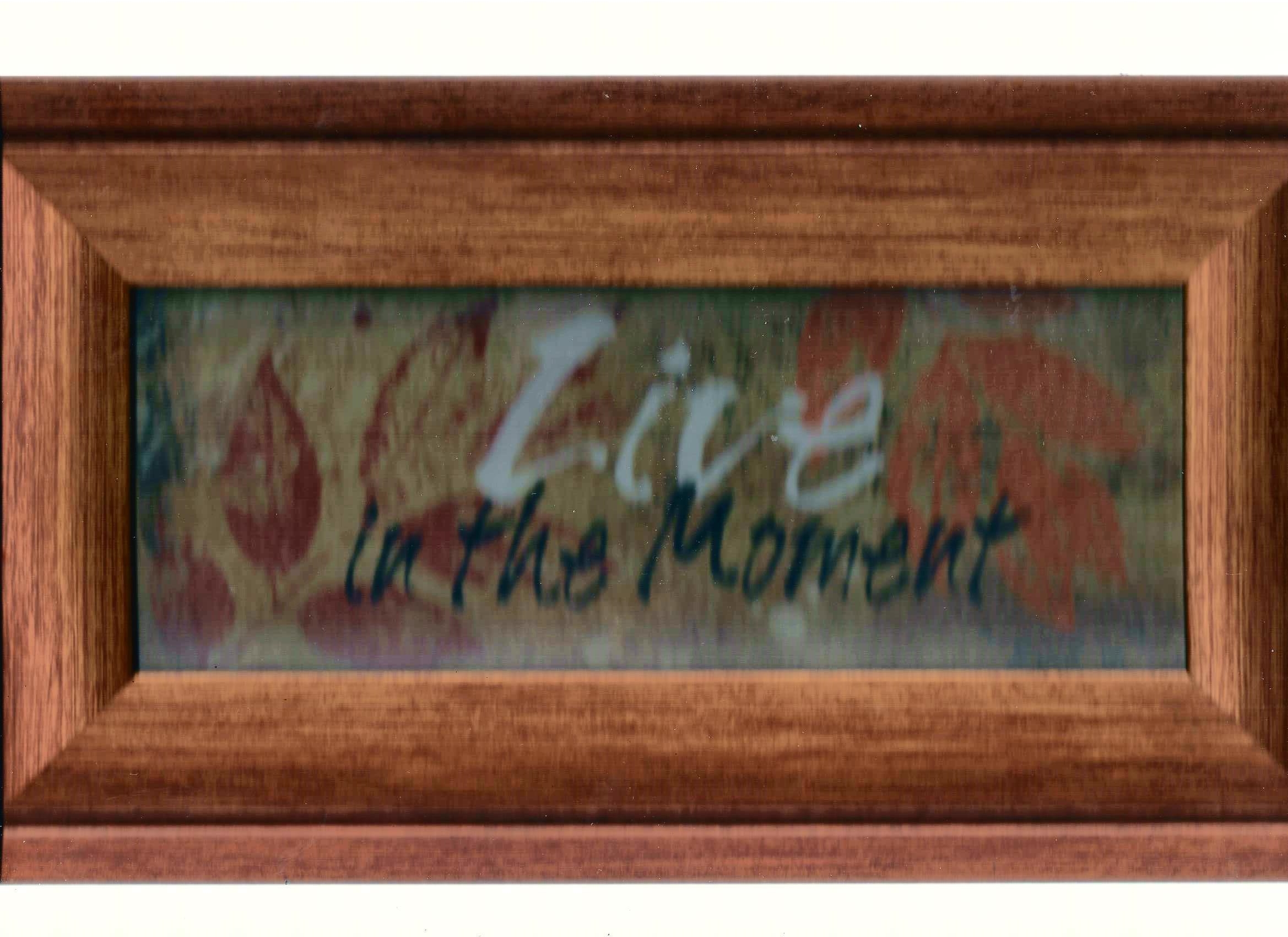
I recently attended the graduation ceremony of our son from university.  The convocation address given by Stephen Schipper, distinguished artistic director of the Royal Manitoba Theatre Centre was a bit unusual.  Instead of telling graduates to dream big, follow your dreams and achieve your potential, he had a different message – LIVE IN THE MOMENT.

Life is a series of moments, we all know.  Mr. Schipper pleaded with the graduates not to forget that.  His advice was to always BE IN THE MOMENT where ever you are and in whatever you are doing.  Then you will experience life to the fullest (and achieve your goals, reach your potential, change the world.)

Hence I decided to name this blog mattersofthemoment because moments indeed do matter in life.  I discuss what matters of the moment matter to me in Faith, life, travel, books and history and ask you what your thoughts are.  Perhaps not overly original, but definitely in the moment.  I hope you will be in the moment too.Live in the Moment

Leave a comment

Filed under Uncategorized

Mason Family Connections

In 1942 McGill University had a Masonic Club. It was in it’s 19th year. Their purpose was … “to keep the student Mason in touch with the Craft during his attendance at college.  This the club has attempted to do, in so in spite of the increasing demands made by the War on its members.  University Lodge is the sponsor of the Masonic Club, and Club members are urged to look on University Lodge as their “Masonic home” while at McGill.”

While I cannot find a reference to a Masons Club in University of Toronto’s 1936 Year Book, 42 separate “fraternity” clubs are listed with names like Phi Delta Theta and Beta Theta Pi.  I bet a Masons Club existed there too and still does


Who are the Masons?  Freemasonry was first established in London in 1717.  It’s evolution represented a response to men’s social need to organize themselves into some kind of brotherhood during a period when the dominant social ethic was becoming individualism.  Individualistic, theistic and anti-Catholic, the Masons organized a collective infused with brotherly humanism and based on elaborate ritual. The Odd Fellows, the Woodmen and scores of other societies adopted many of the Masonic principles such as their three-degree initiation rite, secret passwords, special handshakes and promises to aid one another in times of sickness or distress.  The expressed purpose of the masons is to make a man a better man – a better husband, a better father, a better community member, a better citizen.  The Masons do not seek new members (although this may have changed recently), new members seek out the Masons.

Hundreds of fraternal organizations were formed in the Americas in the 1870s and 80s including many temperance and literary groups.  Some form of life insurance was often offered to members as “benefits”.

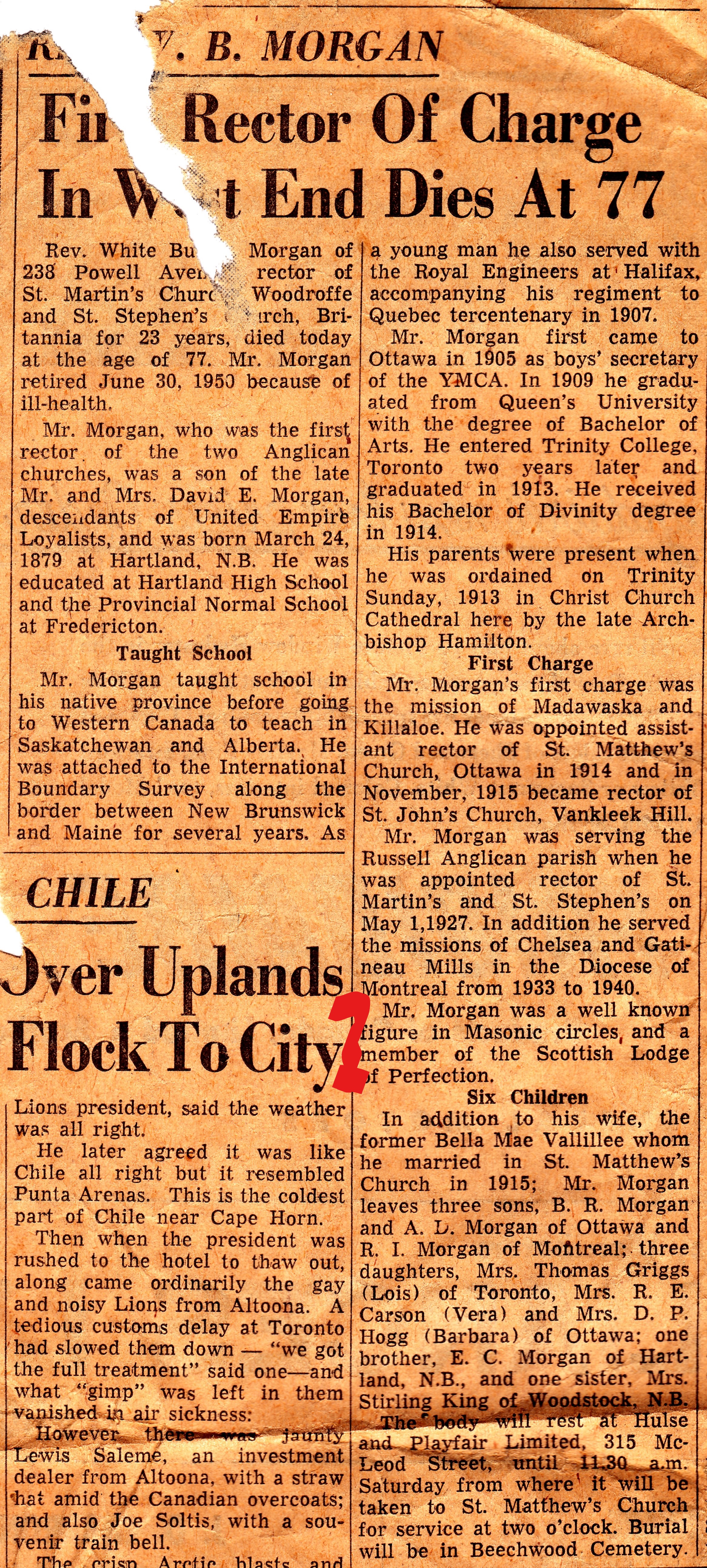
One of these many fraternal benefit societies formed in 1882 was the Knights of Columbus with which I am very familiar.  As a member of the K of C, and Roman Catholic, I am forbidden to join the Masons because of the wide gulf in spiritual beliefs.  The Masons are deemed “deists” proclaiming only a common belief in a master creator – whatever you wish to call her/him – God, Allah etc.  Even some of the Protestant denominations label masonry as occultish and pagan like. However the Church of England is known as being a strong upholder.  Many Anglicans have been masons for many generations.   My paternal Grandpa Rev. White Burton Morgan was an Anglican minister and Mason of the Scottish Perfection Lodge.  Likely many others of his family were too.

IMG_0008 (2)_LI


With this brief introduction, it is very interesting that we also have a number of known Masons in both the Ward and Finnie families: Sydney M, R. Gordon W. and Alex Finnie.  There were undoubtedly more, perhaps Samuel H. himself and several more of his sons and brothers.

A Lodge is the basic organizational unit.  Sydney M. belonged to the Westmount Lodge: http://www.westmountlodge.org/   ; R. Gordon. belonged to the Waverly Lodge: http://www.biblio.com/book/laws-waverley-lodge-82-free-accepted/d/8872908 ; and, Alex Finnie likely belonged at the time of his death to one of the many Victoria, BC area lodges: http://www.freemasonryinvictoria.com/

Here is a copy of Syd’s Life Membership in Westmount Lodge No.76. He would have been about 55 when this was issued so he had probable been a member for at least 25 years.  A Life Membership usually means you do not have to pay annual dues any longer and is an honour to receive:

Syd Ward Masons Life Membership

Hence these three at least must have known the secret handshake, passwords and rituals and have been able to discuss this together freely over a beer or coffee.  One or more may have been a Grand Master meaning they presided over a Grand Lodge.  There would have been many social events to which wives were likely invited.  Networking and many dinners would have been had.  A secret society to which we Wards and Finnies belonged – very interesting connections here.

mason symbols all-seeing eye  illuminati The Mason seeing eye.

In the previous image, the compass and square represent the link to the middle ages stone mason Craft from which the Freemasons sprung.  The “G” may stand for God or Good.

No secrets here!

Are there any current Masons in the family?  Please feel free to correct my musings on this topic.

David

Leave a comment

Filed under Uncategorized

Charles Kenneth Ward Early Pictures

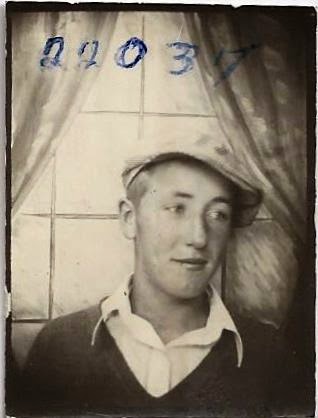
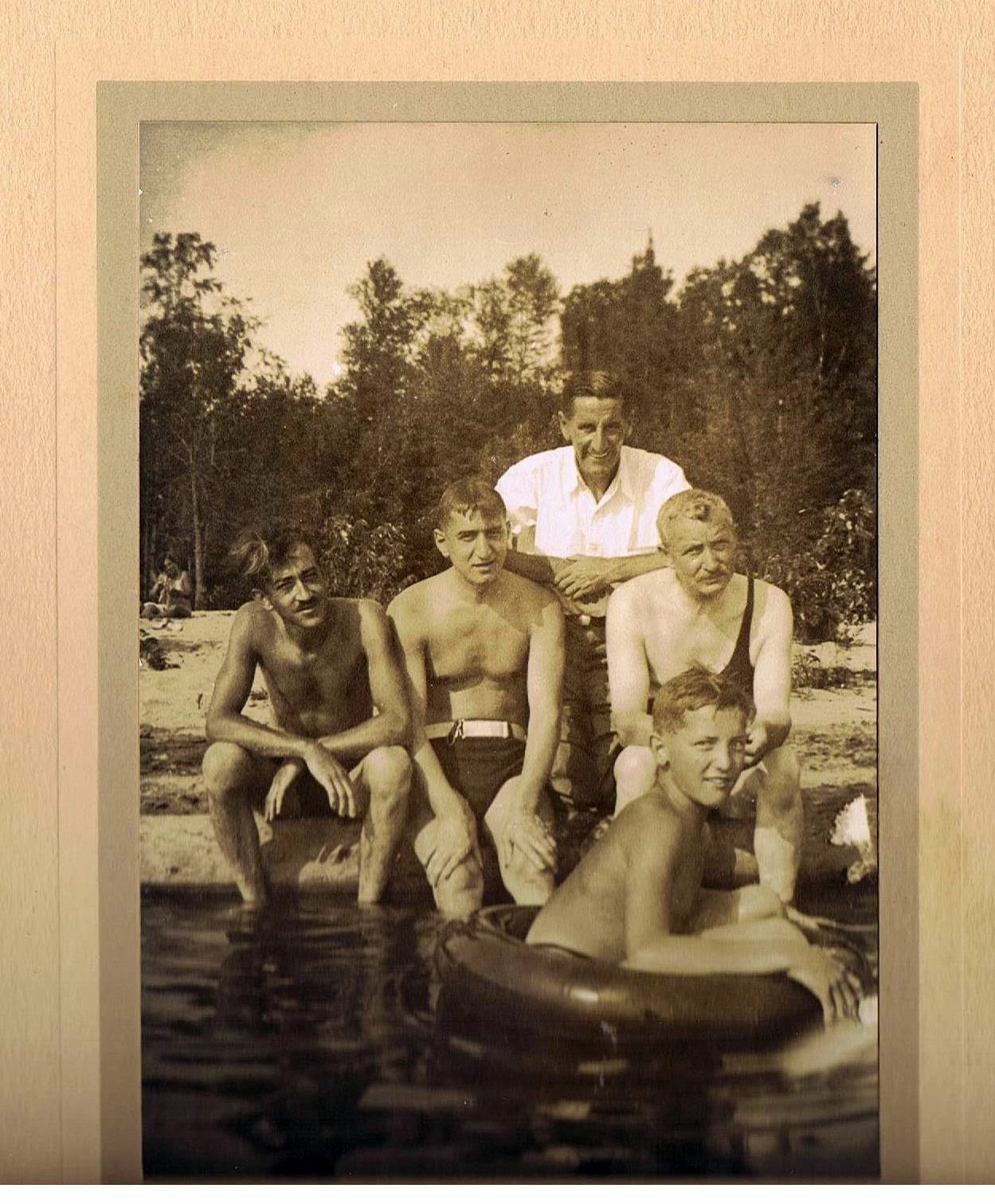
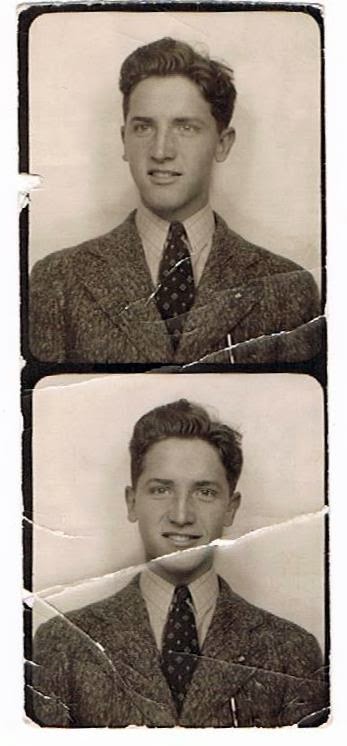
Claudia and I think the following 2 pictures I found in the vault are of her father namely C.K. Ward as a boy.  Enjoy.

Would be about 1925-26
As a school boy, perhaps about 1930-31

What do you think?

Photos from Claudia’s vault:

Think it’s C.K. in inner tube but with who?
As teenager age 14 or 15

7 Comments

Filed under Uncategorized

Alfred David Morgan 1921-65

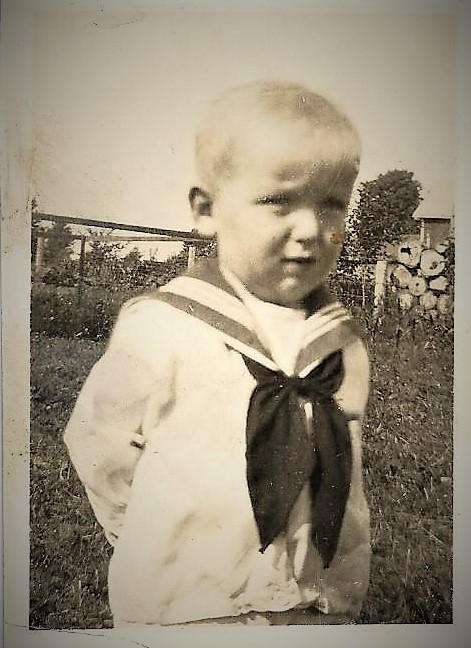
Alf Aug 1 1923 2 years old

Alfred David Morgan, my father was born on April 14, 1921 in Vankleek Hill, a small town in Eastern Ontario.  His dad was Rev. White Burton Morgan, an Anglican minister.  His mom was Bella Mae Vallillee of Ottawa. They had moved to Vankleek Hill from Ottawa because White became the pastor or assistant at the local Anglican church.  The photo above is of Alf in his first sailor outfit and is dated Aug 1, 1923.
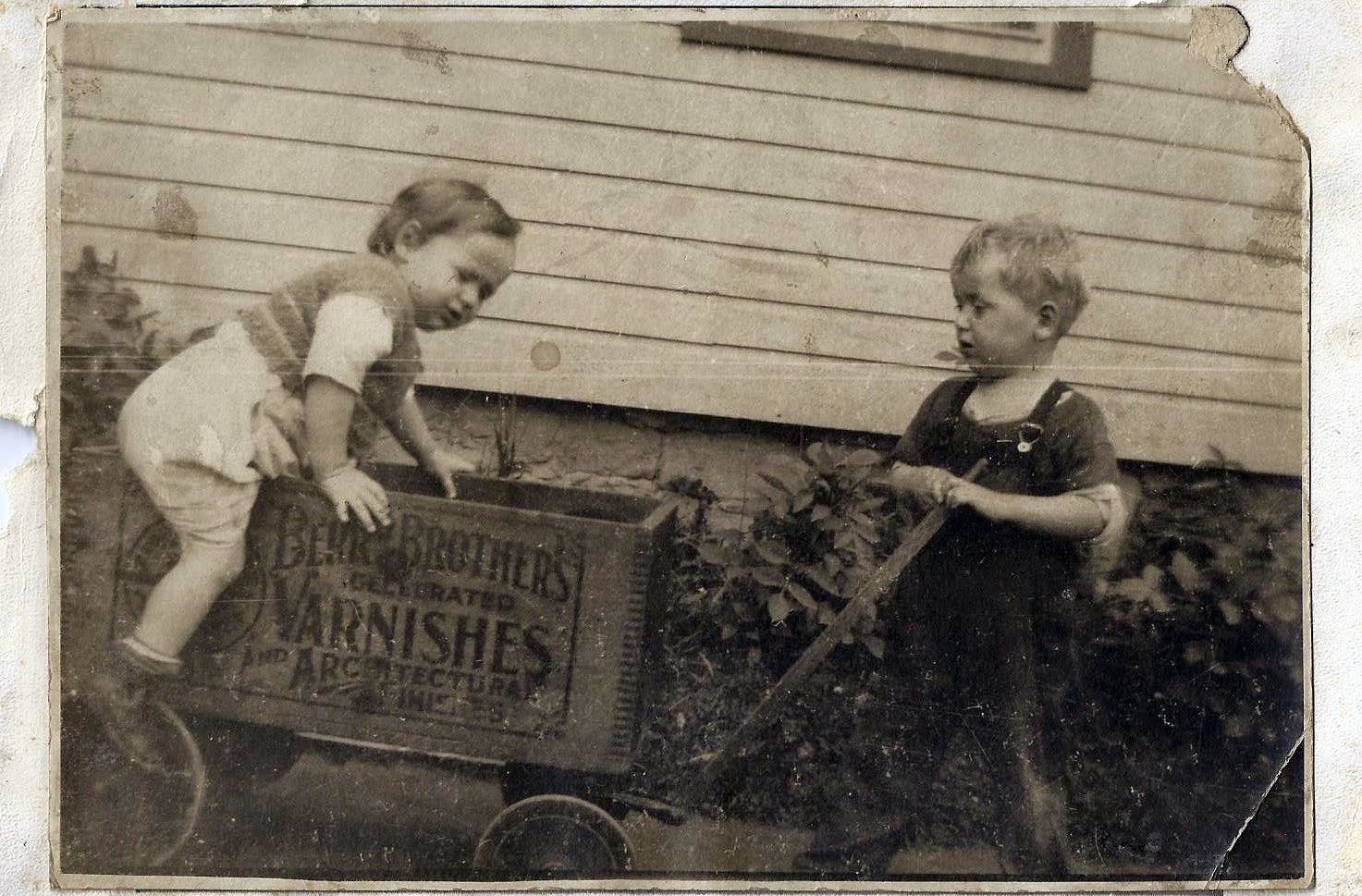
Barbara Morgan and I believe this to be Alf left and Burt right playing in Vankleek Hill circa 1923
 
 
Circa 1930
Age 16, 1937
Alf as young man circa 1939

Alf had 3 older sisters: Lois, Vera and Barbara.  He had an older brother Burton and a younger one Reg.  Hence they were a typical semi-rural large family.  They had a dog named Ginger.  Life for Alf must have involved family meals, school, chores and Sunday school.  One thing became quickly clear, young Alf liked sports.
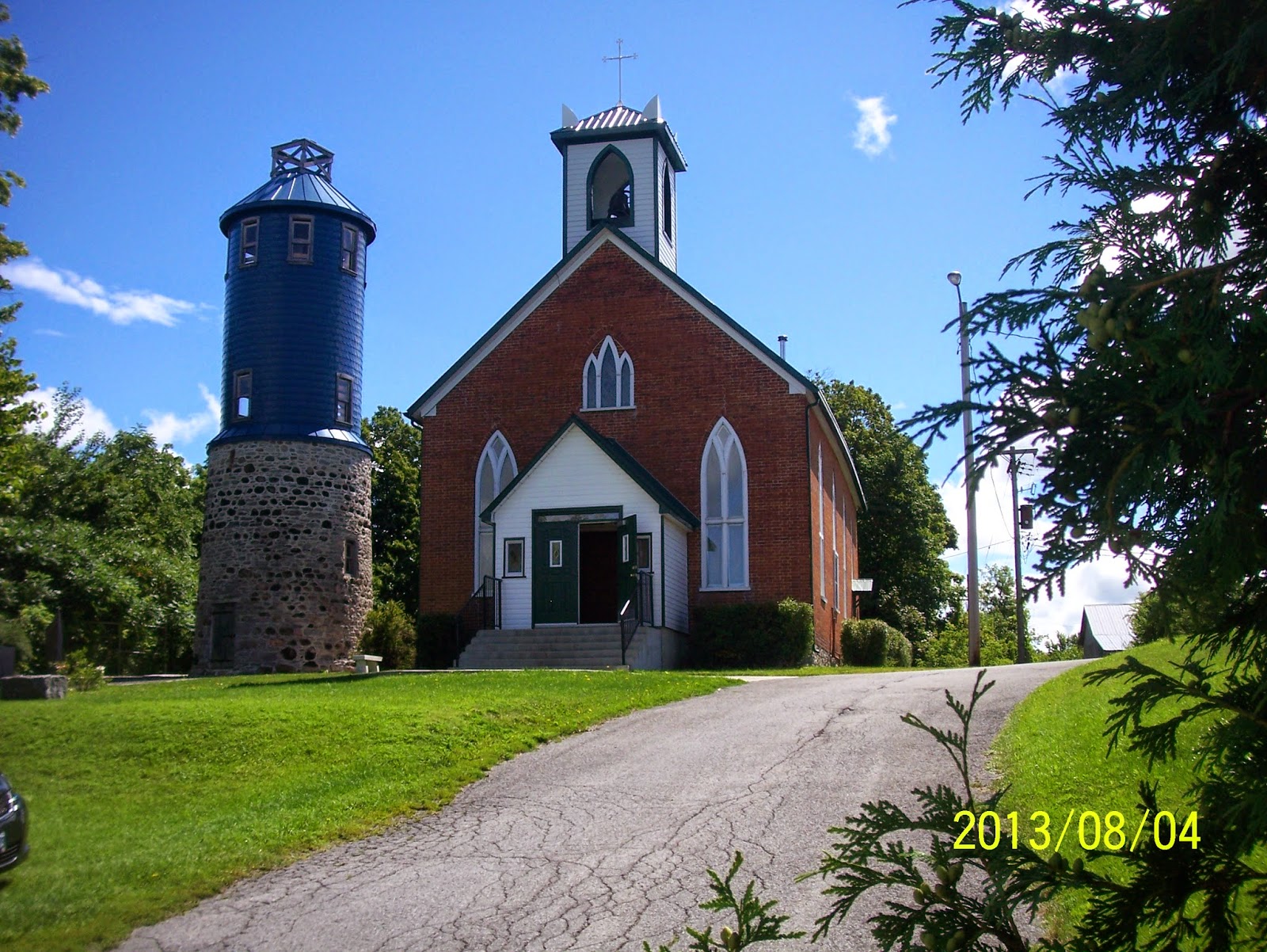
St John the Apostle Anglican Church, Vankleek Hill today

We next find the family living on Fourth Ave in McKellar Park in Ottawa’s Westboro community.  White had become the pastor at St Martin’s Anglican which is now the Hulse and Playfair Funeral Home corner of Woodroffe and Byron Ave.  Alf progressed through grade school at Broadview Ave Public which is being designated a heritage site: http://ottawacitizen.com/news/local-news/heritage-designation-could-preserve-part-of-broadview-school


With Bella and brother Burt 1930s

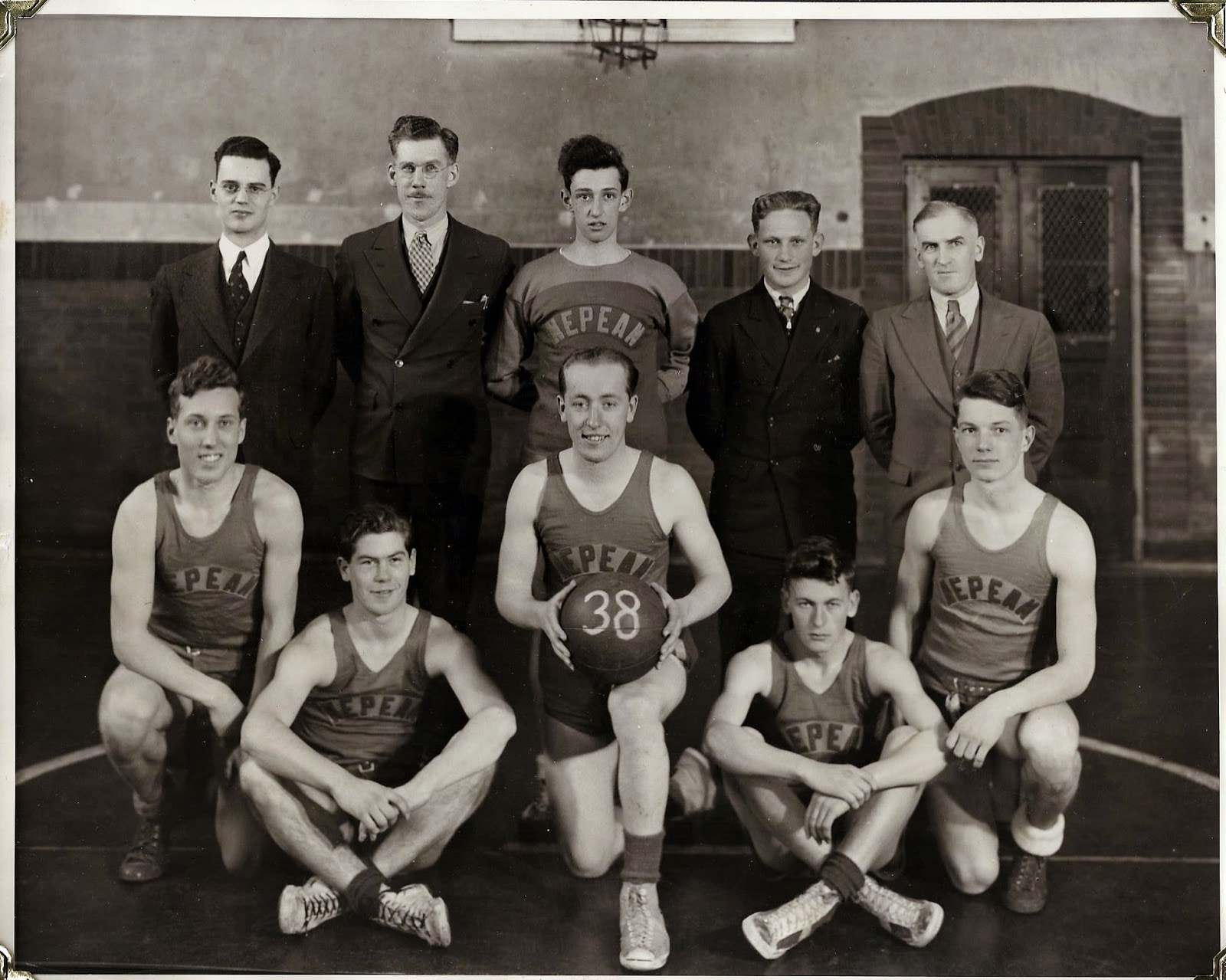
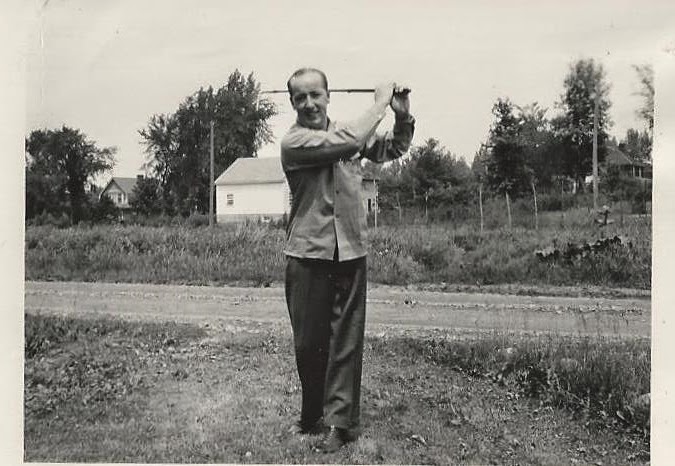
 In 1933 he entered Nepean HS right next door.  He played on the basketball team and played golf frequently at the local McKellar Park GC which no longer exists. (There is an old original sign from this club in the bar at Pine Lodge in Bristol, PQ.)  In the 1930s he wins the R. H. Montgomery Trophy for low net and with partner Miss B. Kendrick finishes second in the low net couples.  I have a certificate saying that he had a hole in one at McKellar Park as well as another one in 1948 at the Chaudiere GC (pre-cursor of the Chaudiere in Hull, PQ I think).  There are photos of him with a tennis racket too.  He loved sports but golf was his first love.
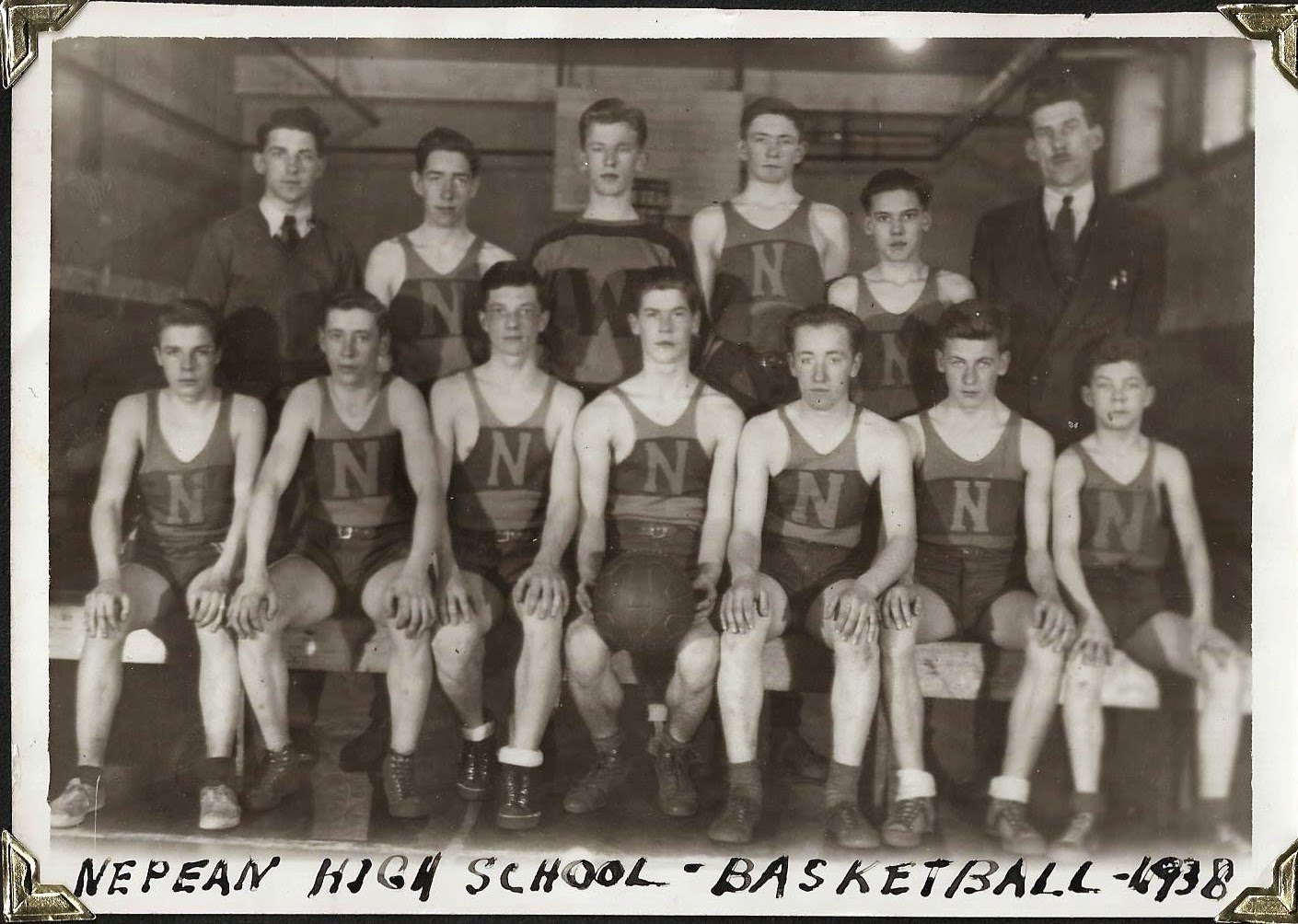
Alf third from right, front row and in centre in top photo


HS Prom 1939
With another girlfriend in 1942 (sorry Mom)

He must have done reasonably well in HS as his parents sent him off to McGill in Montreal in 1939 for an Arts Degree. While at McGill for several years he was the sports editor for the McGill Daily student newspaper.  His graduation book message in 1942 reads: ” Associate Editor, McGill Daily 1940-42; Inter-company Football; Men’s Historical Club 1940-42; Basketball Referee 1940-41; Co-Editor Leonard Foundation Annual 1941-42; expects to do post-grad work at McGill.”


McGill Arts Grad 1942
Cool dresser

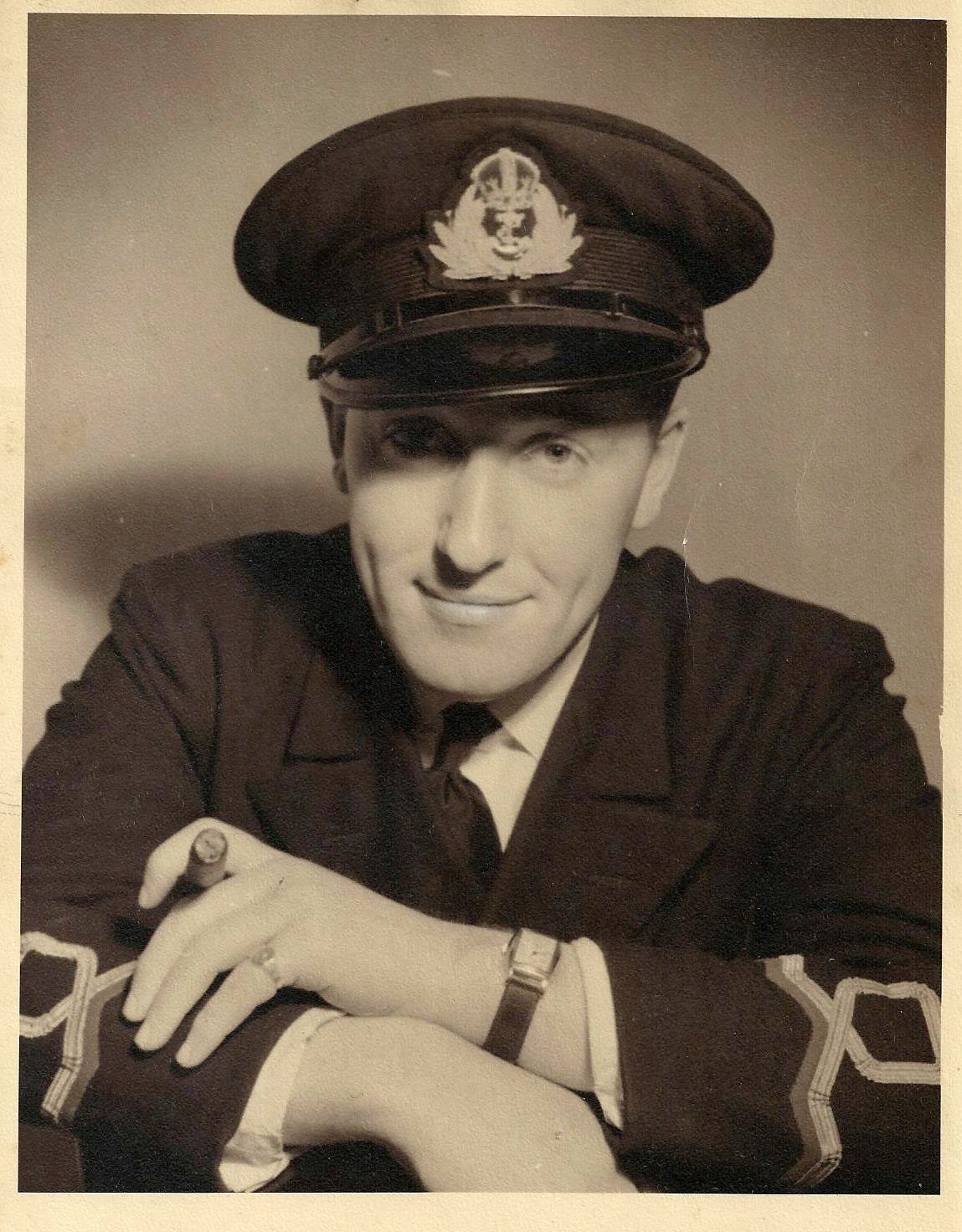
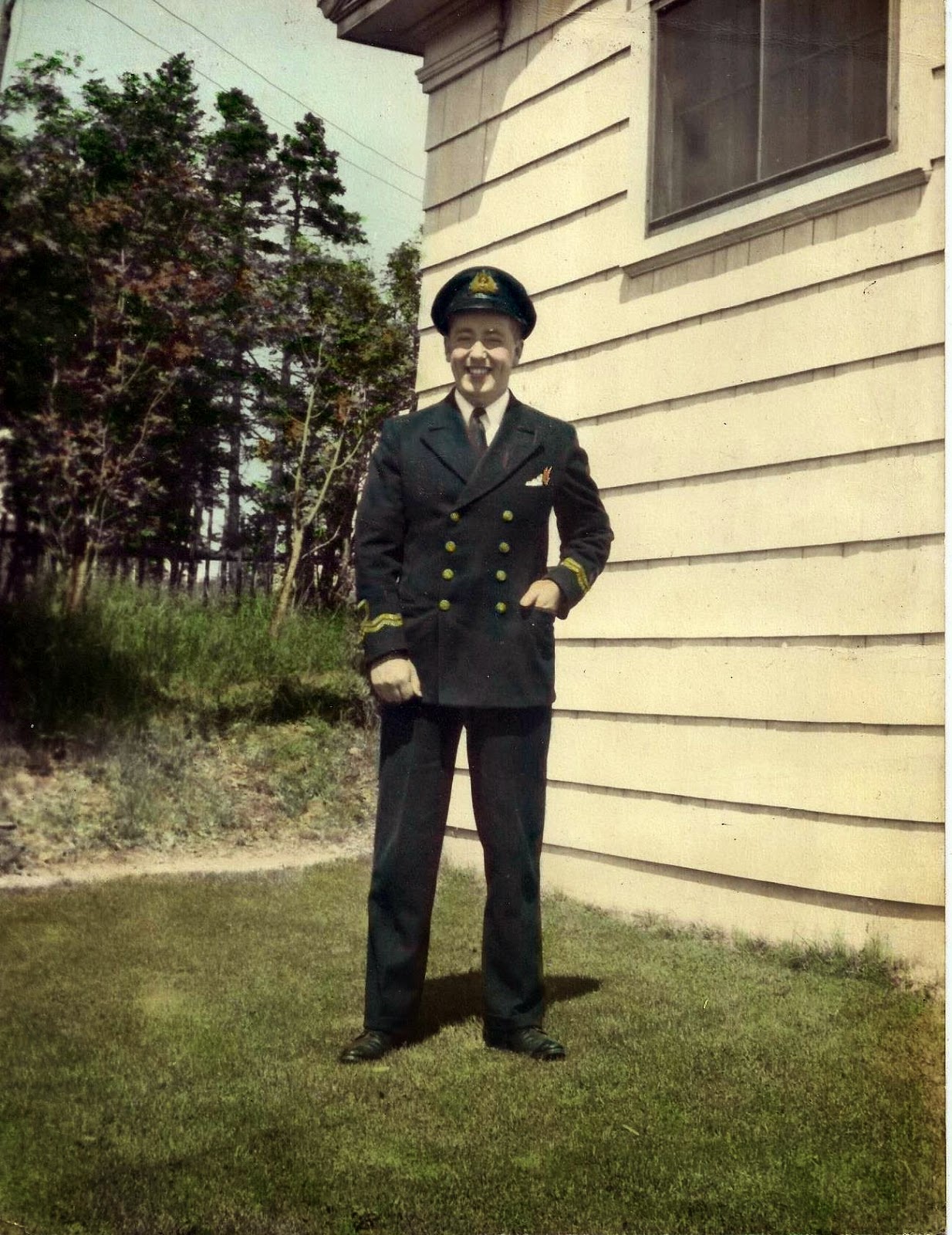
But then the War intervened.  On campus there had been 6 hours of military training per week and inter-varsity sports had been curtailed.  On Dec 13, 1942 Alf joined the Royal Canadian Navy Volunteer Reserve (RCNVR) as a Sub-Lieutenant in the Special Branch.  Many of his friends must have joined the forces too, some of whom would never return. I am not sure how he got there but he spent most of his subsequent war years at Fort Pepperrell in the Signals group of the North Atlantic Division. The base building is now a community centre in beautiful Quidi Vidi just outside St. John’s, NL.  I have his badge and two war medals.  They indicate that he served “overseas” since Newfoundland was a British protectorate then and hence was considered to be overseas  He was subsequently appointed to the rank of full Lieutenant with seniority dating from July 1943 by Defence Minister Paul Hellyer in 1963.


Alf at HMCS Cornwallis Ottawa for training 1943, 2nd from left front row
Joker Morgan with trademark cigar
That’s more like it!
Fun times

The standing joke Alf had about when he served in Newfoundland was that he had 40 women under him!  It was sometime during this hay day period that he met Mary Ward from Montreal.  She was a pretty RN serving at the Naval hospital in Shelbourne, NS.  There must have been many parties while on leave that occasioned their meeting.  Well their romance blossomed, they both survived the War and were to be married in Montreal in December 1945.
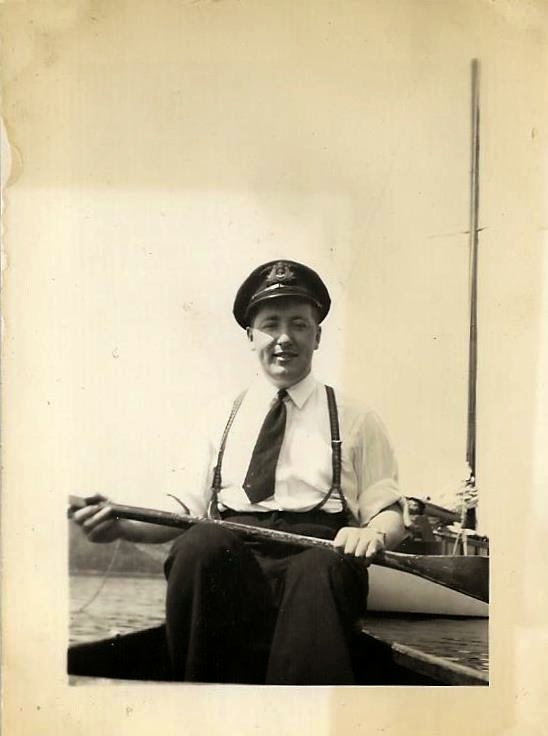
1944

Alf resigned from the RCNVR immediately following the War and took advantage of some bursaries and reduced tuition for forces members reintegrating in Canadian society after the War. He was accepted at Osgoode Hall Law School in Toronto.  He headed down there and lived at 22 Prince Arthur Ave just west of the formerly trendy Oakville.  Mary initially stayed in Montreal planning their 1945 wedding.  Then she joined him and helped pay the bills as a store nurse and stenographer.  They lived at 142 Wellesley St E near cabbage town in Toronto.
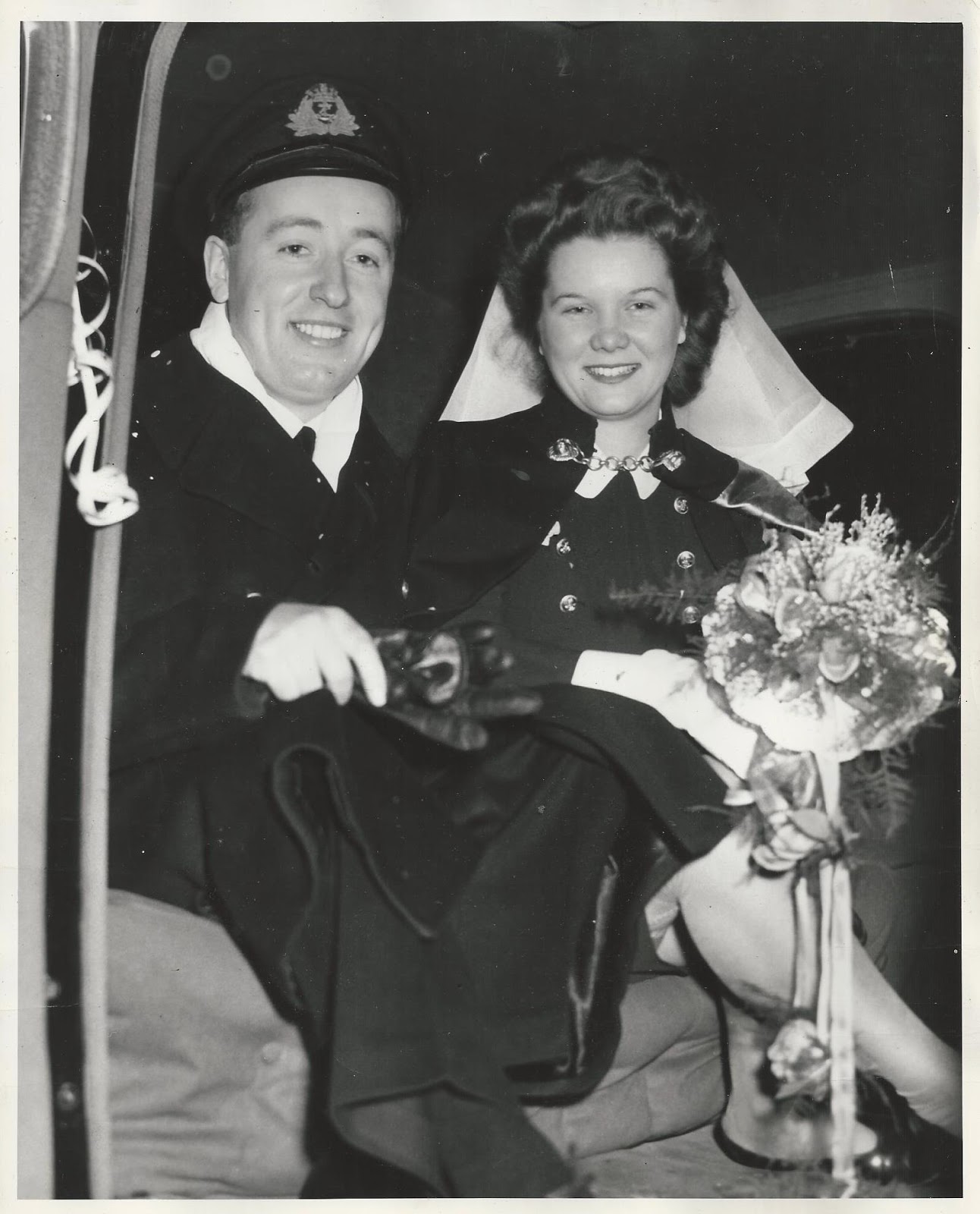
The Happy Couple, Dec 1945
Mary, White, Bella and Alf circa 1949

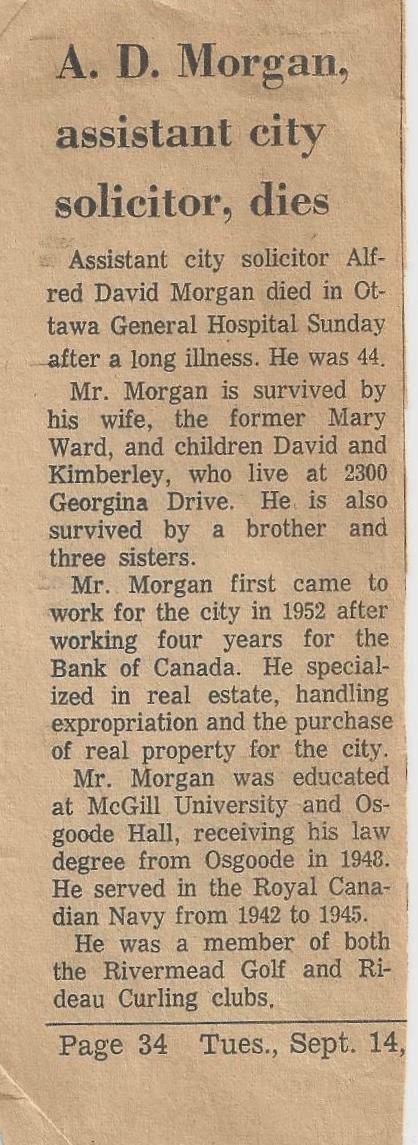
Upon law school graduation Alf landed a job in the Foreign Exchange Control Board of the Bank of Canada in Ottawa as a solicitor.  However, just after I was born in 1950, the Board was disbanded and dad had to scramble to find a new job.  He contacted friend Don Dipblock from his McGill days who was working with the City of Ottawa Legal Department.  “Dippy” as mom used to call him helped Alf get a job as assistant city solicitor in their legal department.  Alf spent 15 years working on such projects as the creation of the Sparks Street Mall and expropriation of land needed to construct the Queensway (Hwy 417) across Ottawa in the early 1960s.  There is a letter or two on file from very satisfied citizens thanking Alf and his secretary for good service.  During these years he would moonlight, doing conveyance and title searches for clients during the evenings.  I remember visiting his new office in the new Ottawa city hall building that was built for $4 million on Greens Island in the early 1960s.  In those days they had to work 5 1/2 days a week and there was no dress down Fridays!  The Federal government now owns this very attractive building.

We initially lived at 375 Mayfair Ave before moving in 1952 to a brand new bungalow at 905 Mountainview Ave which was way out in the new west end.  Kim was born in 1953 and we lived happily there until moving to a new split level in 1958 at 2300 Georgina Drive just around the corner.  Dad and mom had bought a big corner lot, subdivided it and we moved to one corner of it while another new house was put up next door.  Our house had a backyard open to all the neighbours’ yards so dad used to hit golf balls around with his pitching wedge.  He also had a couple of rubber dog bones he would squeeze all winter to strengthen his golf grip.  He used to say “Money doesn’t grow on trees you know” and also for some reason “Don’t you know?”
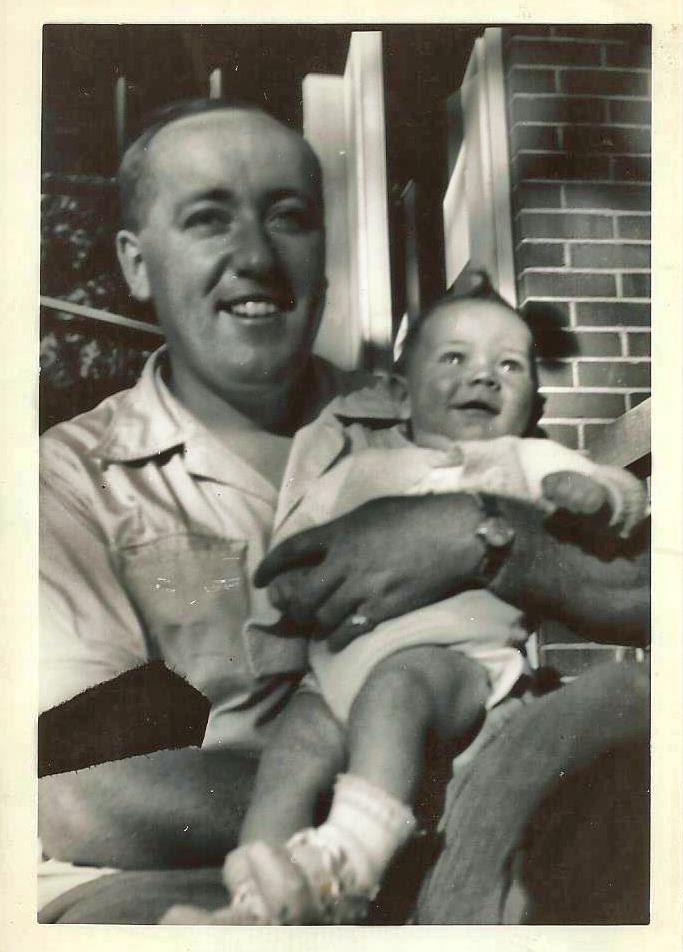
1950
 
Dec 53 with Kim and sad camper me at 905

Alf joined the prestigious Rivermead GC in March 1955.  I still have his ownership share worth $100.  He played with his buddies one of whom was Hugh Riopelle, uncle of Rev. Tom Riopelle, our former Nepean parish priest.  In 1958, he won the annual Beef and Greens tournament Walter J. Williamson Trophy for low net.  I remember him playing every Weds PM, Saturday and Sunday mornings … forever.  In the spring, he would go for a week to Southern Pines, SC and play 36 holes a day with his golf buddies.  Towards the end I would caddy for him and could hardly wait for  the coke and chocolate bar snacks at the end. When someone sunk a long put in those days they would yell out “Lafayette, we are here!  If I do that now, people don’t know what I am talking about.


Alf, Bella, me, White circa 1953


At Aunt Barbara Morgan’s for dinner

He was also an avid curler and belonged to the Rideau Curling Club.  Mom did not curl or golf much but must have attended some of the frequent socials.  He was also a member of the Canadian Club which bills itself as a prestigious meeting place for the inquiring and influential.  They host speakers, networking events and hospitality.  There is no mention of him being a Mason.  Cousin Barbara Morgan says there were a few Masons on the Vallillee of the family though.

One of the neat things we had was one of those 8 mm movie cameras that dad bought when they were all the rage in the 60s.  I have a extended film of these family memories that still works.  It includes scene’s of Alf and friends golfing in S.C., the Queen Mother’s visit to Ottawa in 1962, … and Alf’s thumb slipping in front of the lens blocking the scene he was trying to shooting.  Will have to get this converted to DVD someday.

He was a big fan of the Toronto Maple Leafs and the Ottawa Roughriders.  When Frank Mahovolich used to score with that blazing slapshot, dad would run upstairs and jump into my bed yelling “Mahovolitch, he scores!!!”  He and mom had 50 yard line season tickets for the Riders games for several years.  After they won the Grey Cup in 1960 dad took me to the victory luncheon.  I can still remember seeing Russ Jackson. Ronny Stewart, Kay Vaughn and all the big stars at that event.  He wasn’t much of a church goer though.  His first love on Sundays being the golf course.
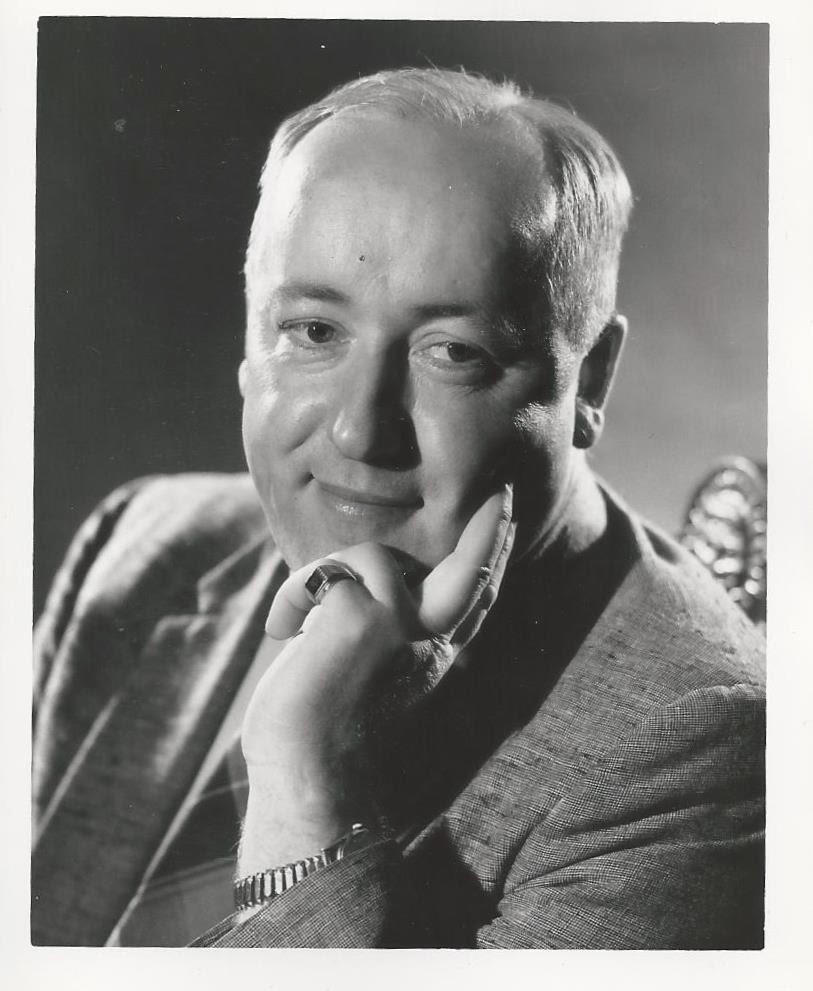
In 1964

In 1965 he bought a used Acadian Beaumont, a G.M. vehicle in its first model year.  Prior to that we had had a 1956 or 57 Buick and earlier a 1953 Ford which caused us lot’s of car trouble.

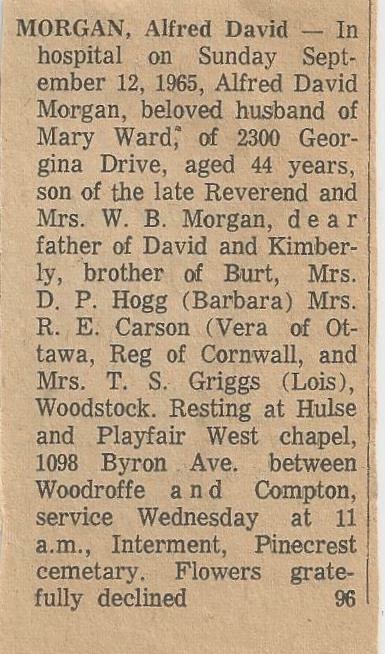
We were a happy middle class family with a stay at home mom and a rarely at home father.  Then Dad got ill.  Initially they sent him to a chiropractor to deal with the pain he had in his hip and lower back.  It was cancer and they had misdiagnosed it.  He did get radiation therapy eventually but it was not as advanced in those days and it was too late.  In 1965 at the tender age of 44 he passed away.  We were all devastated.  But, thanks to mom’s hard work, we survived.

His death notice and obituary.


In it’s 1965 year end bulletin, the Rivermead Golf Club members had this to say about him:

“That was sad, the passing of our friend, Alf Morgan…and only 44.  Our deepest sympathy to his nice little wife and children – what a shock.  Alf loved golf and, when he was hitting them and had a nice fat cigar in his mouth, everything was singing.  It was nice to have known a friendly chap like Alf.  There are too many sour-pusses in the world.”

I still do miss you dad after all these years.  Dad was a fun loving guy and it rubbed off on me – the love of golf too.  We were so happy to have known you and to have seen that you had a lot of fun.  I know you are still playing golf somewhere really great on Sunday mornings! And curling too!


With love.

Your son David

Leave a comment

Filed under Uncategorized

Wikitree Family Tree

Here is a link to the Ward/Finnie family tree I have been able to build so far.  There is much more recent data to add, but it’s a start.  I will be updating it as time permits.

Let me know if you can see it OK or have any suggestions or questions.  Thanks for your interest.

Ciau,

David


http://www.WikiTree.com/treewidget/Morgan-8983/4

Leave a comment

Filed under Uncategorized