9 Don’t set people up as experts over your life, letting them tell you what to do. Save that authority for God; let him tell you what to do. No one else should carry the title of “Father’; you have only one Father, and he’s in heaven.
10 And don’t let people maneuver you into taking charge of them. There is only one Life-Leader for you and them–Christ.
11 “Do you want to stand out? Then step down. Be a servant.
12 If you puff yourself up, you’ll get the wind knocked out of you. But if you’re content to simply be yourself, your life will count for plenty.
Tad Szulc, a New York Times reporter published this biography in 1995 some 10 years before the death of John Paul II. I was attracted to it because I wanted to know about Polish history in anticipation of an upcoming trip to Poland. I also wanted to learn the truth about Karol Wojtyla and his papacy given some misconceptions I had about his theology and apparent inaction to address priestly sexual abuse scandals in timely fashion.
Through Szulc’s book, I have come to know the man much better and to love and admire him immensely. Written in endless detail, the book traces Karol’s life from a penniless rock quarry worker/playwright during WW II to Holy Father head of the 1 billion member Roman Catholic Church over 27 years.
Pope John Paul II was if nothing else supremely confident and determined in his papal approach. He had a low tolerance for dissent. Socially progressive he knew that the communist regime in Poland would eventually come to an end due to its many shortcomings like its unwillingness to grant workers the right to free unions. Hence his patient stance of negotiation, non-confrontation and quiet unflinching diplomacy eventually led to the unravelling of the whole communist world. A more brash or impatient approach would likely have lead to violent confrontation and many deaths.
Theologically conservative, his stance against abortion, artificial birth control, the roll and ordination of women, liberation theology and basic ecclesial communities in Latin America and inculturation of the church may have harmed the church. We have seen a falling away of the faithful, the normalization of “cafeteria Catholics” and the growing appeal of the Pentacostal faith whose members are not burdened by central doctrine. However these trends were likely in place prior to his papacy.
The sexual scandal case of Priest Marcial Maciel, the leader of the Legion if Christ came later. Church authorities were criticized for slow investigations with conjecture that it was because Maciel was close to Pope JPII and was the greatest fundraiser of the church at the time. In wasn’t until 2006 that Maciel was forced to retire despite repeated accusations over many years of sexually abusing minors and having fathered as many as 6 children.
At the end, Szulc gives an assessment of Pope John Paul II as a man who enjoyed immense personal popularity and respect but who was unable to transfer that acceptance to the Church which he headed. While leaving the reader to draw his own conclusions, Szulc suggests that John Paul II may have failed in important aspects of his duties as head of the Church.
I am having none of it. Through his immense suffering and love, Pope John Paul II has become my hero – a true witness to the Faith who fostered a positive difference in the lives of millions of people in our time. 4.5 of 5 stars – a great read!
Yesterday Marie and I attended a day on divine Mercy in Ottawa. The guest speaker was Fr. Chris Alar, a Marion of the Immaculate Conception in the U.S. Archbishop Prendergast celebrated an opening Mass and stayed for the first talk by Fr. Chris. There were over 200 people there.
Wow! What a day we had. We learned that the Message of Divine Mercy communicated in Poland to St. Faustina in 1938 by Jesus is perhaps the greatest message of all time. Fr. Chris a very dynamic speaker, took us through what we need to know about this subject.
Background
St. Faustina (a Sr. of the Sisters of Our Lady of Mercy, a nobody from nowhere) reported a series of apparitions, visions and conversations with Jesus that took place in her room in the convent in Plock, Poland. She later published the details in the book Diary, Divine Mercy in My Soul. In 2000, Pope John Paul II canonized Sr. Faustina and declared the Sunday after Easter to be Divine Mercy Sunday. Word about Divine Mercy has been slowly getting out to Roman Catholics. Now that Pope Francis has declared this the Year of Mercy, the world is about to hear about it.
The Message (not optional)
A = Ask for God’s mercy.
B = Be merciful to others.
C = Completely trust in Jesus.
If you do this you will go to heaven. That’s it!!!
The Devotion (optional)
F = Feast of Divine Mercy (the Second Sunday of Easter)
I = Image (the image you see above is of the painting of what she saw)
N = Novena (nine days of prayer using the Chaplet below)
C = Chaplet (prayed using Rosary beads)
H = Hour (between 3 and 4 PM, Jesus died at 3 PM)
The Graces of Divine Mercy Sunday
Jesus told St. Faustina (Diary para. 699) “The soul that will go to Confession and receive Holy Communion shall obtain forgiveness of sins and punishment.” One must be sorry and want to amend one’s life, receive Holy Communion worthily (i.e., not be in a state of mortal sin) and trust in Jesus’ promise of Mercy.
It’s like an amnesty day for all past and forgotten sins. No eternal or temporal punishment. This is the most amazing message of all time!
Just finished reading this biography by Walter Isaacson. It was a difficult read at times because Steve Jobs was very nasty at times – ignoring his family especially his first child Lisa and calling people xxxholes and firing them in front of other staff.
But I stuck with it, all 570 pages. In the end I came to admire the man. He had the uncanny ability to vision what people wanted before they knew it themselves. He had multiple successes – the Macintosh, Ipod, Iphone, IPad and Icloud which made Apple the most successful technology company in the world. His Zen Buddhism interest and background no doubt influenced his approach to people and products.
He believed in brutal honesty in the workplace – he said “That’s xxxt” hundreds of times to people when shown their ideas or prototypes. One of his key roles at Apple apart from product design, was to ensure Apple had only “A” players on it’s staff. “It’s not easy, but someone has to do it.” quips Jobs. His focus he says, was always on making the best product possible, not making money. He played at the confluence of product design and manufacture with liberal arts and humanities. He got people to do the impossible. He had weird eating habits.
He was such a perfectionist that he lived in his first house for years with no furniture because he could not make up his mind what to buy. Another thing he is famous for is locking up Apple products so tightly that the user cannot get into them. Otherwise, “they would screw it up” he believed.
It is perhaps for this latter reason that I have never felt compelled to purchase an Apple product. Call me nerdy but I like to know I can open the back and fiddle if need be.
In closing, I highly recommend this book for an honest look into one of the most enigmatic personalities in recent history. Jobs died of cancer in 2011 at the age of 56.
I learned a lot in reading this book, not just about Jobs. Book 4.5 of 5 stars. Steve Jobs documentary movie on Netflix 2 of 5 stars
In yesterday’s RC gospel readings we are tought by Jesus to love thy enemy and to turn the other cheek when struck by an enemy. Treat an enemy like you want to be treated yourself.
What to make of this following the brutal killing of hundreds of civilians in Egypt, Lebanon and France alledgedly by ISIS terrorists.
Mitch Pacwa, SJ in his homily yesterday reminds us that anger and vengeance are emotions. Love and hate are choices. If we react in vengeance, we are feeding our ego and gain nothing. In fact we lower ourselves to the values or religious beliefs of the enemy, whatever they may be.
When we make a concious choice to love, yes even our enemies, we are following Jesus teaching. We still must and should protect ourselves against evil.
Let us hope that Canada can lead with love now and show the world the way to lasting peace for all.
A book published in 2000 jam packed with detailed information about various recent violent conflicts that have tragically affected dozens of ethno-religous communities and challenged those seeking to bring about reconciliation and peace. The ambivalence is about how often those with religious conviction use their religion and influence to either bring about the violence in the first place (e.g. jihad) or seek to mitigate it (e.g. the Catholic Community of Saint Egidio. http://www.santegidio.org) Religious extremists can be on both sides of a conflict and fully justify it’s propagation in the name of God e.g., the current deadly Sunni-Shite conflict in Syria, the Catholic-Protestant “Troubles” in Northern Ireland.
Suffice it to say that the author goes into excrutiating detail about the factions involved in a large number of late 20th century world conflicts like the Balkans, Afghanistan and Iraq, Guatemala, Mozambique, Ireland, the Philippines, East Timor. I could not get through it all.
I loved his analysis of militants and religious tolerance based on Diana Eck’s writings:
” Eclusivists” are enclave builders – there is only one way of understanding reality and interpreting the sacred.
“Inclusivists” hold that while there are many religious traditions, communities and truths, one particular tradition is the culmination of the others and is superior and comprehensive enough to include the others in a subordinate position.
“Pluralists” say that truth is not the exclusive possession of any one tradition or community. Rather, this diversity is not an obstacle to overcome but an opportunity for engagement and dalogue with others.
Religious communities such as the Mennonites have a strong call to peace and have been instrumental in teaching people how to bring about peace using their own local cultural tools and traditions. Powerful example. By contrast, Buddhists seeking inner peace are less likely to get involved collectively in conflict resolution work. And of course the extremist Muslim groups such as Hezbolah and Al-Queda are painted as the most intolerant and dangerous. The story of Islam reformer Abu Nasr Zayd is particularly disheartening: https://en.wikipedia.org/wiki/Nasr_Abu_Zayd
Catholics have been world stage in bringing about peace e.g, Pope John Paul II in Poland and bringing down repressive communist regimes. However Appleby reminds us that in 1968 the RC Bishops in South America affirmed that Christians must pursue political justice, a statement that many took in support of liberation theology protests in Argentina, Brazil and elswhere. So called “Bible and Bazooka” groups.
I recommend this book for those interested in the interaction of religion, conflict and reconciliation as well as recent world history. An exhaustive read but formidable in its scope and insight.
I was summoned for jury selection this week and not selected. There were 80 potential jurors there and my juror number was not called. It took about 90 minutes to obtain 12 jurists and 2 alternates.
As I was sitting in the court sweating it – what if I get selected -? It was for a sex assault charge that the judge said would take the rest of the week to conclude.
As I sat there, I decided that I would serve and not try to get out of my civic responsibility. Now if it had been a trial expected to last several months, that would have been different. The Superior Court sits in Pembroke, ON an hour by car each way from my home.
Everyone it seemed in that court room was sweating and praying they would not be selected. About half those who were called up asked the judge to be excused for a variety of reasons – health, family, job. It was kind of appalling to see.
Fortunately, a sufficient number of jurors did not try to evade their civic responsibility and were accepted by the opposing attorneys.
The judge was very accommodating and thanked us all for coming. He went on to explain that it is every citizen’s responsibility to serve on a jury if selected – it is a corner piece of our democratic society – it can be a rewarding experience of bonding with others and reaching a common decision. He also reminded us that now that we know how it works, to better clear the deck next time of upcoming responsibilities and be prepared to say yes.
I guess he is right but many of us don’t seem to consider this a desireable or worthy way to spend our precious time given all the other responsibilities we shoulder. It is all about time crunch!
Enough said. Fulfilling one’s civic duties like jury duty or voting for that matter is not high on our bucket lists anymore.
My sincere thanks to all those people who do serve on juries and to those who work in the justice system for carrying out justice as best they can in a reluctant society.
Epilogue
After returning home I called Elections Canada because I had not received a voters card. Marie had. I was told I was not in the system at all. Sometimes this happens explained the service agent. Alas the online system for self-registering was down and I was told I can register the day of the election at the polling booth. I hope this is true as by then it will be too late to correct. A reluctant society – an ambivalent government.
I finally made it through this book. It is the story of one of the American Civil War’s (ACW) most famous combat units. It follows in detail the story of the men of Company B, 19th Indiana Regiment, 1’st Brigade, 1st Div, I Corps of the Union Army of the Potomac. Noted for its strong discipline, its unique uniform appearance, and its tenacious fighting ability, the Iron Brigade suffered the highest percentage of casualties of any brigade in the war.
They were known as the “Iron Brigade” because of their ability to stand up “like iron” to the most withering attacks of (Confederate) rebel forces on many a bloody ACW battlefield: Second Bull Run, South Mountain, Antietam, Fredericksburg, Gettysburg, Wilderness, Cold Harbor and Petersburg. They were also known throughout the war as the “Black Hats” because they wore the black hardee hat issued to army regulars rather than the blue kepis worn by most other units.
The book tells in great detail often in the men’s own words what it was like to spend 4 years from recruitment to mustering out in an ACW infantry unit. What I liked was the miniscule detail and anecdotal stories in the book. e.g.,
“When the regiment gained the top of the hill they were greeted by a terrible volley of musketry for a full brigade of rebel infantry. For a moment the line staggered. The clarion voice of Lt. Col. Bachman was heard urging his men to hold the hill until reinforcements could come up. The men rallying to his call began to fire into the dense mass of rebels in front; for 5 minutes they held the hill……In those 5 minutes one-third of the line had fallen. Still Bachman cheered them on. A rebel bullet struck him and he fell to rise no more.” (p186)
What I did not like about the book was the pausity of maps and illustrations to help follow the story line.
All in all it was an intriguing read for someone who follows the ACW closely. As a member of the Ottawa Civil War Roundtable, I enjoy monthly get togethers to talk with some interesting people about ACW battles, events and the could have beens: http://www.cwrtottawa.ca/
I was initially attracted to this subject some 20+ years ago when I visited the Antietam Battlefield park in Maryland, only some 600 kms from home. How could a liberal democracy of Christians, descend to the level of depravity and actually kill each other by the hundreds of thousands over political differences, right in our backyard? I still ponder this question, now perhaps more than ever given the quagmire we are in at present.
In 2008 Marie and I had the pleasure of visiting Lesbos, the Greek Island where 4000 Syrian refugees are now fleeing to each day.
We were only there for a few hours while on an Eastern Med cruise. I remember being excited about embarking in Greece for the first time, even if Lesbos is off the main tourist route and lesser known.
It was a peaceful place with plenty of young and older folk and fresh fish in the marketplace. Here are a few pics from our brief stay there.
The port is pretty laid back.
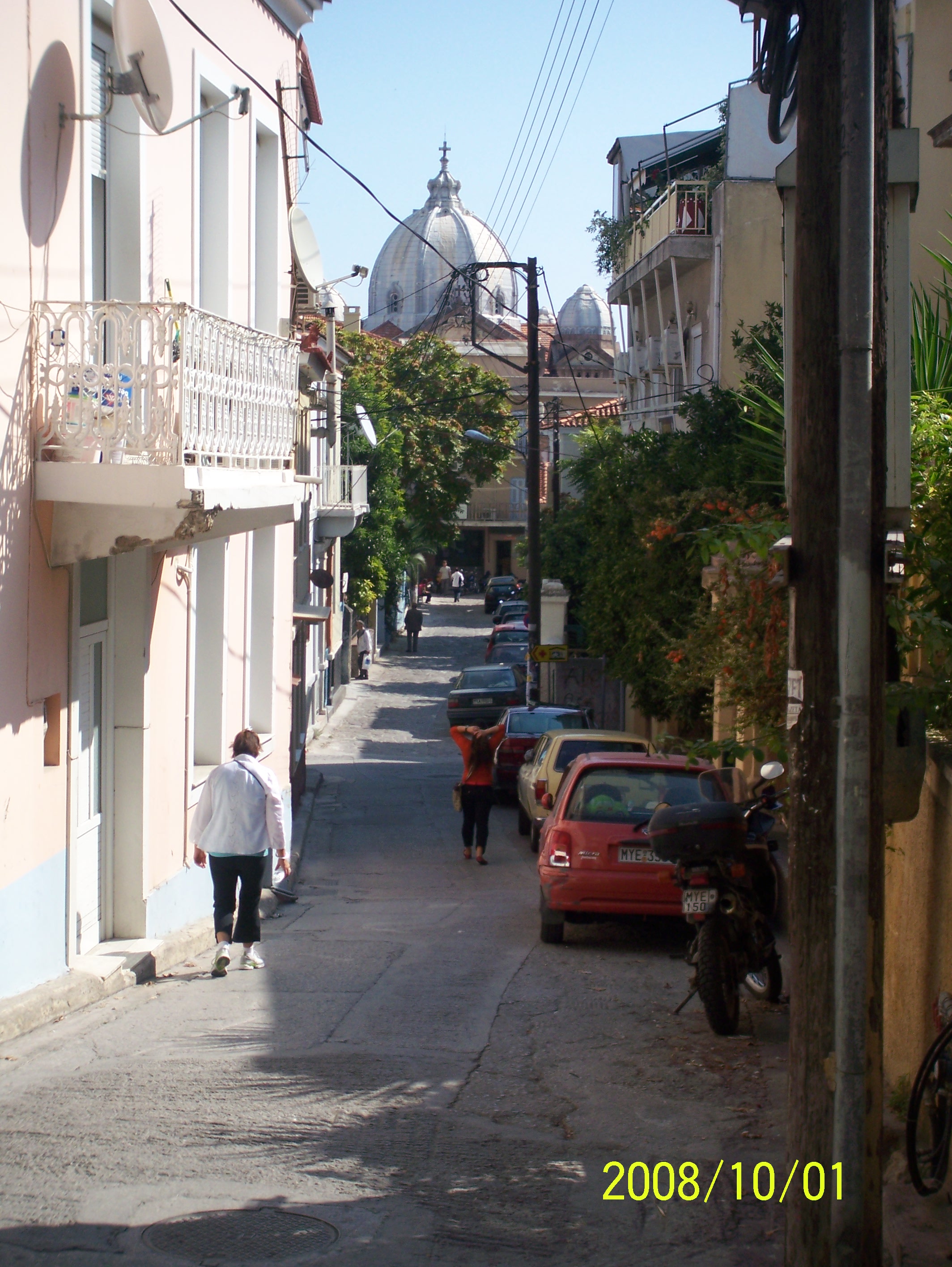
A quiet side street.
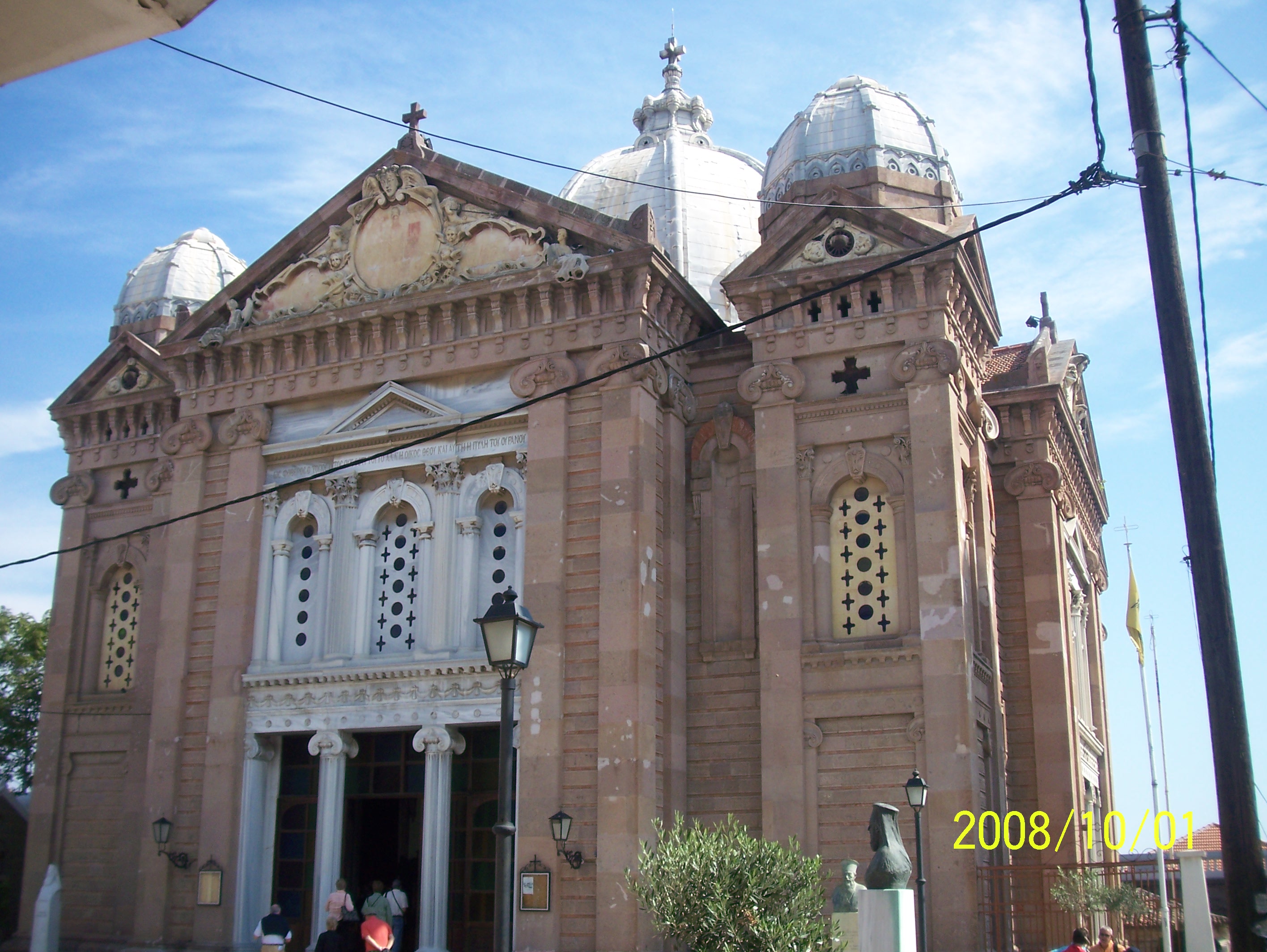
St. Therapon Church, dating from the early 19th century.
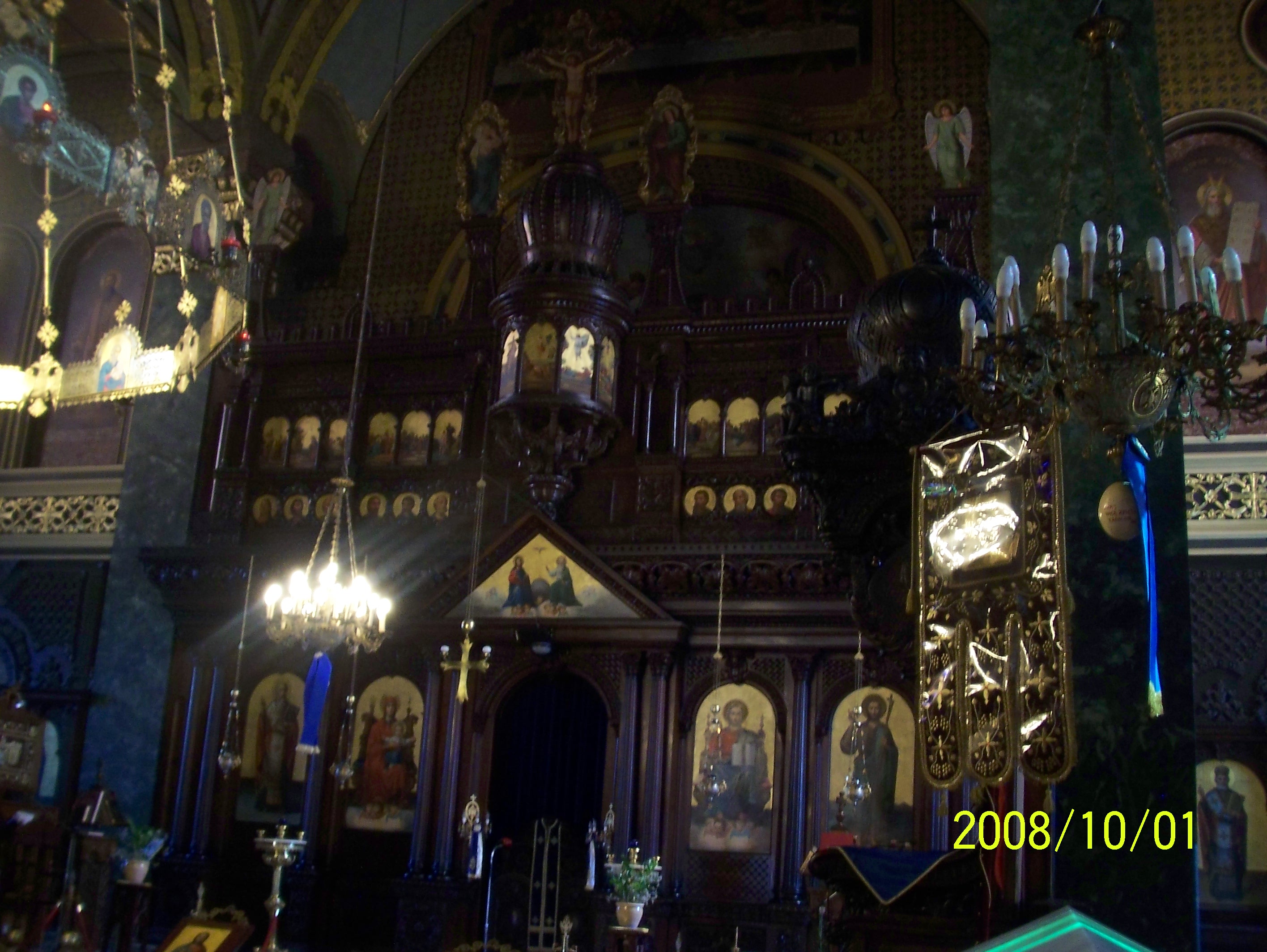
The altar. A mix of Byzantine, Gothic and Baroque elements.
Fresh fish store.
A thriving young community.
Things are not so calm there now. Lesbos is about 10 km off the coast of Turkey in the Aegean Sea. Thousands of Syrian refugees are making the hazardous voyage in rafts and rubber dinghies every day. Just today another 34 people drowned when their boat flipped however this was near a another smaller island further south.
What to make of the Syrian refugee crisis? They need the world’s help and they need it now. However it seems even Germany now is reaching the breaking point of handling the influx of migrant families.
What is going on? We all understand the humanitarian crisis as millions flee from war torn Syria, Iraq and Afghanistan. However it is much more difficult to understand who is fighting who in Syria’s civil war and what is the likely outcome. I fault the Canadian media for not better explaining to us what is being done by Canada and our allies to thwart ISIS and Al-Queda in their relentless pursuit of world chaos.
I support increasing and speeding up the entry of Syrians and other legitimate refugees into Canada. I also think we should be using our military to fight ISIS and Al-Queda with the goal of ending the violence which threatens to overwhelm the western world.
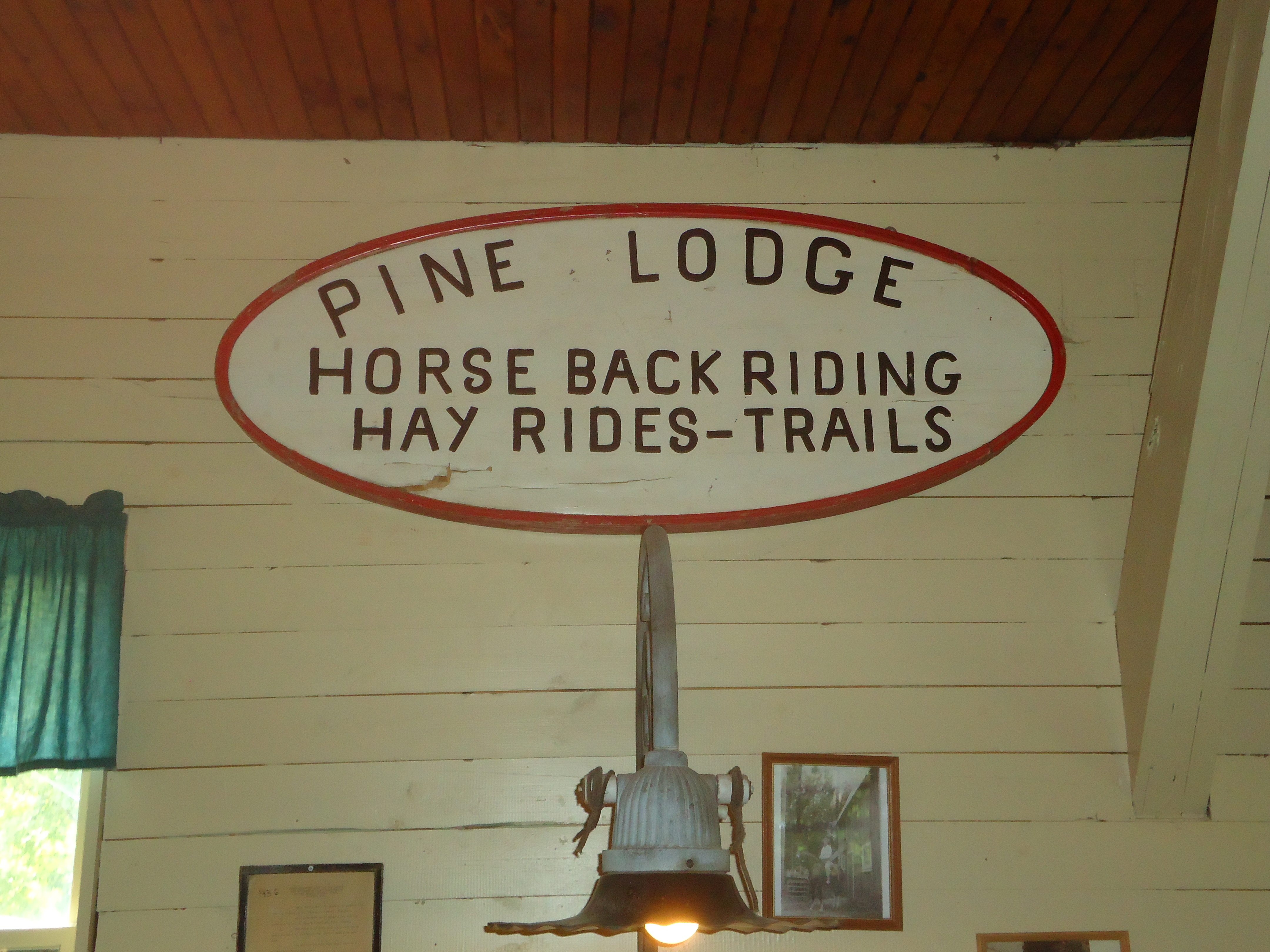
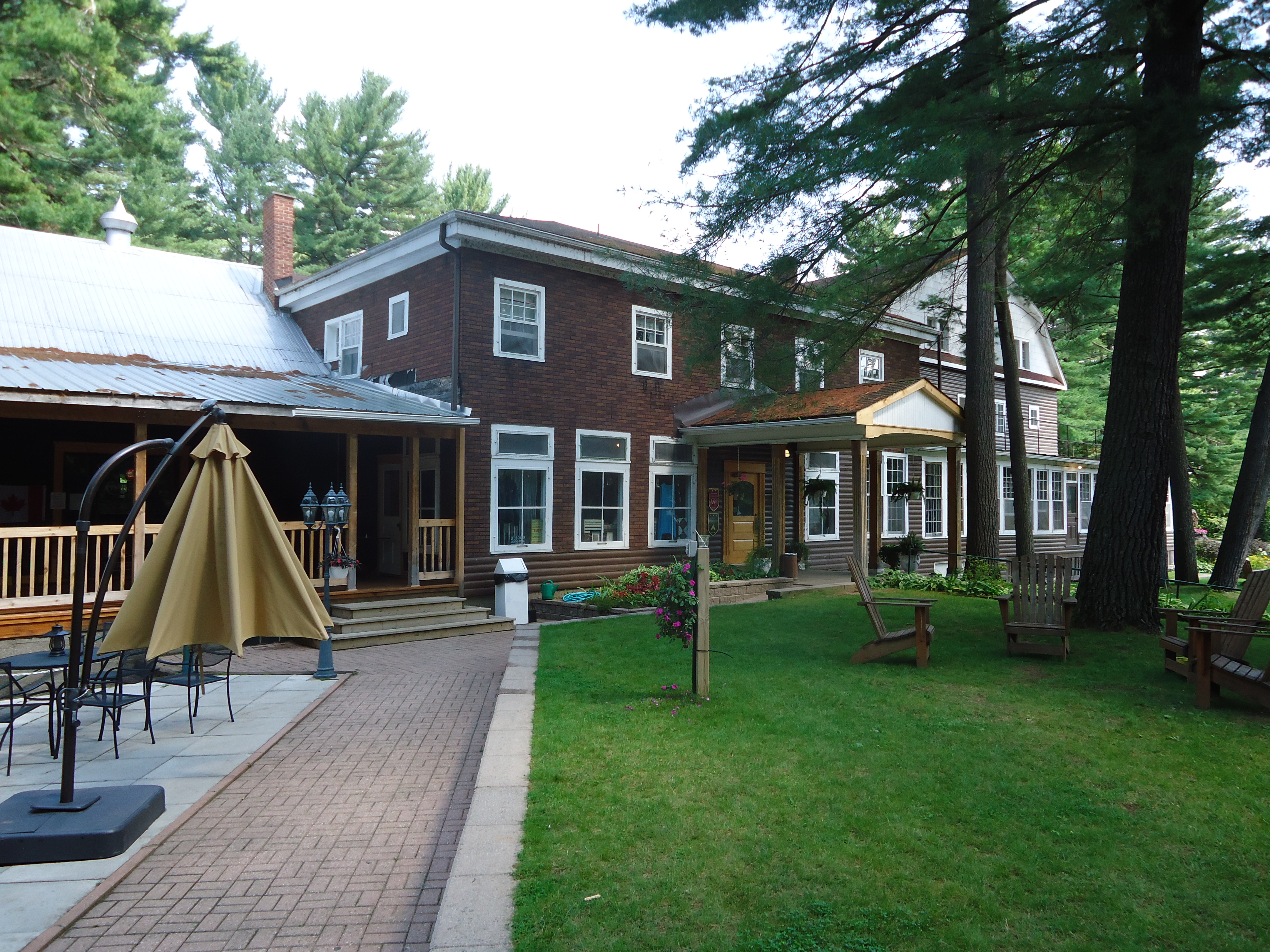
One of my passions. I went back today to play the 9 hole Pine Lodge course in Bristol, PQ but more on that later.
I was exposed to golf at an early age. My dad used to play all the time and was a member of the Rivermead club in Aylmer. As long as I remember he practiced in the backyard hitting the ball into a neighbours lot and back 3 houses over. He played every Sat, Sunday and Wednesday PM. In the spring he would head to Pine Needles, SC and play 36 holes a day with his buddies to get ready for the Ottawa season. He putted in the living room and gripped dog bones to strengthen his grip during the winter. He had grown up in McKellar Park. I still have a hole in one plaque he was awarded as well as a trophy he won at the course there in the 30s as a boy.
So I had a lot of encouragement to play. My first recollection is in 1962 when I was 12. Mom, Kim and I went to Pine Lodge for 2 weeks and I played on the 9 hole course everyday. Dad would come up on the weekend and we would play again. Later I used to go down to Woodroffe HS football field with a club and hit balls back and forth.
I caddied for dad a few times when I was old enough. I remember most holes on the Rivermead. We also played at the 9 hole course near Kemptville when visiting the Frisbies cottage.
In University I did not play as much due lack of time and money. After graduating and moving to YVR I started playing regularly at UBC and Burnaby Mountain Courses with my Imperial Oil buddies. Then after returning to Ottawa I played a lot all over Ottawa with my Measurement Canada and Industry Canada buddies.
Now being retired I can play whenever I want, and do some 25 times each year. So today I met friend Paul in Norway Bay and we headed to Pine Lodge for breakfast. Then we rented a cart and played 9 holes with 2 balls as Paul drove the cart and advised. It’s a short narrow course but I did OK.
Golf is an adventure! Every time out there is the possibility of a perfect game! Of course this never happens unless you are a pro. Today was great playing those old holes – nothing has changed much since the 60s or even since the 30s when Mom first went there. I love the feel, the smell of nature, the banter, the views and the green, green, green of the fairways and greens. I am hooked Dad!








 mattersofthemoment