
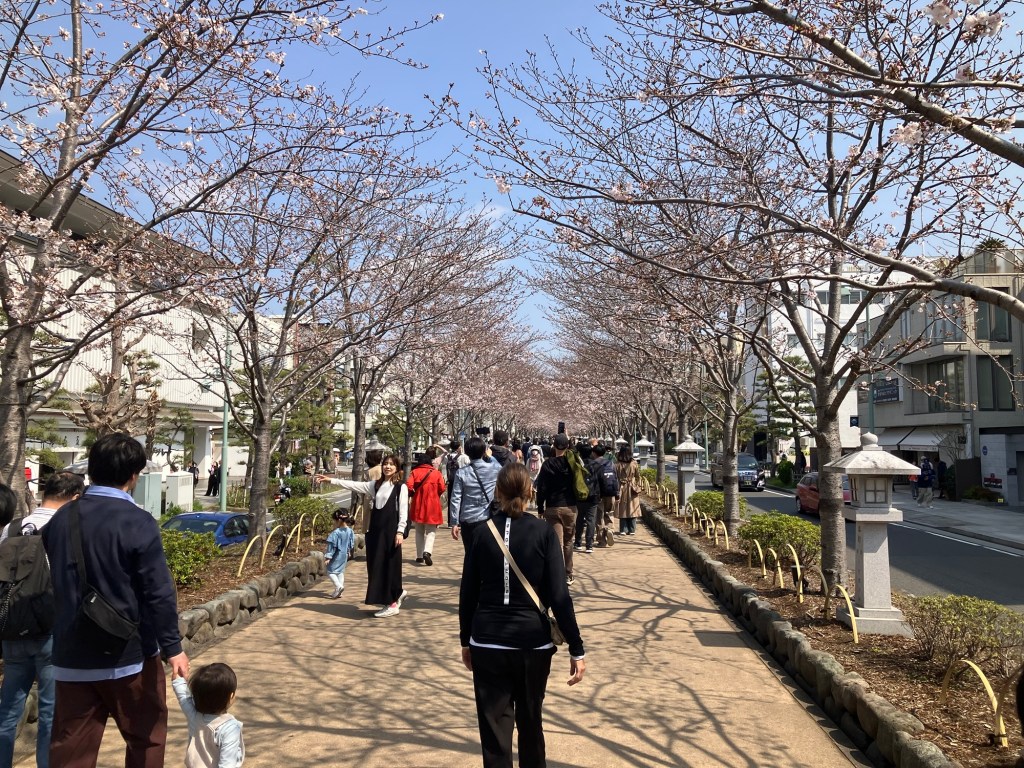
What we noticed that was different in the Palm Sunday Mass we attended at Yukinoshita Catholic Church in Kamakura Japan was:
- parishioners did not say the Lords Prayer together
- their was no kneeling
- the priest handed out the Eucharist alone with no (lay) assistance
- there was not a lot of the sign if the cross until the final blessing
- Instead people bow towards each other
- people took the Eucharist in their hand and none did on the tongue
- the singing was particularly good
- the wafer was double the size of what we are used to
- the priest did not say goodbye to folks at the door as we exited
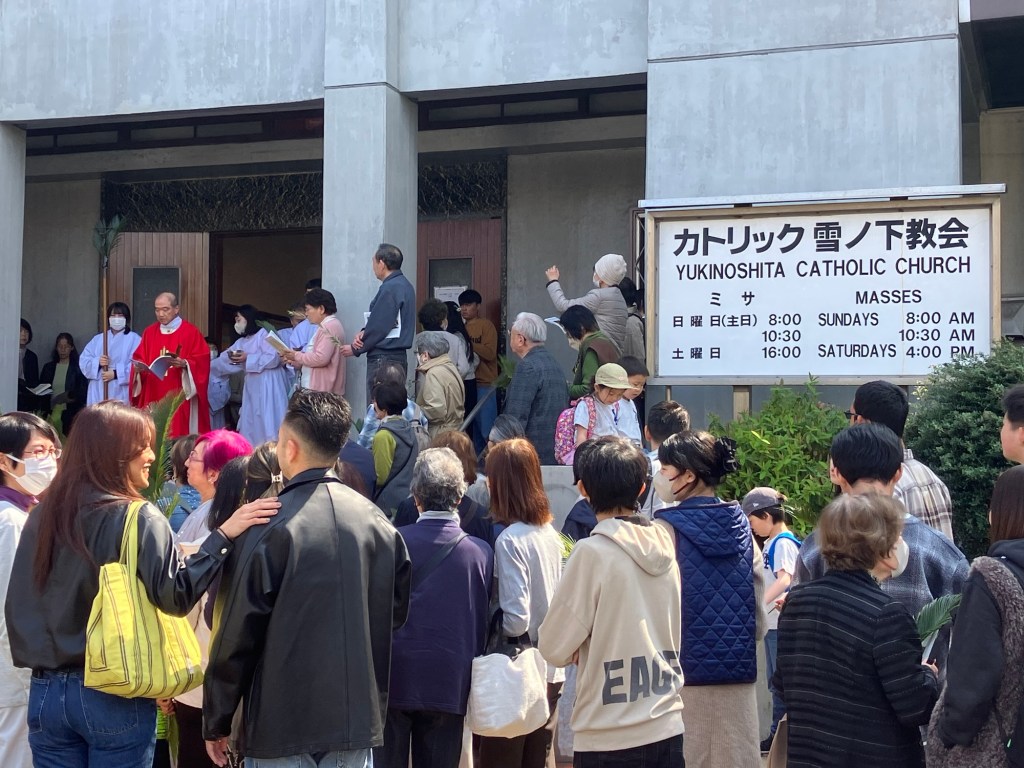
What we did not realize at the time is how rare Roman Catholicism is in Japan: 0.5%, one of the smallest Catholic communities in the world. It was thus a privilege for us to attend.
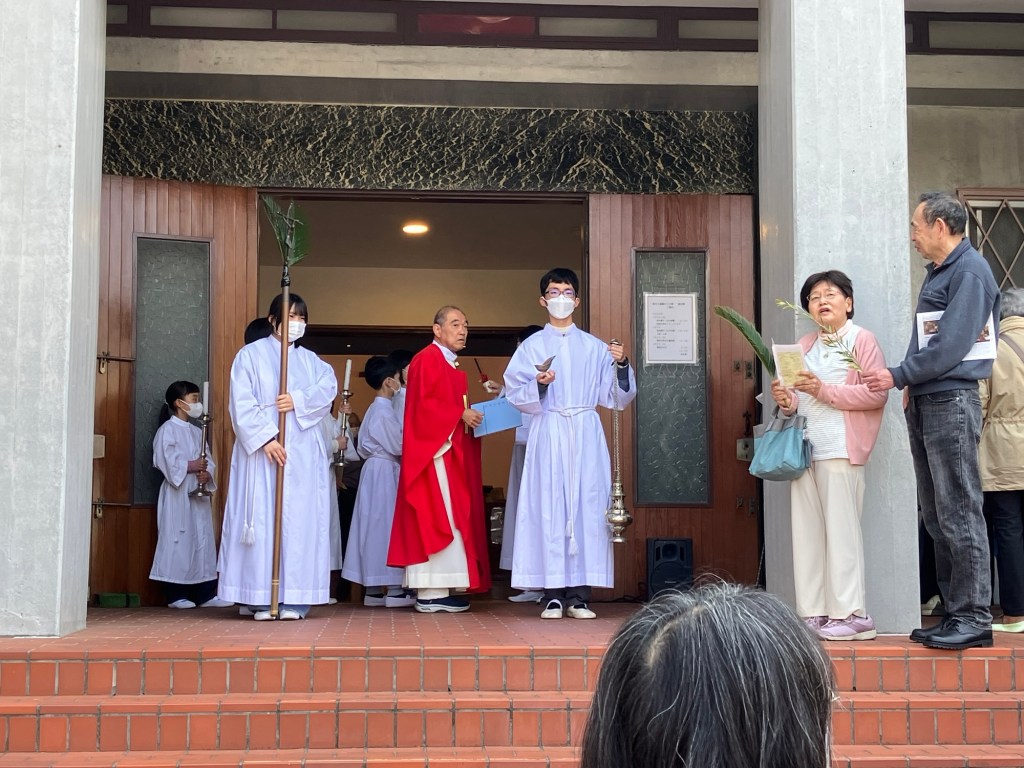
What the swamp of Japan means is that when Japan absorbs western ideas, it twists and transforms them into something Japanese in cultural nature which means in this case, shades of Buddhist and Shinto rituals are evident in the Mass.
Japanese culture traditionally emphasizes:
- shame over guilt
- harmony over individual conscience
- community before self
This changes how Catholic teaching is understood here. Confession tends to be less psychological, more formal. The emphasis is often on not disturbing social harmony rather than internal moral crisis.
Very interesting. This is something Shusako Endō explores in his 1966 book Silence which Martin Scorsese made into a 2016 motion picture film.
The metaphor of Japan as swamp means it’s easy to get sucked in and hard to get out. People use “沼” (numa) to describe any hobby that becomes an obsession (anime, J-pop, idols, games, manga, figure collecting, etc.). Japan, with its huge pop-culture ecosystem, is jokingly called a **“swamp” that traps you.”
So watch one anime → you get hooked. Buy one figure → suddenly you collect ten. Visit Japan once → you keep going back
This is playful internet slang, not an insult. And it’s very true.


 mattersofthemoment