






Filed under Uncategorized

We Christians are on a spiritual pilgrimage to Bethlehem during the season of Advent. Advent means “coming” and we are indeed waiting for the coming of Lord Jesus – the birth of the Son of God, in Bethlehem.
We learned from the guest homilist on EWTN today, Fr. Glenn Sudano CFR, how St. Francis of Assisi was so taken with the Incarnation of God as Man – how could almighty God humble himself so much as to become a lowly human being who sweats and eats and sleeps just like you or me? He added that it’s like a human deciding to become a slug in order to enter the slug world and make some improvements. However in this case, humans have much more in common with a slug – we eat, breath, drink, make a mess – than does an omniscient God have with us.
Jews and Muslims alike he went on, are incredulous that Christians believe that our omnipotent God, lowered himself so as to become a mere human. I confess that I never thought of it this way before. So the Incarnation of the Word as flesh, is indeed even all the more incredible!!!
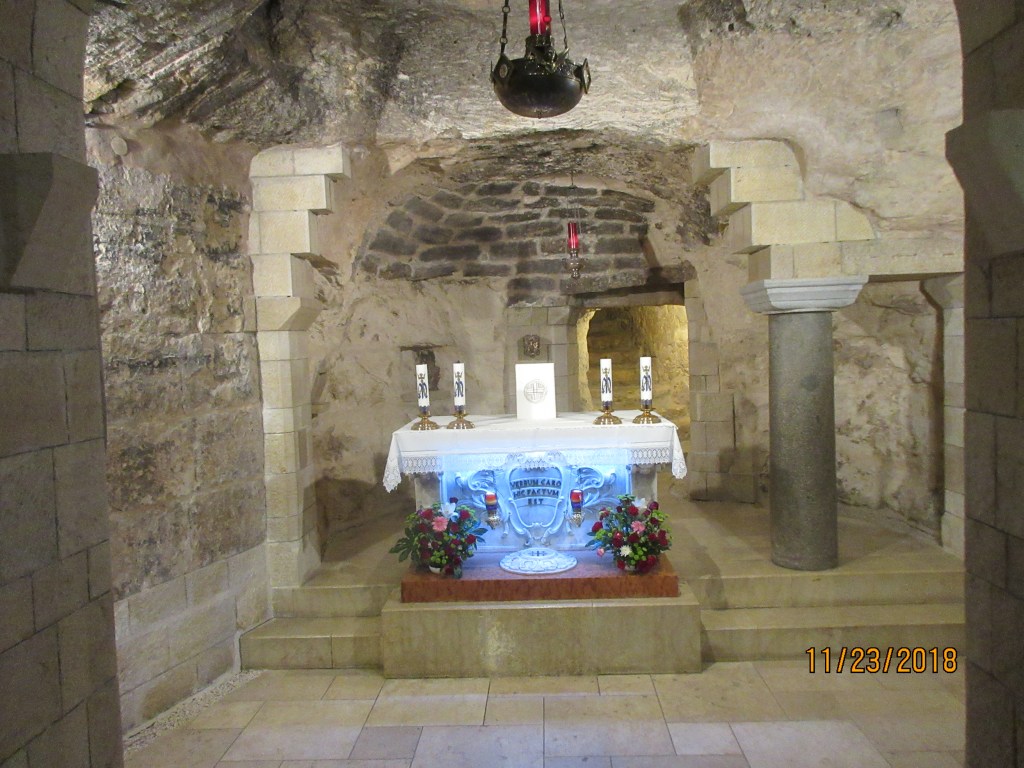
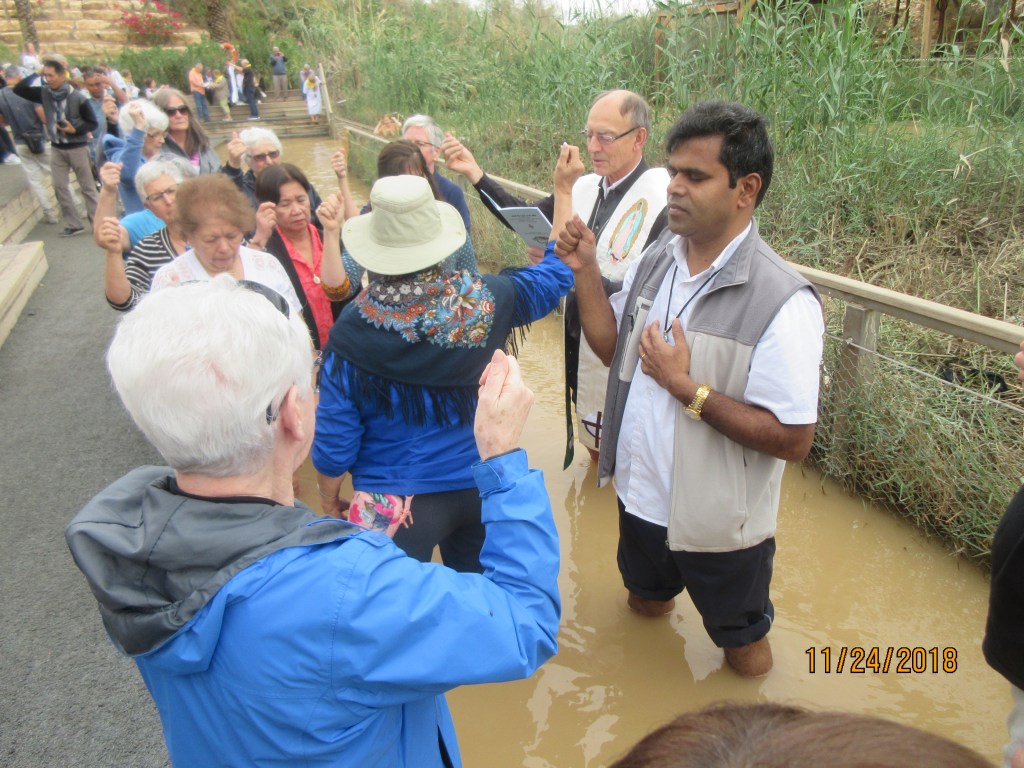
Last year we went on a OMI led group pilgrimage to the Holy Land. I will never forget the sacred sites we visited, what we saw and how we felt there. These holy memories are all the more present as we enter the 2nd week of Advent, on our journey to Christmas.
Yesterday we treated ourselves to the Arnprior Community Choir’s Sing Noel concert at the local Pentacostal church. It was a fantastic sold out experience of energy and talent – a joy to behold. It was nourishing food on our pilgrimage to Bethlehem. Perseverance, perseverance, perseverance.

Isaiah’s question, “Is there anyone around who knows God’s Spirit, anyone who knows what he is doing?” has been answered: Christ knows, and we have Christ’s Spirit.
I Corr. 2:16
Come Lord Jesus.
Filed under Uncategorized
Filed under Uncategorized

Everyone. has to die once and then face the consequences.
Hebrews 9:27




Filed under Uncategorized
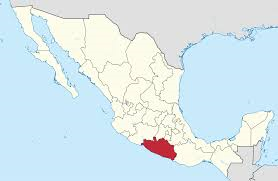
Guerrero is one of the most dangerous and crime ridden states in Mexico. According to Wikipedia, “The Guerrero State is listed as Level 4 – Do Not Travel by the United States Department of State stating armed groups operate independently of the government in many areas of Guerrero. Members of these groups frequently maintain roadblocks and may use violence towards travelers. Violent crime, such as homicide, kidnapping, carjacking, and robbery, is widespread. The U.S. government has limited ability to provide assistance here. It is recommended that nobody travel to Guerrero if possible.” Acapulco as a tourist destination is out.

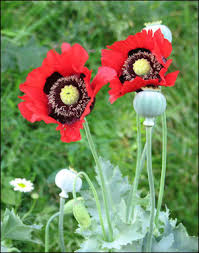
The main reason for this area’s carnage is massive poppy cultivation in the local hills. The poppy species grown here is a major source of opium which is used by the local drug cartels (known as Narcos) to produce heroin, which they then export to the U.S. In July of this year, Mexicos’s President, Andres Manuel Lopez Obrador (AMLO) announced that the government will provide marketplace price supports for corn and other grains as part of a strategy to give farmers an alternative to planting these illicit crops.
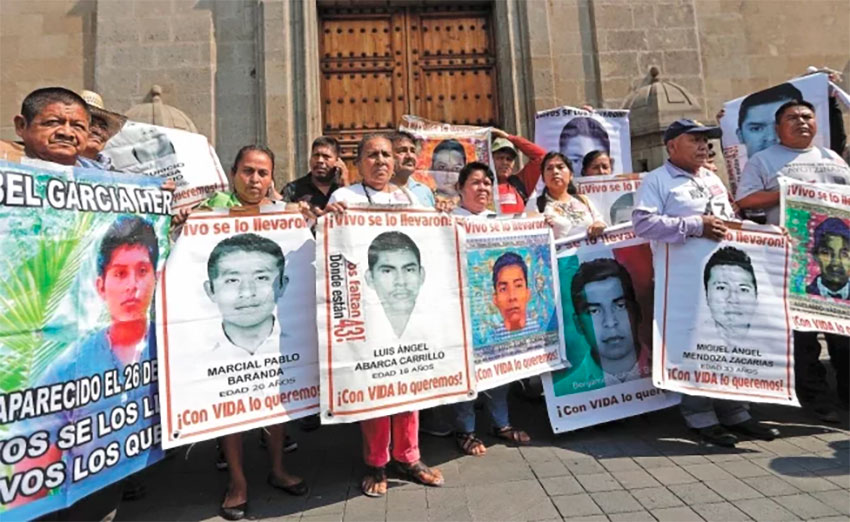
On September 26, 2014, 43 male students from the Ayotzinapa Rural Teachers College in Guerrero were forcibly abducted and disappeared in nearby Iguala. The students annually commandeer several buses to carry them to Mexico City to commemorate the anniversary of the 1968 Tlatelolco Massacre where hundreds of student protesters and onlookers were shot by the army.
Well this year was different. Paul Theroux speculates that the bus the 43 students commandeered happened to be full of hidden illicit drugs. The corrupt local authorities took this as an affront and ordered municipal police to abduct and kill the students. The government tried to blame the whole thing on a local crime syndicate who supposedly had mistaken the students for rival cartel members. No one accepted this story line. The perpetrators and their motive remains unknown.
To this day, not a trace of the 43 missing students has ever been found. Their parents demanded again this week that police involved in the disappearance and the officials who botched the original investigation, face justice.
As Paul mentions in On the Plain of Snakes, when an oppressed group in Mexico airs a grievance, it doesn’t mumble. It takes to the streets with resolve, holds a demonstration in the main plaza, camps out in front of a ministry in a defiant vigil, burns a bus, blocks a motorway. The parents of the 43 missing Ayotzinapa students met with AMLO and gave the federal government 2 more months to produce results, or they will increase the intensity of their protests.
The government claims that it is making progress in the reinvestigation, but objects to the timeframe pressure being imposed. We shall see what happens, as Marie and I will be down there in January when the deadline expires… In the meantime, let us pray that justice is achieved for the parents of these missing sons.

Saludos amigos.
Filed under Uncategorized
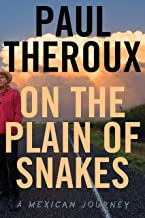
I would like to start a series on Understanding Mexico. They seem to have some serious problems down there. Not sure how far I will get with this as I am not knowledgable about Mexican history, their culture or language. However we do spend winters there and I would like to learn and share more about this beautiful place and people. I am part way through Paul Theroux’s On the Plain of Snakes, A Mexican Journey, and will be using it as my road guide.
The socio-economic problems in Mexico are primarily due to political ones. According to Paul, Mexico was bankrupted in the 19th century due to three major conflicts:
With a bankrupt nation, the only way to sustain political and security institutions is through corruption ie. instituting an inbuilt bribe tax. What this means is that in Mexico, you cannot distinguish the good guys from the bad ones. For example the police are paid very low wages in Mexico and some are known for “shaking people down” – namely insisting on a cash bribe or you will be locked or roughed up. Hence some police are not there to serve and protect as we know it in Canada, but rather perhaps, to line their own pockets to pay their bills. The other side of this is that if you have or will be committing a crime, you can pay some police to look the other way. Frightening, isn’t it?
The next part of the equation is that America criminalizes drugs like cocaine, heroin, even marijuana. This creates a huge market for illicit drugs that Mexico is happy to supply. Drugs flow north, money and guns flow south. The drug gangs referred to as “the Mafia” by locals control this trade and are not willing to give it up without a fight. Hence the extreme violence between the drug cartels and anyone else caught in the middle.
Bring in the military to a region and the killing rate goes up. This is exactly what happened in Ciudad Juarez across the border from El Paso, TX a few years back. The military are expert killers and not accountable for who they target. In fact, Theroux says the drug cartels hire ex-military staff precisely because they are such good killers.
So what is good about Mexico other than the weather? Why even risk going there you might ask? It is because the average Mexican you meet, faced with all this institutional dysfunction, becomes very self-reliant, family focussed, more religious, entrepreneurial and charitable, willing to help others, since they can’t count on the police or government for assistance.
As the saying goes within the expats community “Once the dust of Mexico settles on your heart, you can never go home.” We too have found this to be very true.

To be continued. Saludos, Dave
Filed under Uncategorized
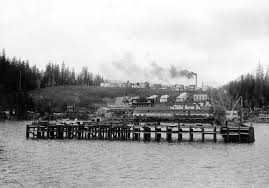
Ioco (Imperial Oil Co) Refinery was built in 1914 in Port Moody (Vancouver), BC and closed in 1995 when it was converted to a petroleum products terminal. I worked there as a chemical process engineer from 1974-78. It was the best of times, it was the worst of times.
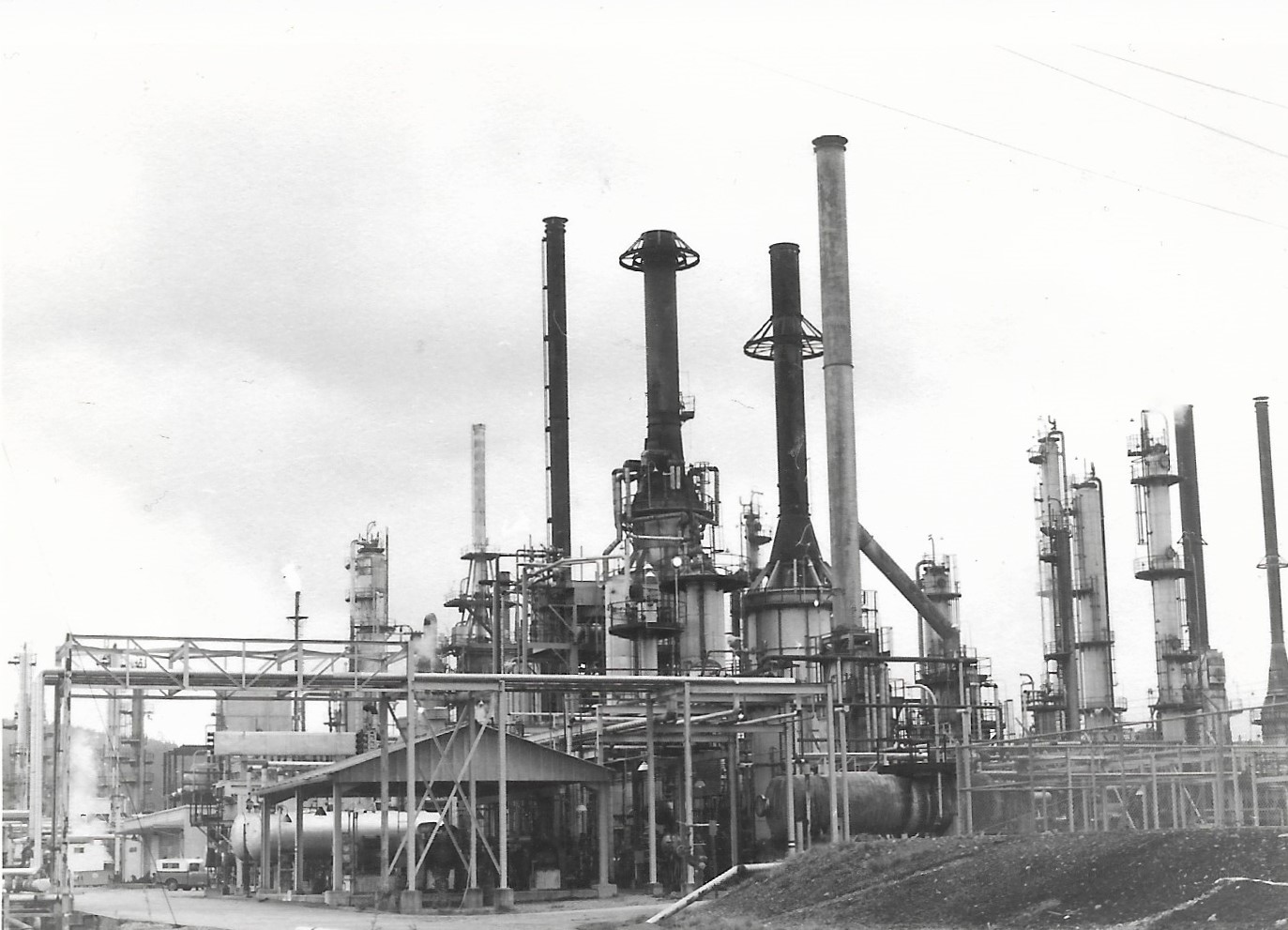
The refinery converted 40,000 bbl/day of light Alberta crude oil to a wide range of products including gasoline and diesel fuels, aviation and marine fuels, home heating oil, propane, butane, bunker fuels, asphalt and specialty chemicals like xylene. Crude oil arrived by pipeline; products were shipped out via pipeline, truck, rail, ship and barge. As such it was a small medium complex refinery. The diagram below is indicative of this facility. We did not produce petroleum coke or hydrogen.

I was contact engineer for the crude distillation unit and then subsequently for the amine treating and Claus sulfur plant. As contact engineer I was responsible for monitoring and reporting on the operation, dialoguing with the operators and equipment techs on issues as well as for special projects such as optimizing the thickness of insulation to install on heated oil tanks, designing pumping and product blender installations, etc. Below is the actual flow plan for Ioco Refinery prepared by Art Quan, P.Eng in 1974.

A good part of the job was problem solving. We were taught that “A problem is a deviation with a cause unknown.” We were given lot’s of training on how to solve problems. Example problems: “We are flaring off too much propane this week because the capacity of the merox treater is down;” or, “The output of the sulphur plant is low because we can’t control the air to H2S ratio accurately.” Fix it! You get the idea.
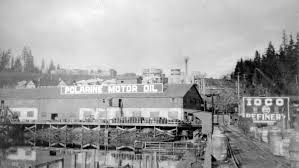
I remember my first day, entering the control room glittering with controls and screens, slide rule and text book in hand, thinking I was going to change the world. The operator looks up at me and scowls to himself, “not another green engineer that I’ll have to break in.” Well I quickly learned to be humble, ask questions, build trust and gradually the operators would open up and tell you what the problem was from their perspective e.g, “I can’t increase the flow to the crude unit without the safety valve blowing on the distillate recycle tank. Maybe the safety valve pressure setting should be checked.”
Once the Oil, Chemical and Atomic Workers union went on strike. I think it was over the imposition of wage and price controls by Pierre Trudeau. Well we engineers and management staff took over operating the refinery. I remember working 7 x 12 hour midnight shifts in a row. We would walk around the units checking the colour of a gauze indicator pinned to our jacket. If it started to turn brown you were in danger of being gassed to death by H2S. I got so tired and stressed out I had an anxiety attack and quit smoking for awhile. Probably a good thing, lol.
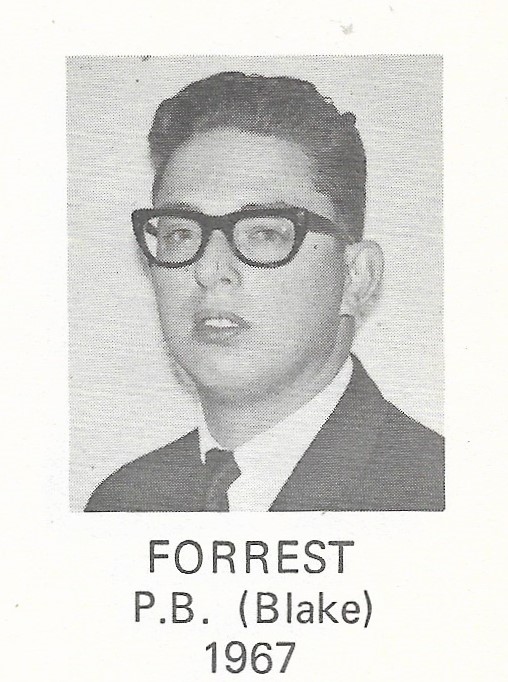
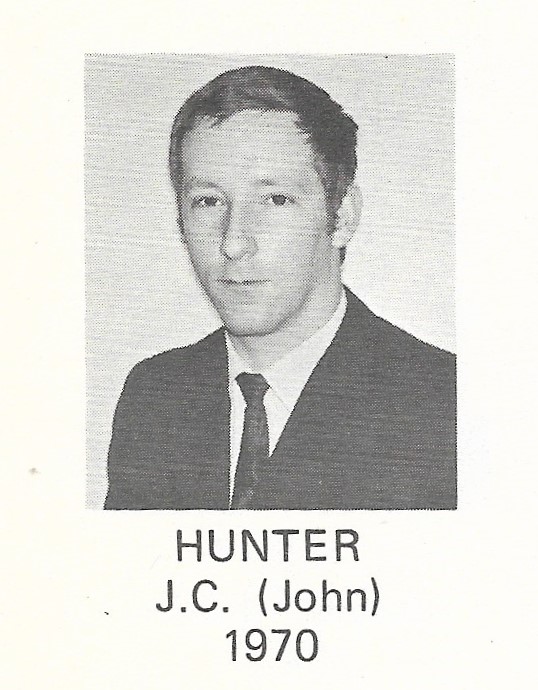
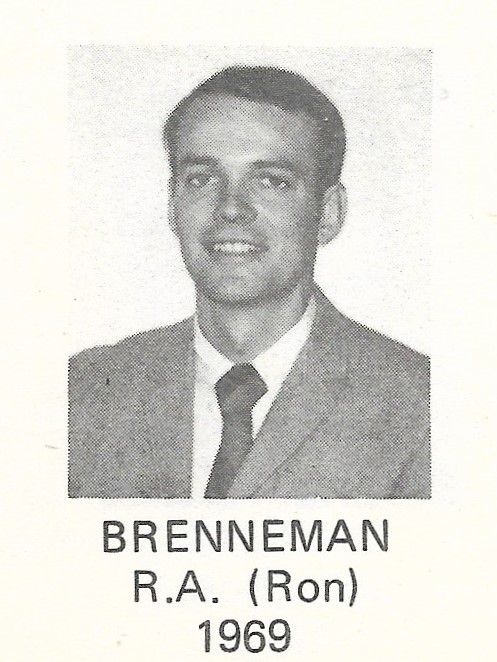
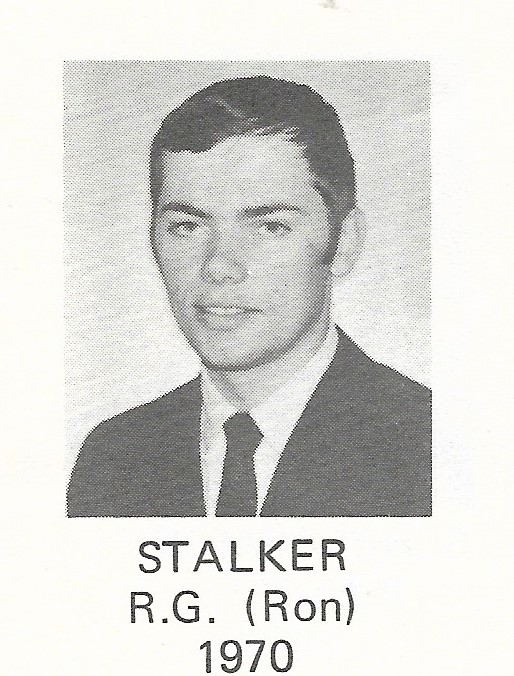
The best thing about working at Ioco was the people. I made so many friends there. We skied together, golfed, fished and partied. We had fun and felt a real calling to working there. I worked with some great engineers like Ron Brenneman who went on to become CEO of Petrocanada. Ditto Brant Sangster who became VP Marketing at Petrocanada. I met good friend Greg Walther who went on the manage the Coastal Refinery operations in Corpus Christi, TX. I remember working with John Hunter, a good engineer; Blake Forrest who was bright and good natured; senior engineer Les Gould who mentored me; supervisor Peter Ambrose who moved on to Syncrude; Bob Runge in the instrument shop; Ron Stalker chief of inspection who went to the same high school I did, became chief inspector at CITGO in LA and has passed away now; Ken Blowey (where are you Ken, people have been trying to reach you); supervisor Art Quan, Barry who I went fishing with (here fishey fishey) and Marilyn and Shelley in the office. Also refinery fire chief Al Sholund who authored local history including about Ioco oil tankers.
I also remember working with Chuck Chang who moved on to BC Hydro Gas, Eric Brown and Michel Poliquin in the computer group, Al Matsumoto with Reid Crowther Engineers, good friend Neil Nicholson from Newcastle on Tyne who moved back to the UK, Roy Warnock who went to Bechtel, Edmonton, Tom Mitchell who transferred to Dartmouth Refinery (and then worked with my university class buddy Gerry Sullivan as the CEO of Open Corporation) and, a slew of others. (If any of you and any other Ioco colleague I failed to mention are reading this please drop me a comment – thanks!)
Imperial Oil was and is an extremely well managed company. However it is a tough company not unwilling to make changes which affect people. After 4 years at the refinery, I moved to their Product Distribution Division for another 4 years.

About the demise of Ioco Refinery. Remember that pipeline, the Trans Mountain that brought crude oil from Alberta? Well turns out it can also bring refined product. In 1976, Imperial built a brand new state of the art refinery in Edmonton. The Strathcona refinery was huge, first 120,000 bbl/day, then 165,000 bbl/day and now 187,000 bbl/day capacity. In 1995, Imperial Oil decided to shut down the relatively inefficient Ioco Refinery and ship refined petroleum products by pipeline from Strathcona and some by rail to Vancouver from Alberta. The cost of the landed product is less this way. So Ioco Refinery was permanently shutdown and dismantled at the end of 1995. A sad day for the hundreds of skilled employees that worked there for sure.
Two other Vancouver refineries were shut down leaving only one in operation (Parkland Fuels Corp.) Fast forward to 2019. The population of British Columbia has grown immensely, particularly the Lower Mainland. There is now a shortage of refined product which is filled by imports from Washington State. There is an industry perceived need for a new refinery to be built in Vancouver but the political, social and environmental forces arrayed against this are huge. Meanwhile, massive traffic jams, slow commutes, unaffordable housing and high priced fuels are common here.


I am all for a greener future but we have to stop driving our fossil fueled cars, make better use of solar and electricity to heat our homes, take public transit more often, stop flying, cruising etc. Thanks for all those memories Ioco friends, you are not forgotten. In the moment, what do you think about the oil industry, pipelines and how we can ensure a greener future?



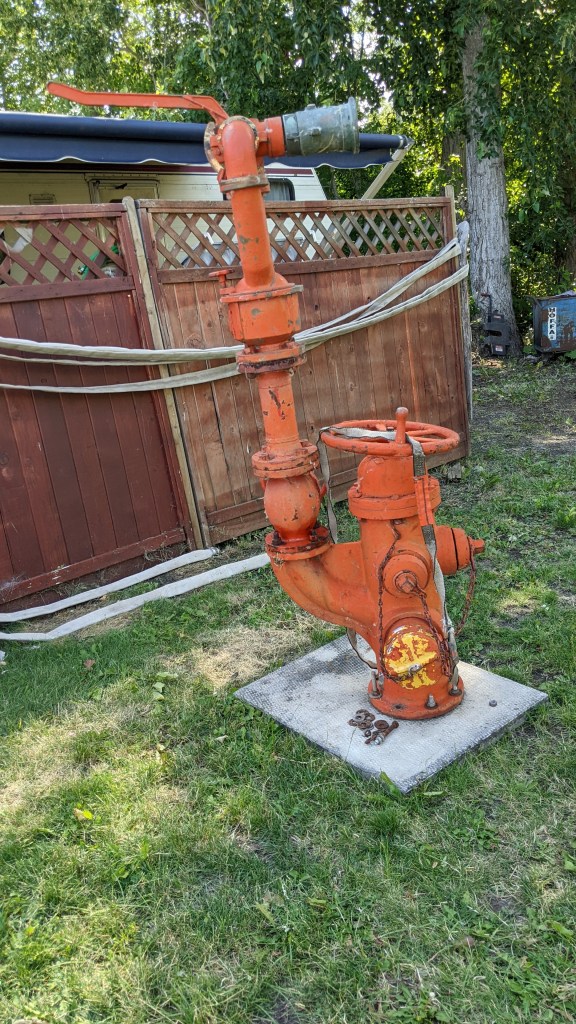
Bob Lindley recently sent me the above photo of an Ioco fire hydrant destined for the metal dealers dump that he rescued. I wonder if it was ever used other than for training and maintenance? Thanks Bob. Do you live near Ioco and/or, did you work there?
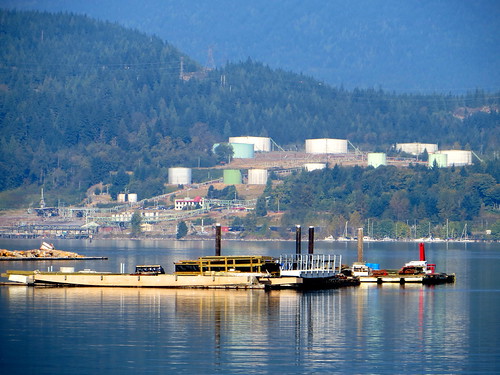
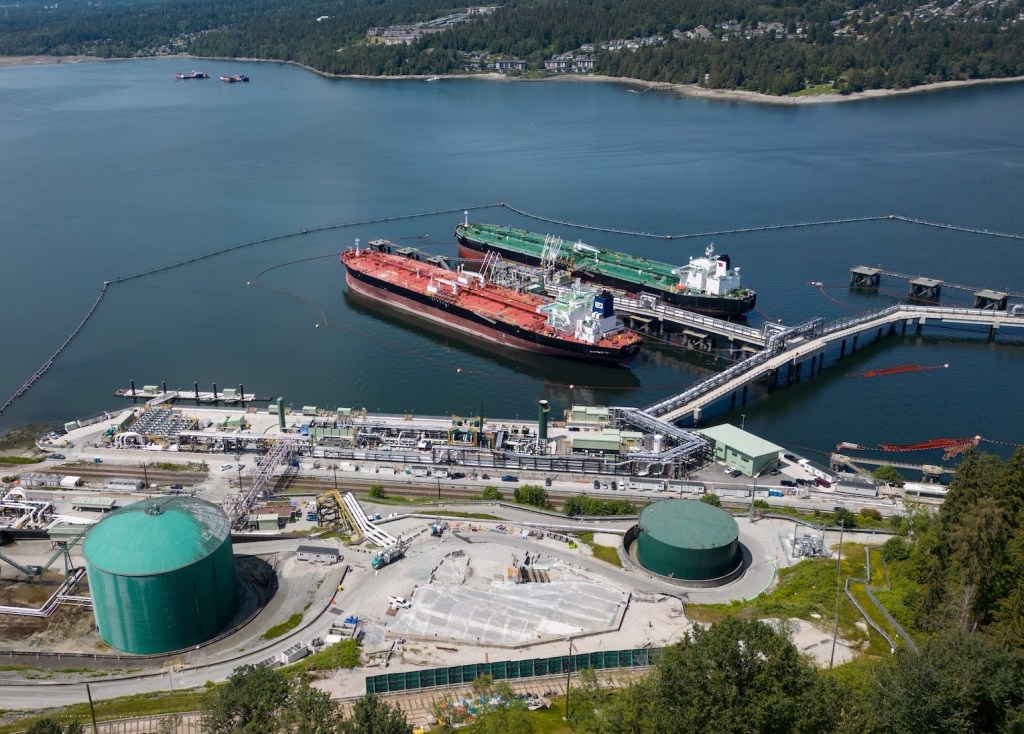
I am adding this recent photo of the Trans Mountain Pipeline marine terminal in Burnaby courtesy of the Globe and Mail. Apparently they are dredging Vancouver harbour so that the crude carrying ships can be loaded to 100% capacity vs. the current 70%.
Filed under Uncategorized
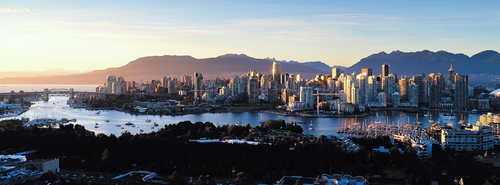
| We disembarked the Westerdam efficiently. However Dave had now picked up the head cold that Marie and everyone else on board got. We picked up our rental and were soon on our way to North Van in some light showers. We have been to YVR (Vancouver) several times before and Dave had lived here after university graduation, many years ago. |

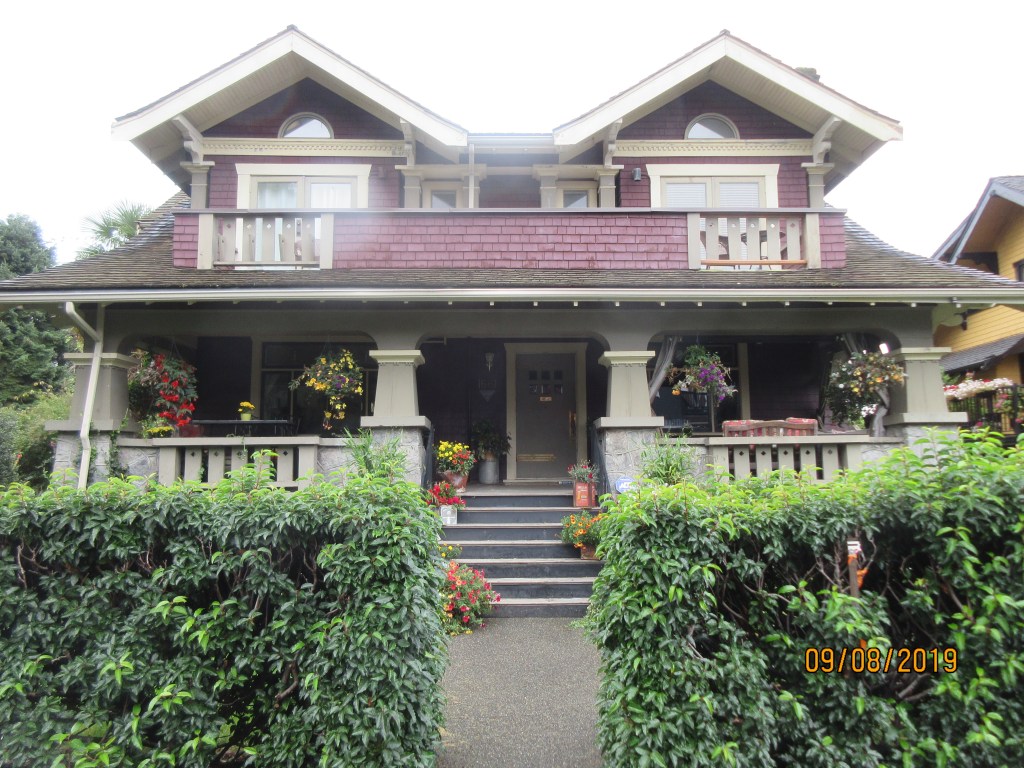
Finding our way to 1053 Lillooet Rd, Dave’s old residence, was tricky due to all the new condo development. There is a Holiday Inn where the Coachhouse Inn used to be. Took a few photos and chatted with the people across the street, who incredibly had also lived in 1053. They said this place would fetch 450k now more than 10 times what it was worth back in the early 80s. It’s a small 2 bedroom condo.

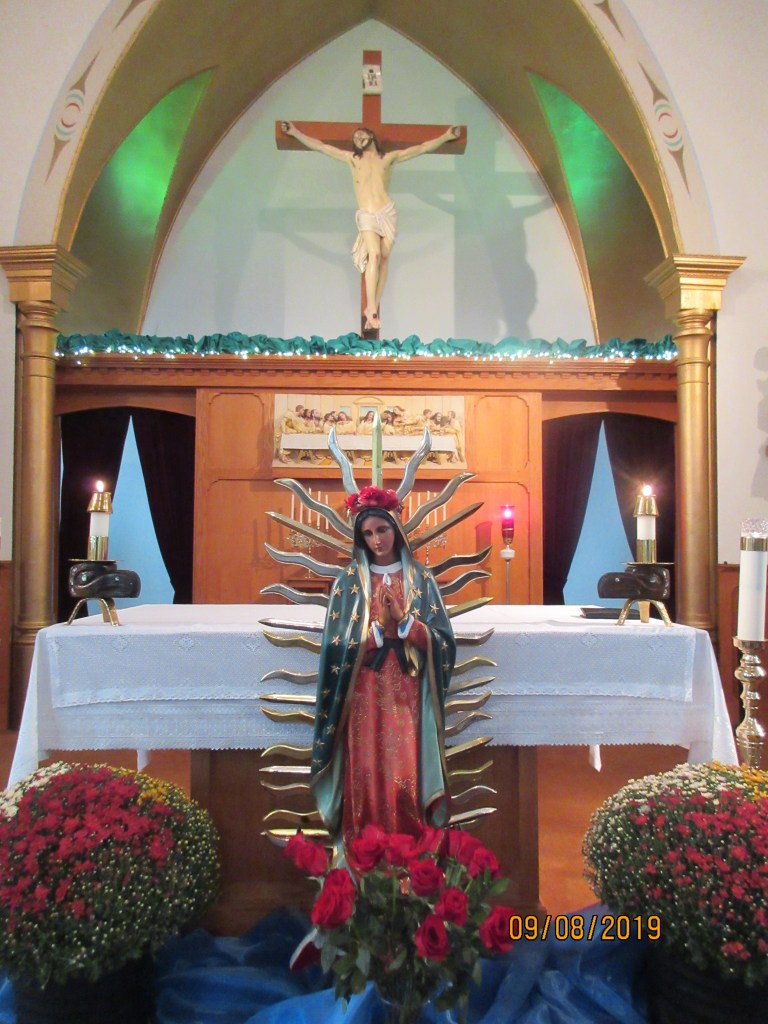
We then made our way to North Van St Paul’s Church to say hi to Fr Tap Kurideepan. OMI. It is a heritage Squamish First Nation mission church that has great spirit and is going strong. We drove across the Lions Gate Bridge and found the Oblates residence called Pandosy Place in the heart of Kitsilano. Fr Robert Smith, OMI greeted us warmly as did Fr Jim Bleakley, OMI. It was Mary Immaculate’s Feast Day to honour her birthday. We were treated to a Liturgy of the Word followed by a social and dinner. Pandosy Place is named after Fr. Charles Pandosy, OMI who achieved folk hero status in B.C. after a life of itinerant ministry to first nations and settlers in the Okanagan Valley in the 19th century.


The next day we hit the road again and visited Dave’s old Imperial Oil work haunts in Burnaby and Port Moody. We drove by the Trans Mountain Pipeline Terminal. Judging by the construction going on there, they are expecting imminent approval despite the latest court challenges.
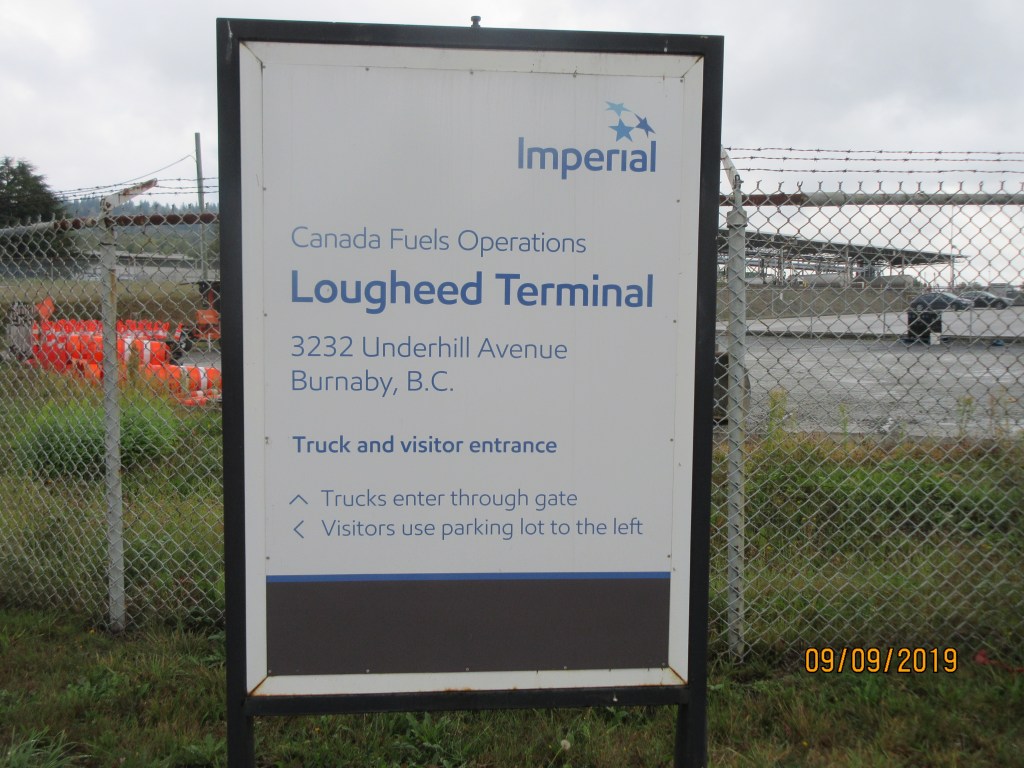

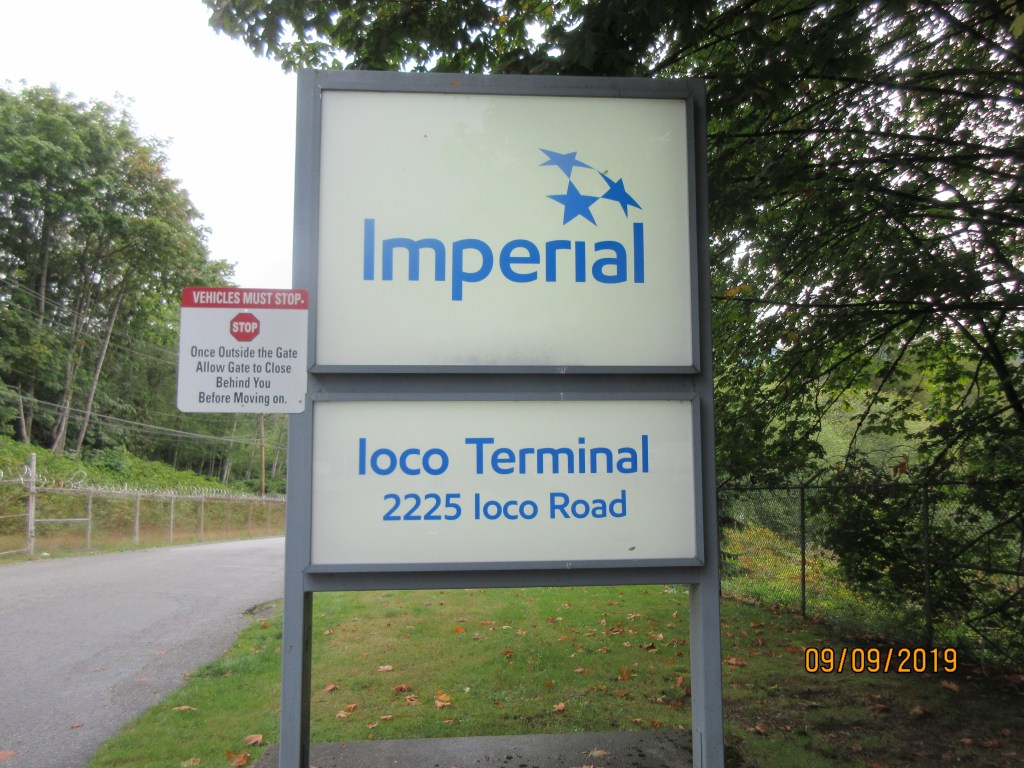

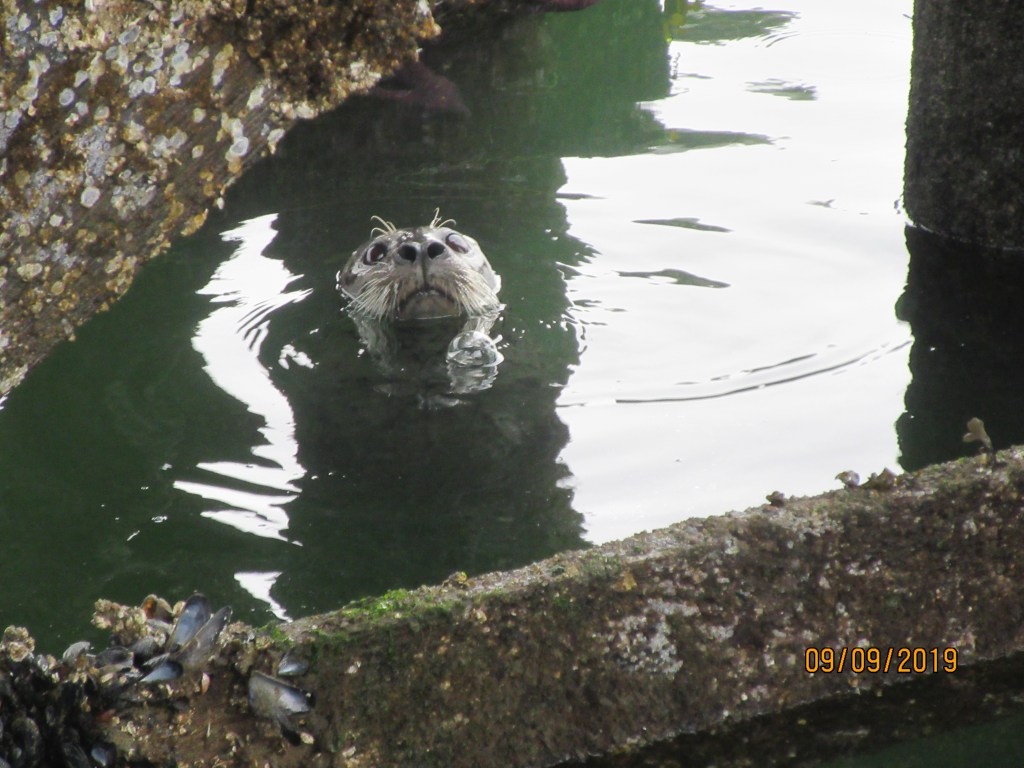
We drove up past Ioco to Belcara Park on Burrard Inlet and watched people fishing for crab. It was so peaceful and mystical. Returning home we opted to go out for dinner on W 4th Ave to avoid contaminating the 7 elderly Oblates living in beautiful Pandosy Place.

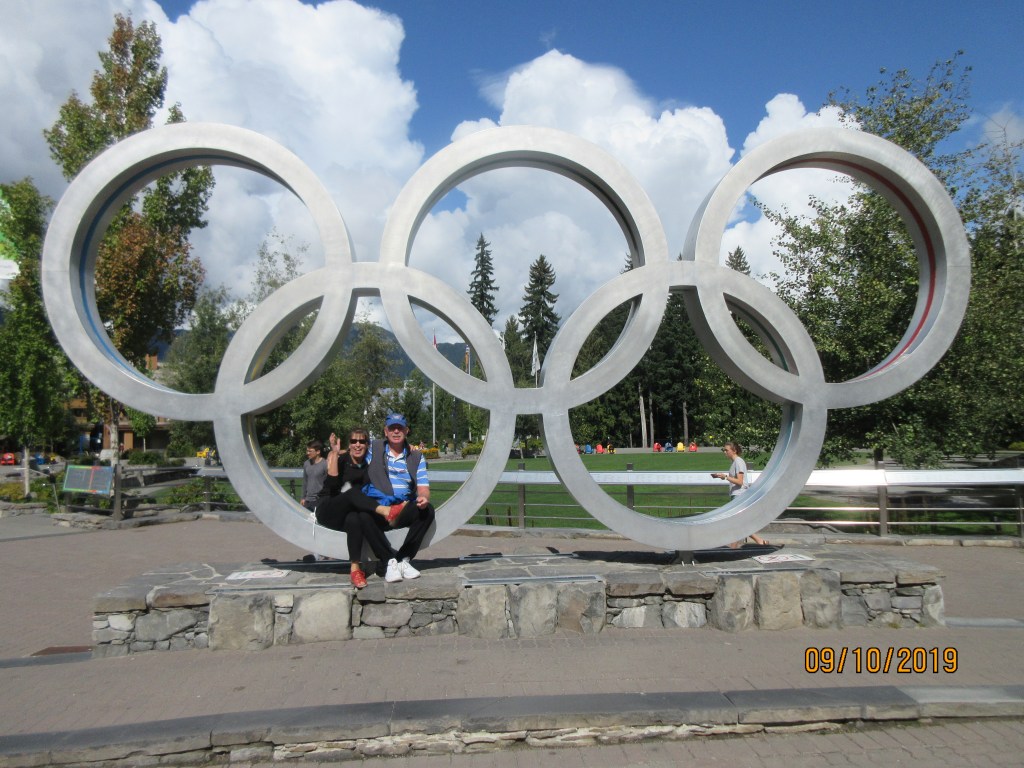
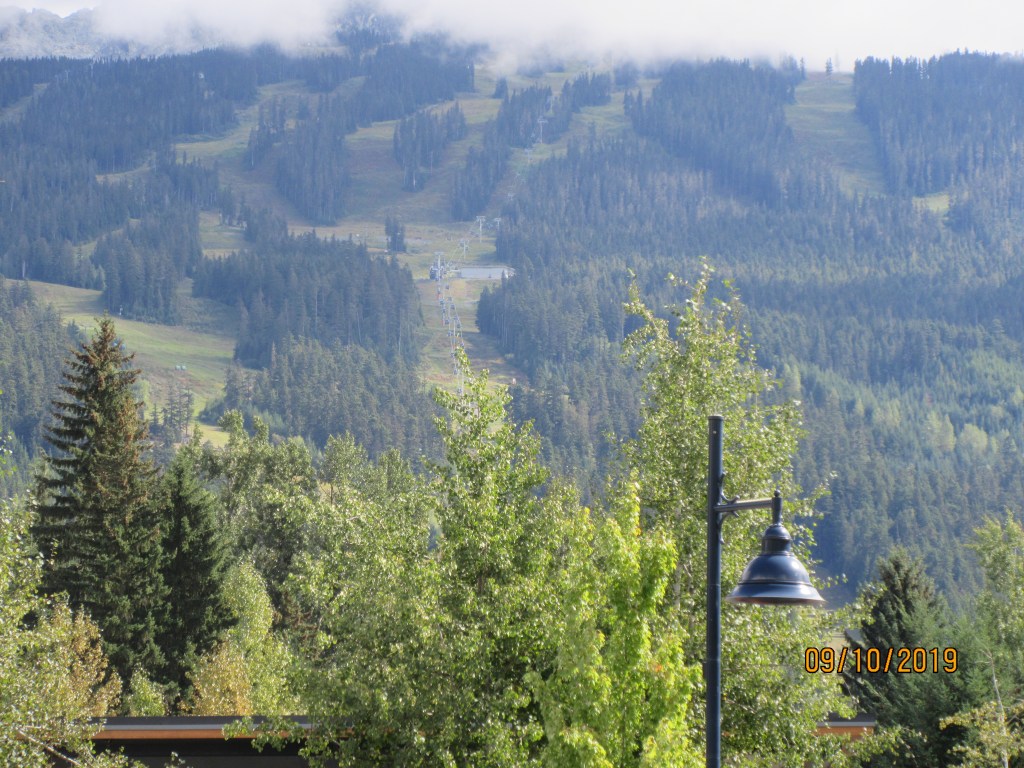
The next day was sunny so we drove up to Whistler along the beautiful Howe Sound. The highway has been twinned and greatly improved since the mid 1970s when Dave used to drive it in winter. We walked around Blackcomb and Whistler villages marveling at the world class resort this has now become. Visited the Olympic Centre and then headed home. Dave was still suffering from the head cold he got on the cruise. Marie was finally better.

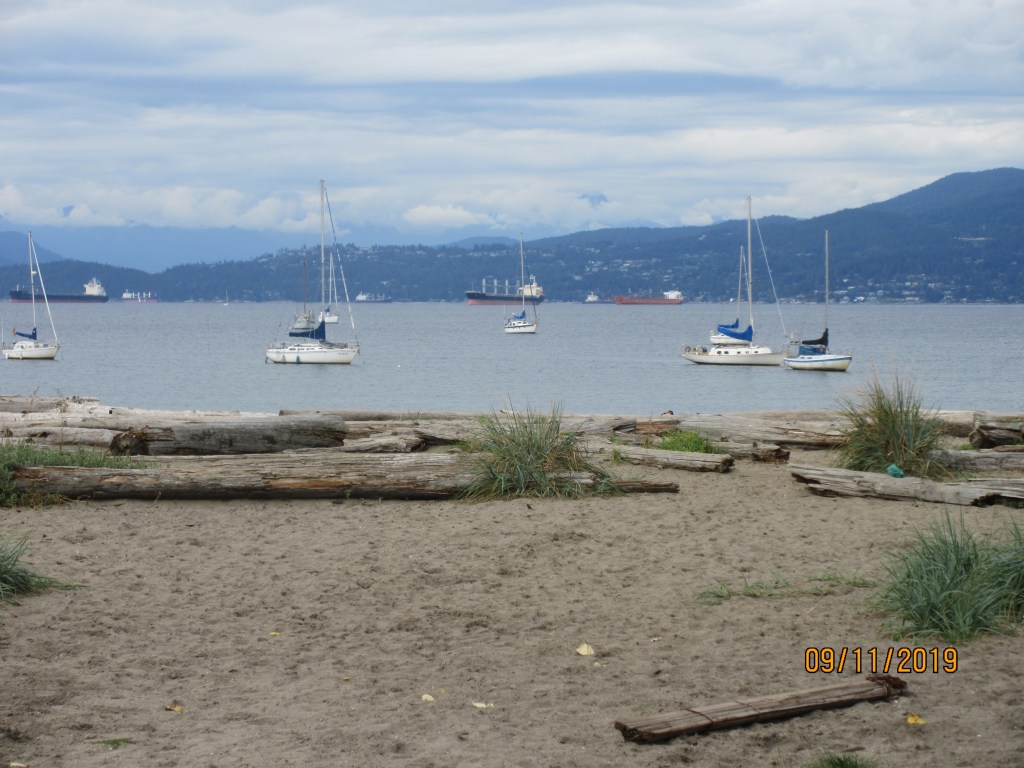
Our last day we headed for Granville Island on foot, walking the Greenway path right next to our residence. Dave remembers when they opened this giant marketplace in 1979. It consists of shops, restaurants, a market and nautical service outlets all crammed into what is a former industrial site. State of the art back then it still looks pretty good now but is very crowded with tourists all the time. We took a longer walk back via Kitsilano Beach, our holiday here now almost over.

We are ready to go home sweet home. After Oraison (group silent prayer) we had a social hour with Frs. Robert, John, Gilbert, Vince, Oliver, Jules, Andrew and 2 others. It was great followed by dinner and laughs. We felt so welcome and honoured by our Oblate hosts, getting to participate in their daily prayerful lives.


The next morning we said our goodbyes and had an uneventful trip home. Our colds finally gone, thanks be to God.
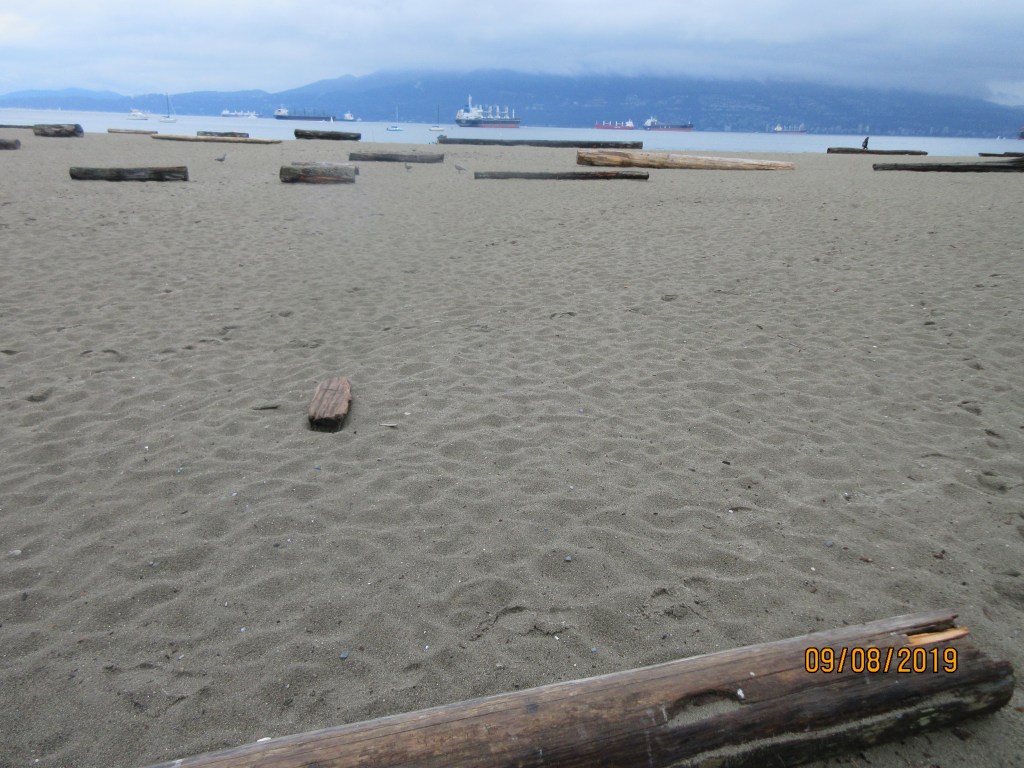
It was a visit down memory lane – some good, some not so good. Thanks for reading.
I will be following this post up with one about the demise of Ioco Refinery and related issues.
Filed under Uncategorized

| (You will very likely be happy to know this is the last posting about this cruise.) Our last sea day on board the Westerdam was enjoyable. They offered an Alaskan king crab with salmon lunch for previous Holland America (HAL) cruisers which was excellent. They gave us nice ceramic HAL coasters as gifts. Then we did a 5k walk for cancer research (10 laps on the Promenade deck). The captain gave an interesting talk about bridge controls and ship features. We learned that the Westerdam cost $450M to build 15 years ago and weighs 86,000 metric tons. It has 2×13,500 HP azipod stern thrusters which can rotate 360 deg, 6 bow thrusters to help in docking and 2x25x8ft stabilizers which act like wings to level the ship. On our way out we saw the moment on TV when Torontonian Bianca Andreesku beat Serena Williams in the 2019 US Open Tennis final. Yeh Canada! |
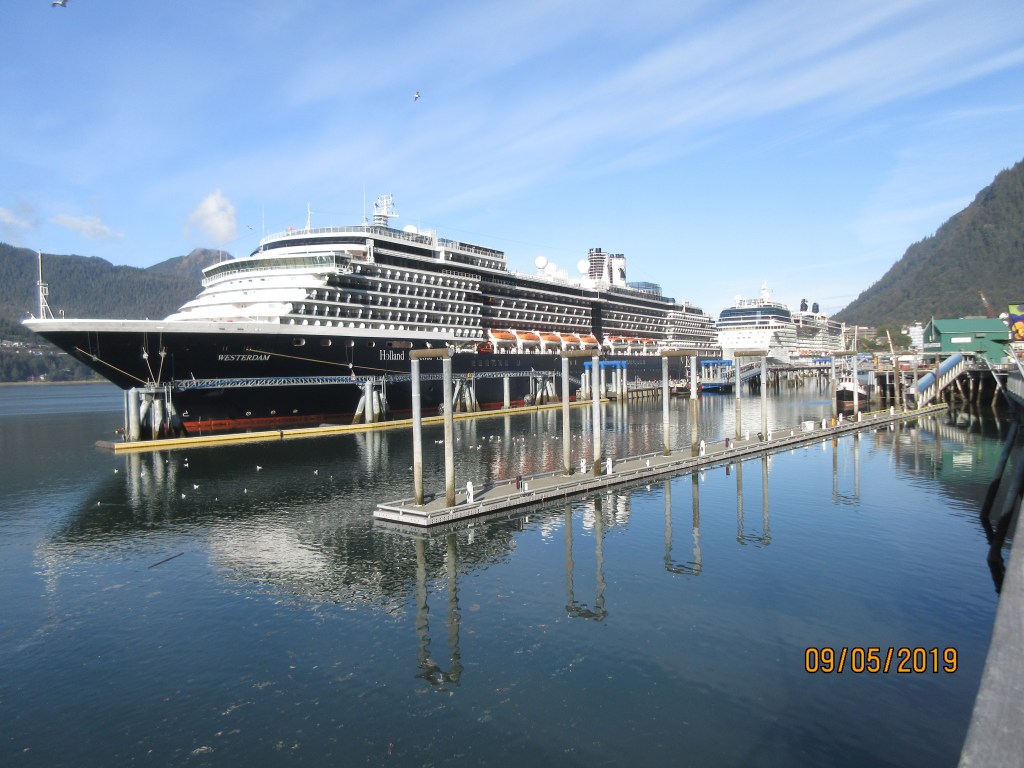
Overall we enjoyed this Holland America (HAL) cruise but perhaps not as much as past Oceania and Celebrity Cruises we have taken. Holland America is a mass market cruise line that draws cruisers who tend to prefer the more traditional ways of cruising. There is less buzz. Founded in 1873, Holland America has a long history and a steady following. Opinions abound that ever since Carnival Corp’s takeover of HAL years ago, quality seems to be sliding in an effort to cut costs.
Keeping everyone healthy onboard is always a big challenge. We noticed there was no enforcement of hand sanitizer use upon entering the Lido/MDR nor was there a personal health disclosure form that each passenger had to fill in upon boarding. Both these practices were in force last year on Oceania Cruises on our Baltic cruise. We appreciated that there was a Catholic priest onboard offering daily Mass. This a common practice on HAL and very rare elsewhere.
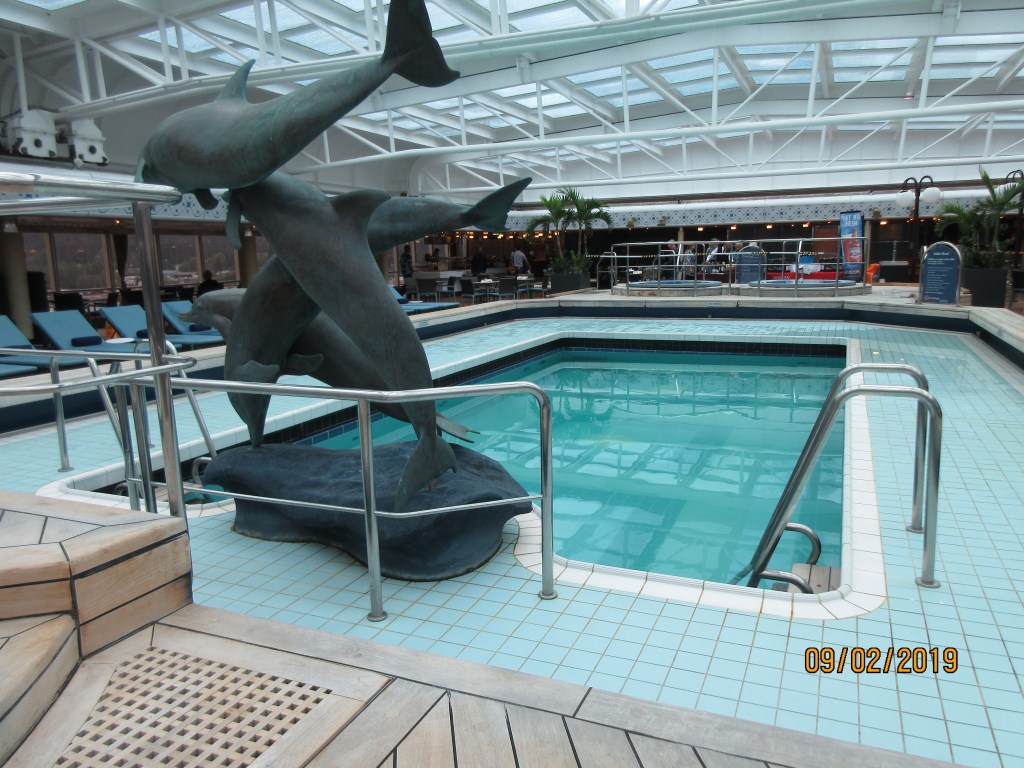
People were calm and polite onboard. Staff were extremely friendly, polite and well trained. They really try hard to please and seemed generally happy working for HAL. The itinerary and weather were generally good. The food in the Lido (buffet restaurant) was disappointing. Eg, all types of fish tasted the same and was overcooked, side plate salad appetizers looked rather unappetizing. Food in the dining room was good to excellent, arriving just a bit cool sometimes. The Westerdam ship was adequate and very clean but at 15 years old, is showing it’s age in our view. We absolutely loved our aft balcony cabin which gave us a 270 deg view. Highly recommend aft balconies! Pool and hot tub were good as no one else was usually there.

By the numbers:
Ratings (Marie’s – Dave’s)(out of 10)
Would we cruise on HAL again (this was our 2nd)?
– not likely, but never say never
Would we cruise Alaska again?
– not likely (too much like NFLD for Marie and like YVR for Dave) plus, we prefer warmer climate cruises.

Thanks again for travelling with us. If you haven’t cruised yet, perhaps you would like it too.
Hope to see you out and about soon.
Marie and Dave XOX
Filed under Travel, Uncategorized


We awoke on day 4 docked next to downtown Juneau, the capital (pop 33,000). You cannot drive to get here – only boat or planes connect it to the outside world. Tall hills tower above us as the Celebrity Eclipse parallel parked in behind us. The Norwegian Jewel was also in. Sharron called to say she was finally good to go!
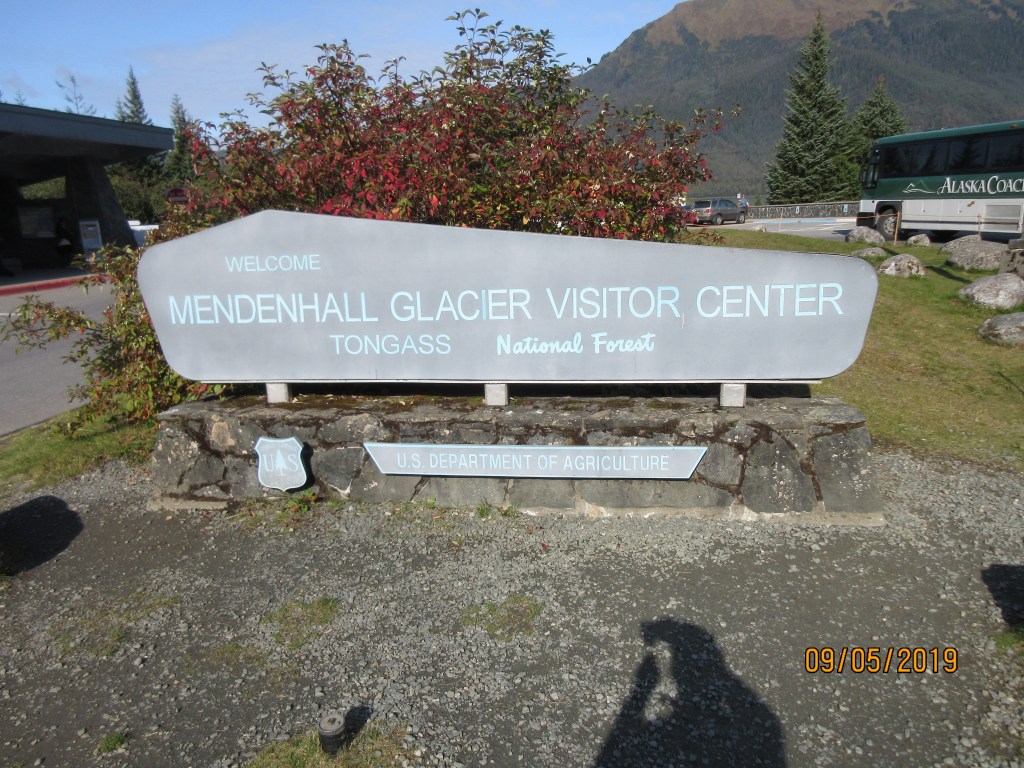
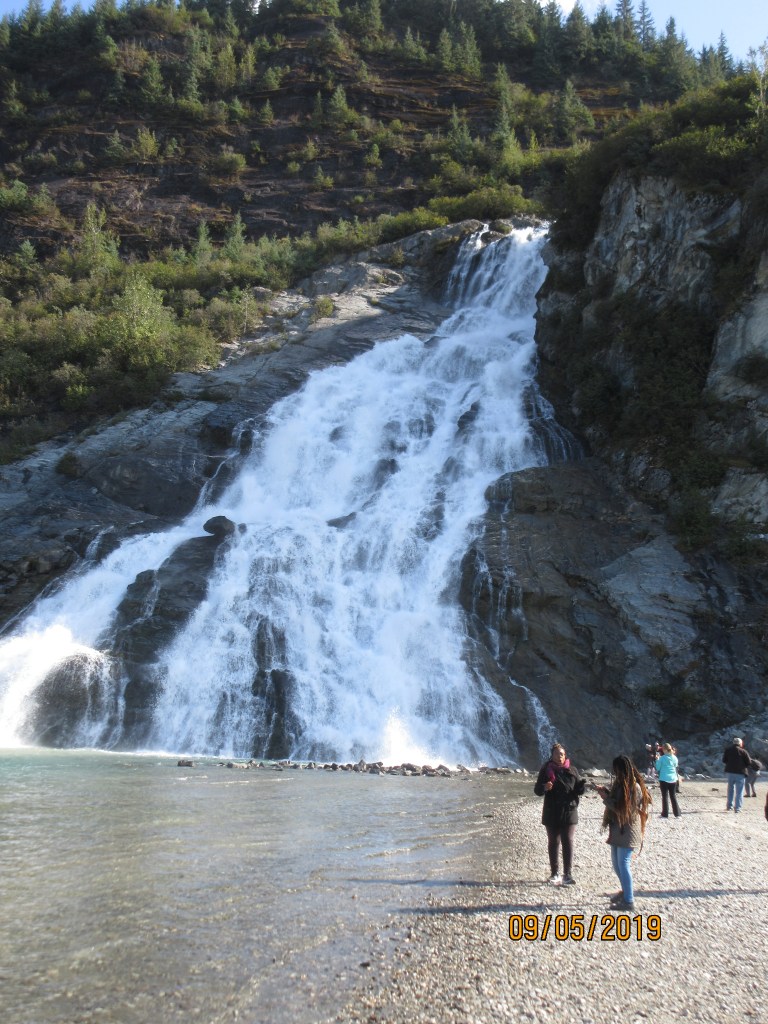
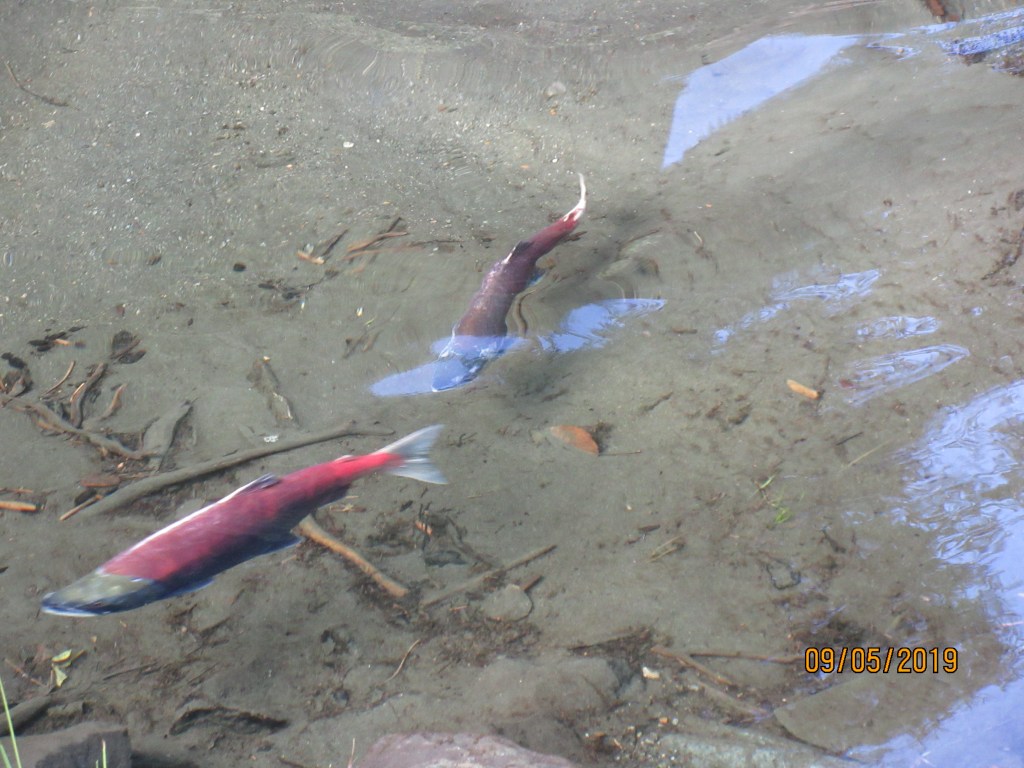
We all walked off to the pleasant downtown and caught our taxi right beside a large fish processing plant. We drove to the beautiful Mendenhall Glacier Park. We walked on the trail for about 20 minutes to reach the base a wonderful waterfall. The huge tidal glacier was another couple of km away and not accessible. Many photos later we turned back. Dave walked by a stream teaming with large salmon. Bears were close by but we did not see any. Our cab picked us up and we were back in town, wandering around the many shops and boutiques. The Crystal Symphony ship was now in too. Another great outing in the warm Alaskan sunshine.
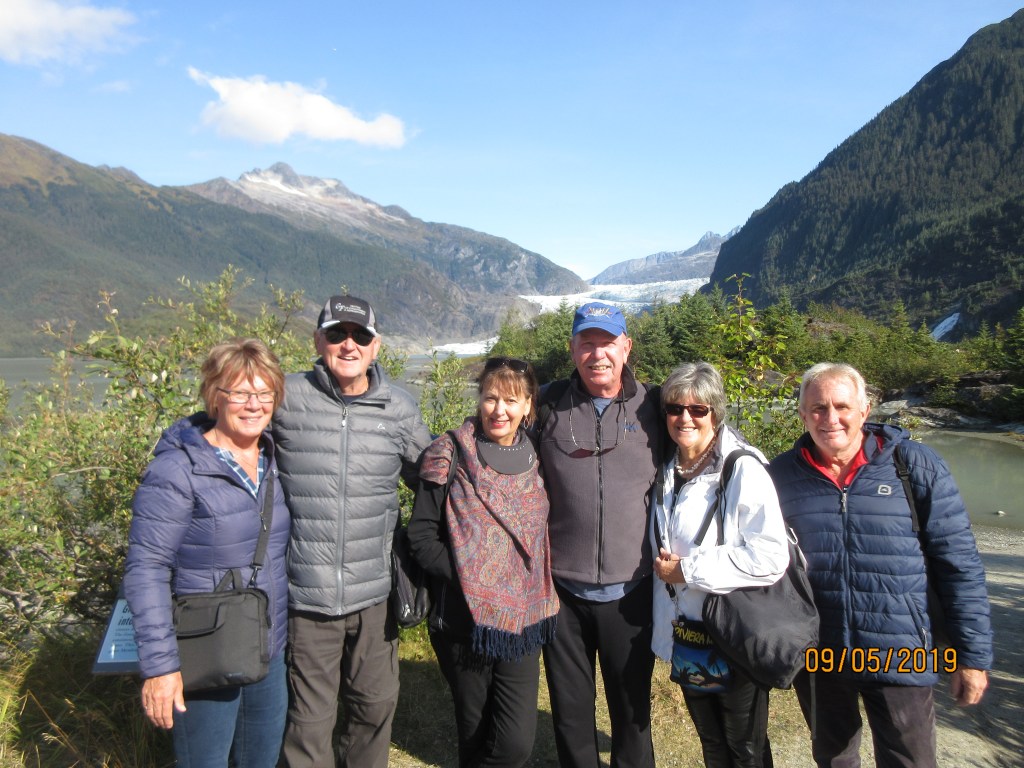
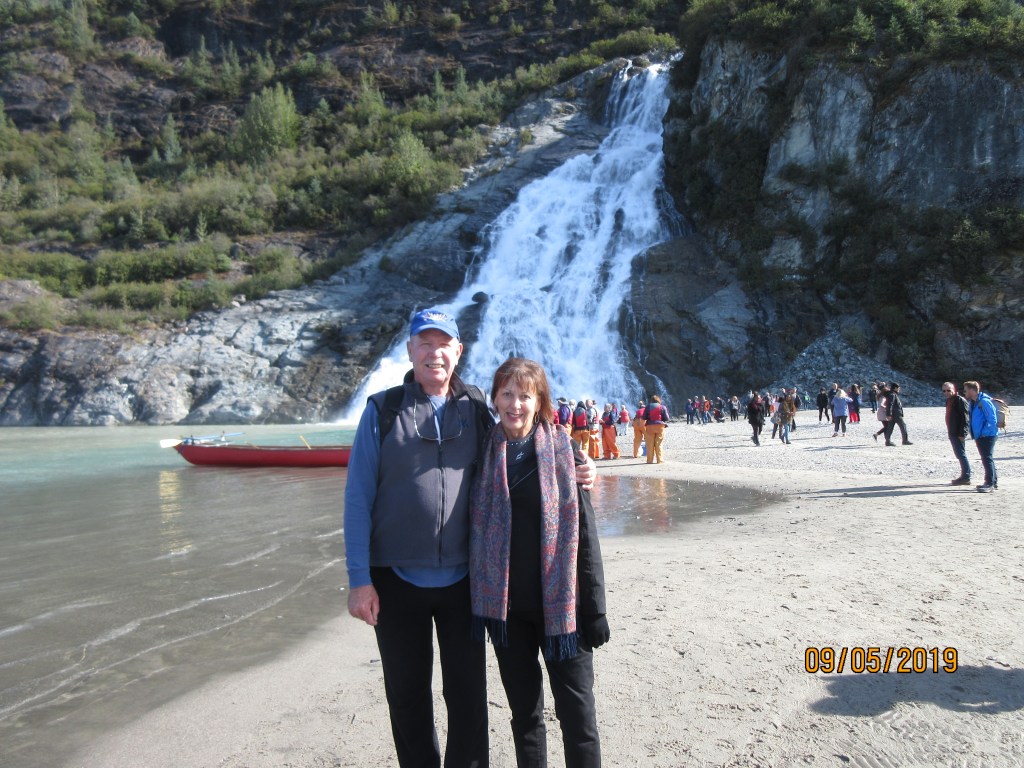

Our taxi driver was originally from El Salvador. He explained that Alaska puts aside royalties from petroleum and mining. Every Alaskan receives an annual dividend payment from this investment. An incentive to come and live here for sure. Ex Governor Sarah Palin tried to move the capital from Juneau to Anchorage but failed. We chuckled.
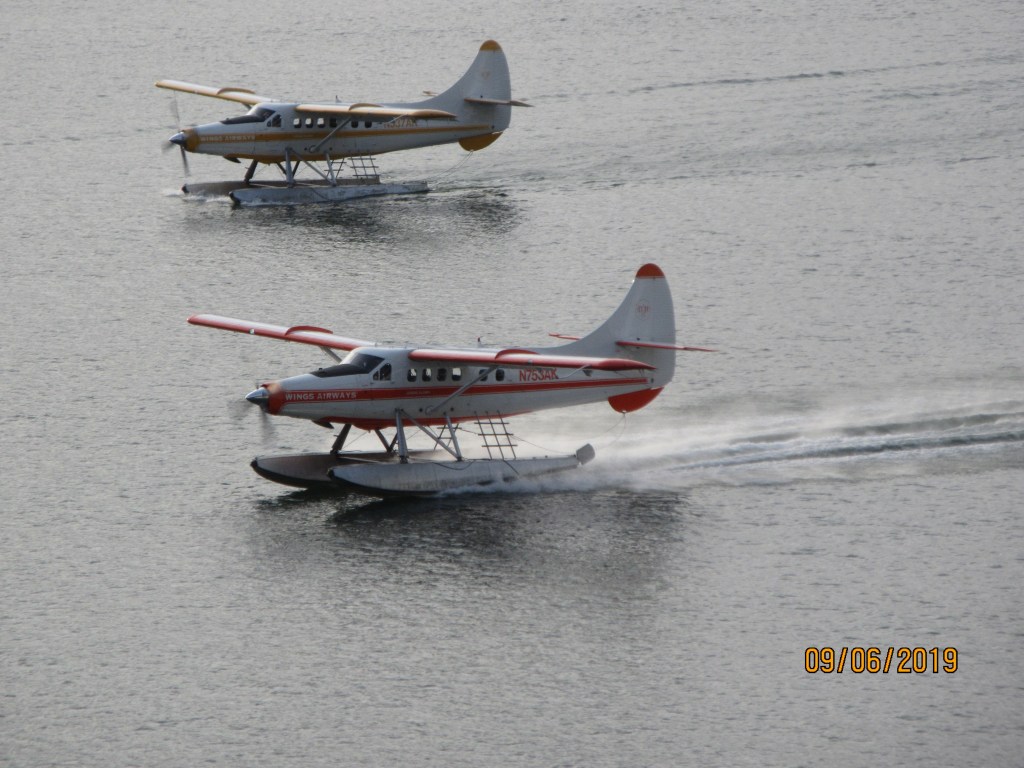
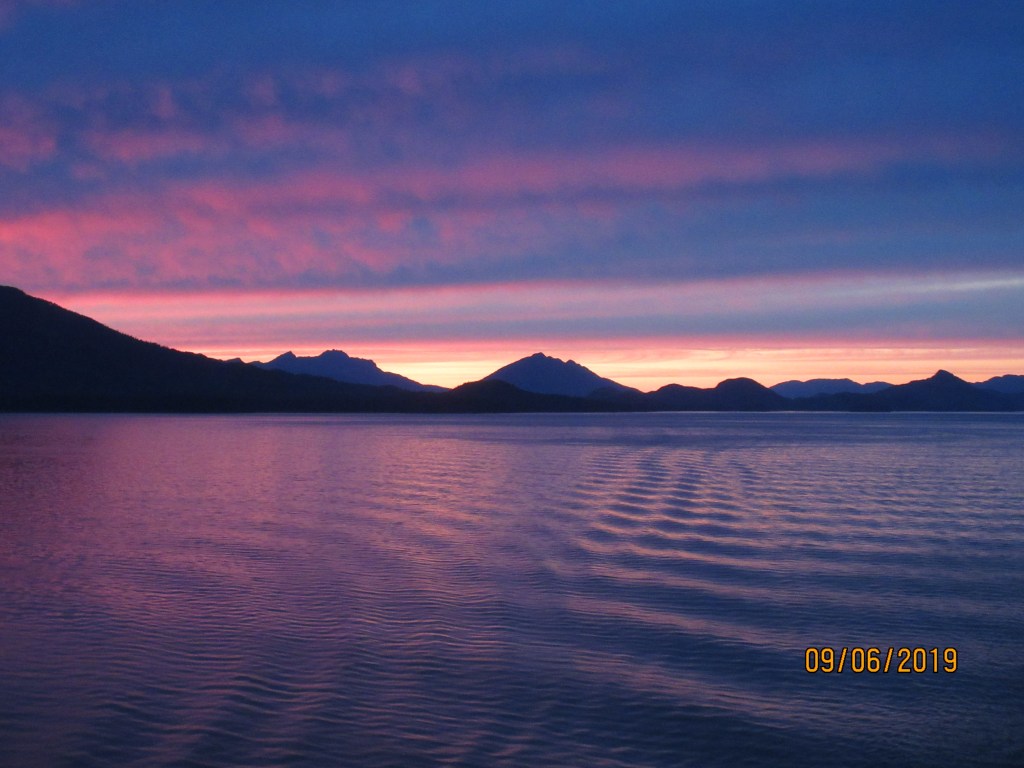
We had lunch on our sunny balcony as a pile driver drove big piles into the sea nearby for a new pier and float planes took off and landed in twos and threes. Time for another hot tub and swim before sail away. Then off we went toward Ketchican in the glorious sunset. Another very nice day.

Next day, we pulled into Ketchikan mid-morning. It was clouded over but not raining as forecast. The HAL Oosterdam, a Regent ship, the Coral Princess and Norwegian Bliss were already there to greet us. Later the Celebrity Eclipse showed up again after the Bliss left. All in all, roughly 14,000 cruise tourists in one day here!!

Art our tour guide, is Haida whose family came from BC. Ketchikan is actually on an island, the salmon capital of the world with a population of 14,000. We drove by the Simsian Nation island reserve. Art said they have timber and fishing rights on their lands. We are a 1+ hr float plane flight from Prince Rupert, BC.
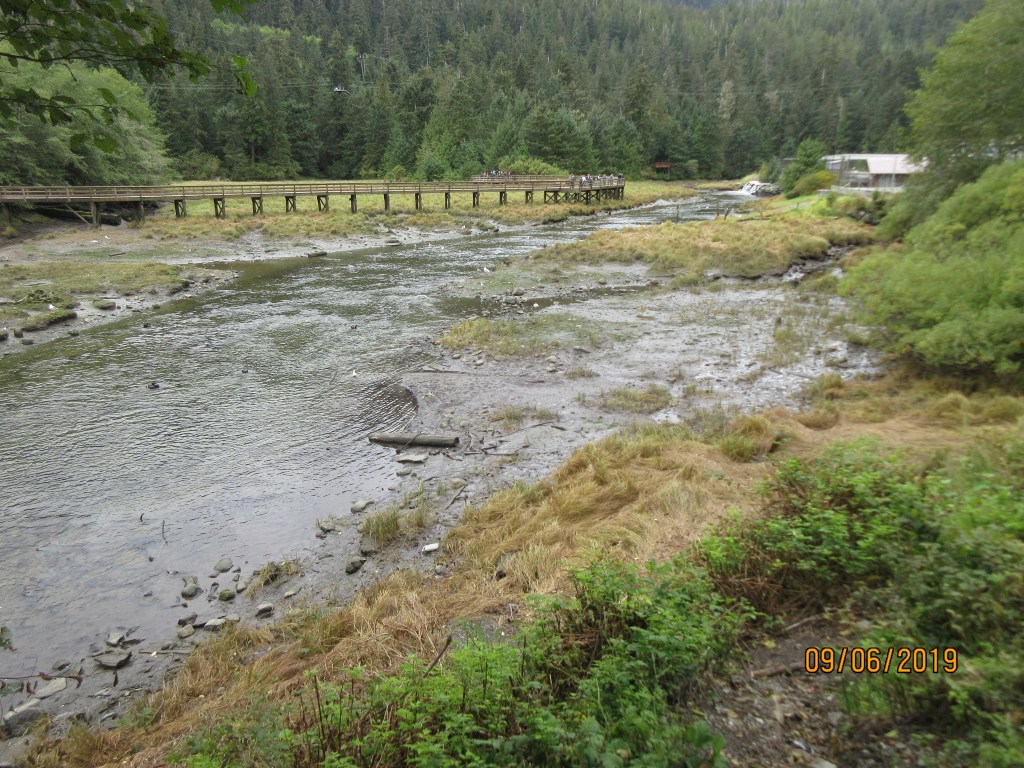
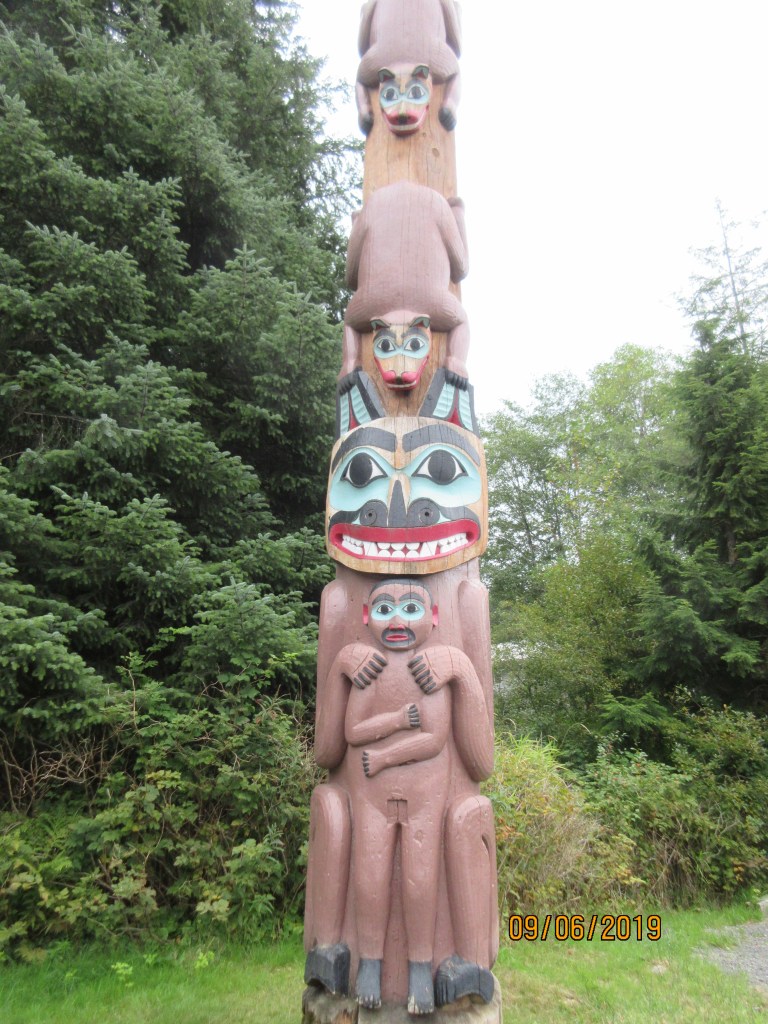

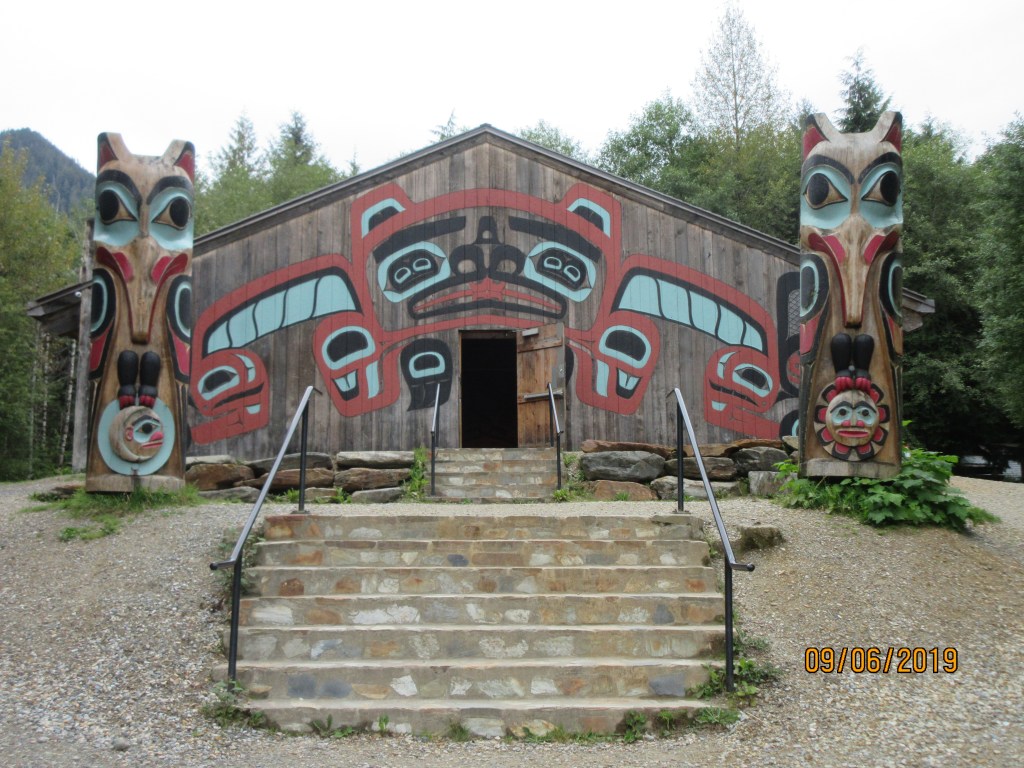

We went to a small river but perhaps as it was midday again, we saw no bears eating salmon. We then visited the Saxman Totem Row Park. It consists of dozens of authentic totem poles relocated from Tlingit village sites in the 1930s. We met a native guide and followed him around. Each totem pole tells a story but you need an interpreter. Art then took us to another stream teaming with pink salmon. As we went to pick one up a local man came over and blasted Art for encouraging this. Art’s response to us was that there are a billion pink salmon (the least valued type) and they are all about to die anyway.

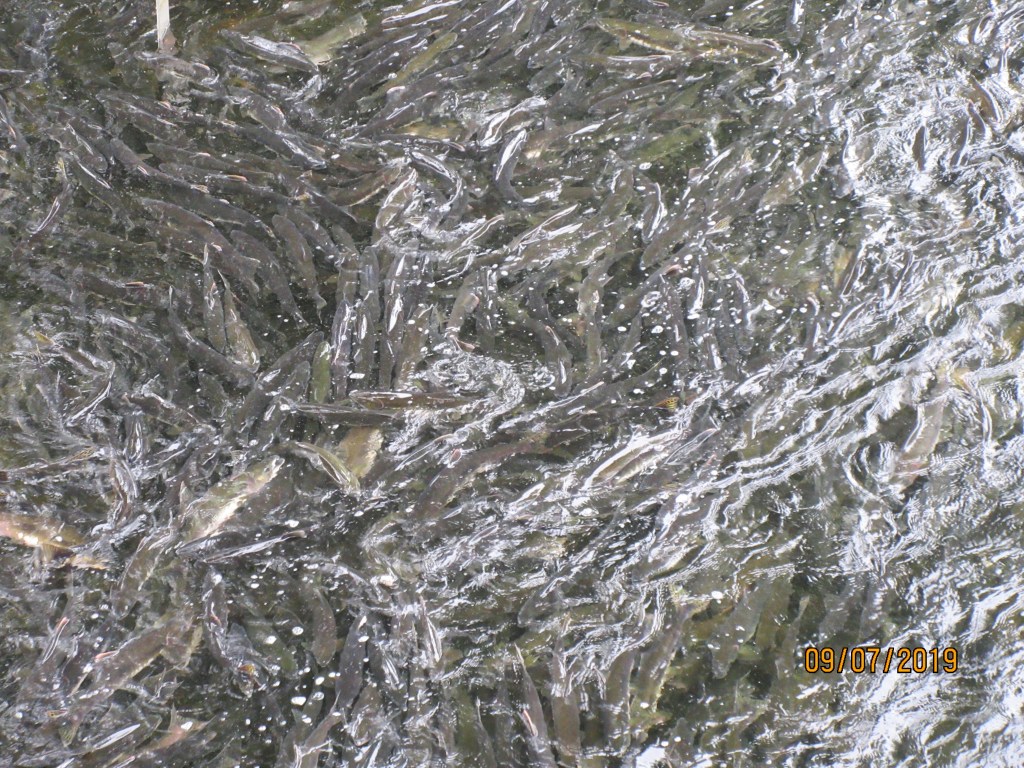
We saw a few more interesting sites. Ketchican Indian Community Centre provides free medical, clothing, food and housing assistance to any Native American. You have to prove you are at least 1/8th Indian explained Art. 1,145,000 annual tourists visit each year. 12+ feet of rain a year, 1949 record 202.55 inches = 12. 66 ft. Salmon like rain. We learned a lot about life here from Art.

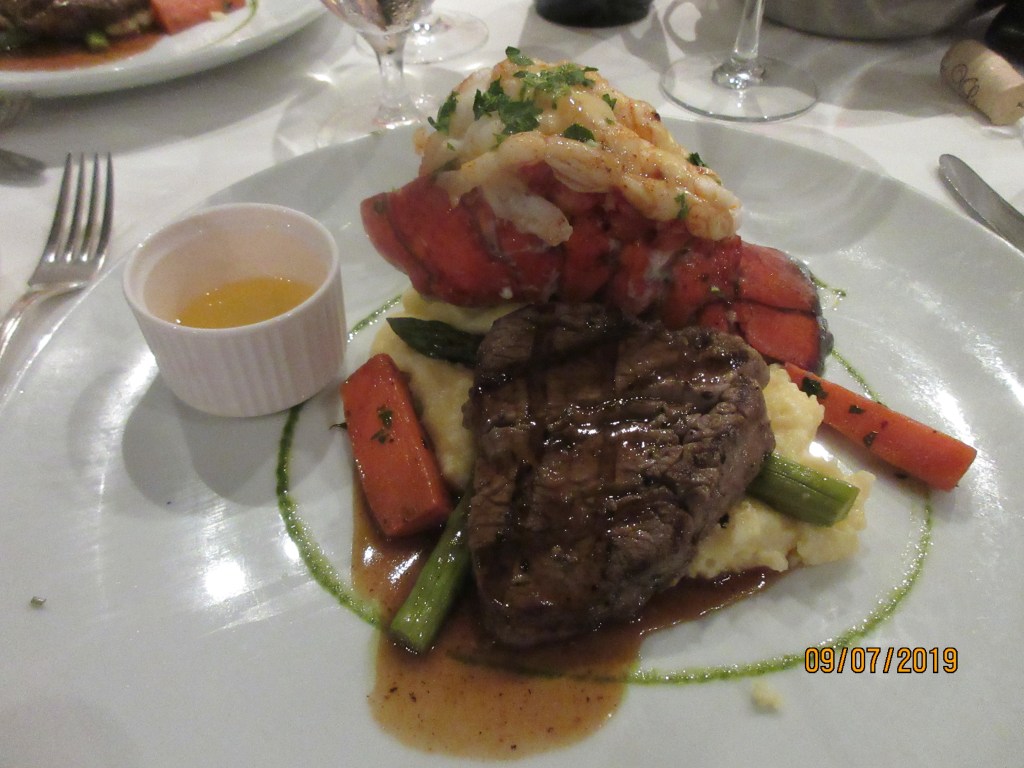
Back on board the HAL Westerdam, it was gala surf and turf night in the Main Dining Room followed by a singing and dancing show on the Mainstage. Food was excellent, the company great and the entertainment very good.


Overall rating of cruise to come.
Filed under Uncategorized
 | morgandw1 on Louis Napoleon (Napoleon III)… |
 | Kyle on Louis Napoleon (Napoleon III)… |
| morgandw1 on KPLZ |
 | arnefran on KPLZ |
| morgandw1 on Frontier Ranch – An Arnp… |
stories about English language and people in Asian communities in America and in Asia.
Blogging Faith, Life, Travel, Books and History
gehadsjourney.wordpress.com
Occasional Thoughts on Contemporary Christianities and Cultures
Follow the Journey ☩𓀙𓃦☉
A new commandment I give unto you, That ye love one another; as I have loved you ... John 13:34
 mattersofthemoment