
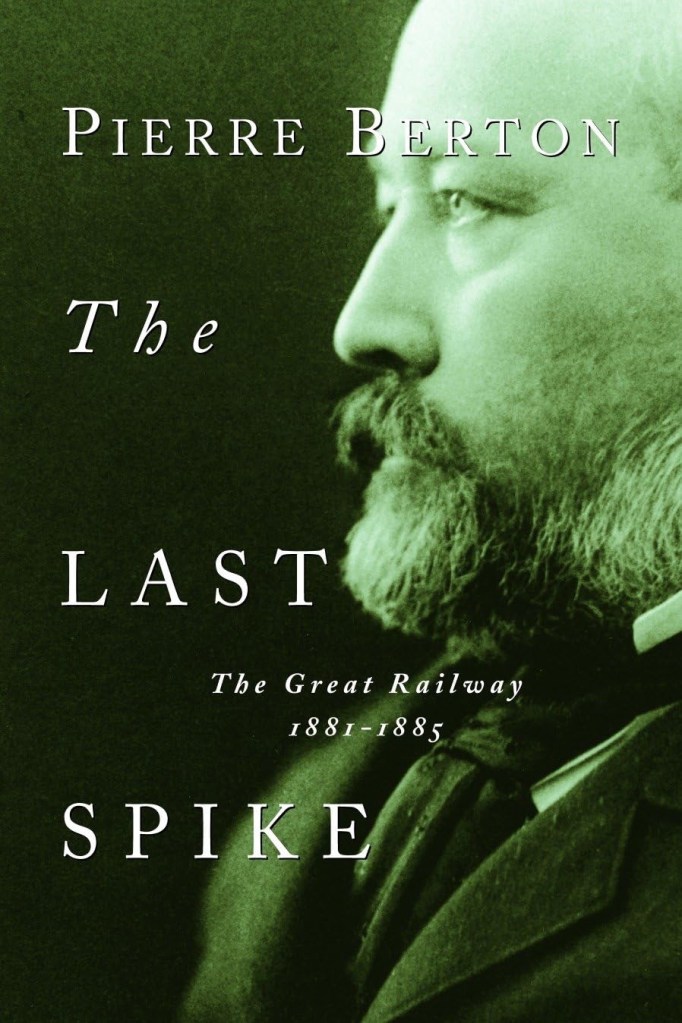
I picked this book up at the condo as we were leaving Mexico heading for Japan. I thought oh well, I might as well read it now while on our cruise ship trip as opposed to sometime in the future. Glad I did.
Pierre Bertons’s 1971 book about building the Canadian Pacific Railway between 1881 and 1885 is a true masterpiece of Canadian history. Who said Canadian history is boring? Read this book and then see what you think.
Difficult to read at times because it is so jam packed with detailed stories, in the end, the story of the last spike being driven in Craigellachie, BC, occupies only a page or 2 out of the 420 pages. Indeed the book should be called “the 10 million spikes” lol.
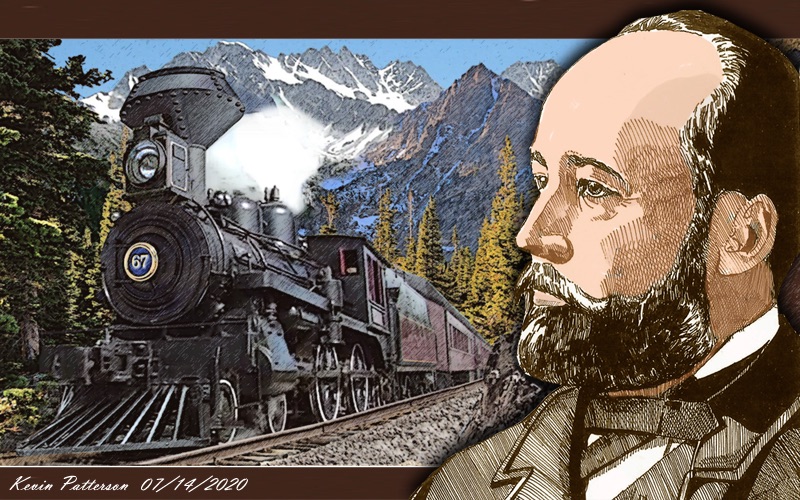
In reality, this is a book about leadership and Cornelius Van Horne, General Manager of the project and George Stephen, its President and financier, stand out. Both had an unrelenting drive, the skills and the energy to see the vision of a railway from Ontario to the Pacific through to completion despite countless roadblocks: finance, geography, politics, resources and competition. They literally built the west, Winnipeg, Brandon, Regina, Calgary, Vancouver and countless other communities around the railway.
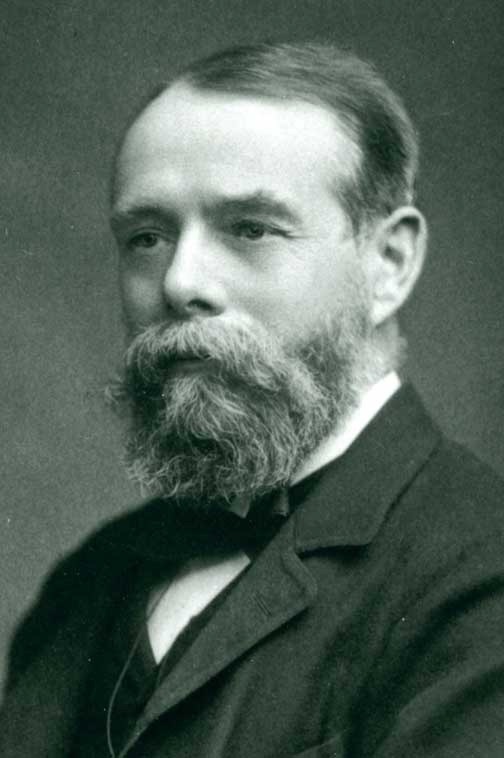
The American born Van Horne and the Scottish born Stephen created perhaps the greatest business partnership in Canadian history, were fiercely Canadian in their core although Stephen moved to England afterwards due to his dislike of politicians.
Along the way we are treated to many interactions and anecdotes involving Sir John A. MacDonald, Sir Charles Tupper, Donald A. Smith, Sir Sanford Fleming, Louis Riel, Gabriel Dumont, Crowfoot, Fr. Albert Lacombe, OMI, flamboyant engineers, contractors and countless others.
The challenges in particular that had to be overcome:
- the geography of the prairies, northern Ontario, the Selkirk mountains and the Fraser Valley in BC
- constant financial pressure as costs continued to exceed resources requiring increasingly creative financial solutions and government bailouts
- interactions with the Cree, Blackfoot and other indigenous that threatened to block the line
- manpower, thousands and thousands of workers needed to survey the route, grade it, install the rails and stay sober
- the politics and competition were brutal, unrelenting and threatened to derail the project on numerous occasions
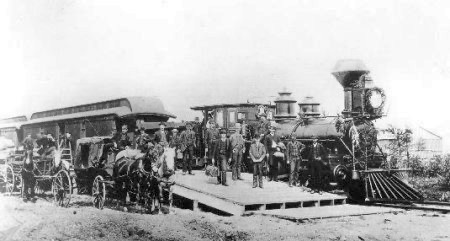
In the end, the project came within 1 hour of total collapse as the CPR needed one more loan from the government to make payroll and avoid receivership. Van Horne, Stephen et al. would have been ruined men. Instead they danced on tables and smashed a few things when the loan came through. The rest is history, a nation building project that we take for granted today that was anything but a sure thing at the time. A smashing read!


 mattersofthemoment