
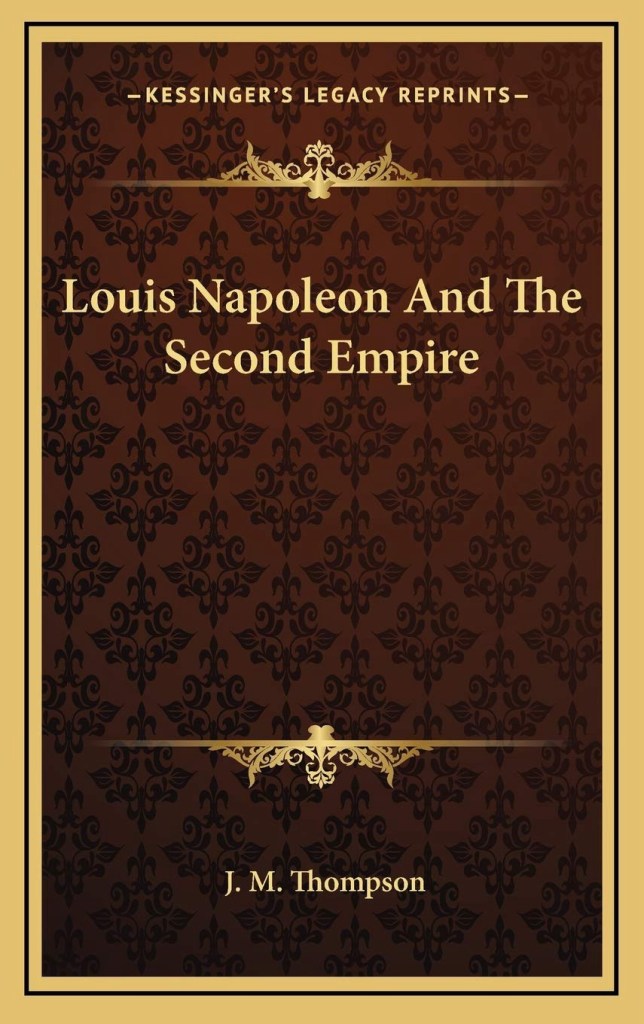
“Louis Napoleon is not to be blamed, he is to be pitied.”
The quote from J. M. Thompson’s book about Louis has stuck with me. You will recall Louis Napoleon, Napoleon I’s nephew came to power in France in mid-nineteenth century and was declared Emperor in 1852.
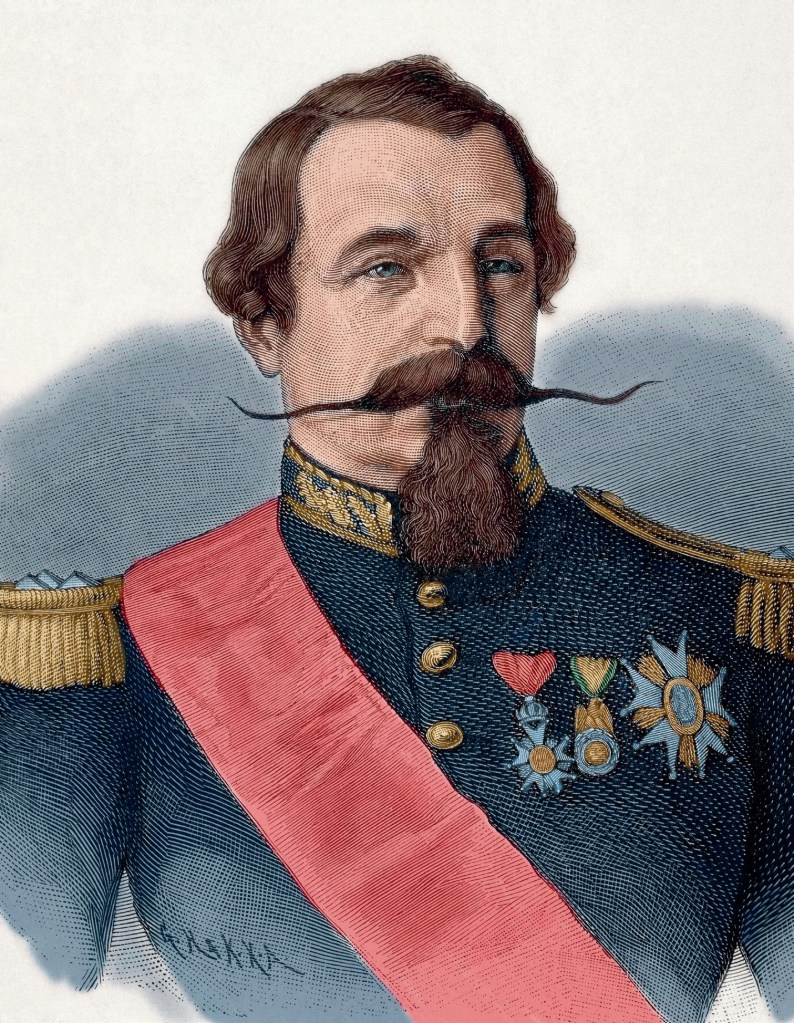
From an early age he was driven to recreate the greatness of France’s Napoleonic era that his uncle had established so successfully from 1799 to 1815. He was determined to make France great again through modernizing the economy, social reforms and having a strong and visible foreign policy.
He starts off very well. He joined with Britain and Turkey to defeat Russia in the Crimean War 1853-56. (This was also a victory for modern nursing, think Florence Nightingale.) France gained increased authority and prestige in Europe. France and Britain were reconciled and Russia under Tsar Alexander II became a French ally.

However, Louis was a prisoner of his own intellect. Apparently he would listen politely to advice and then make his own decision based on intuition. Unfortunately this caused him sometimes to turn left when he should have turned right and right when he should have turned left. Sound familiar?
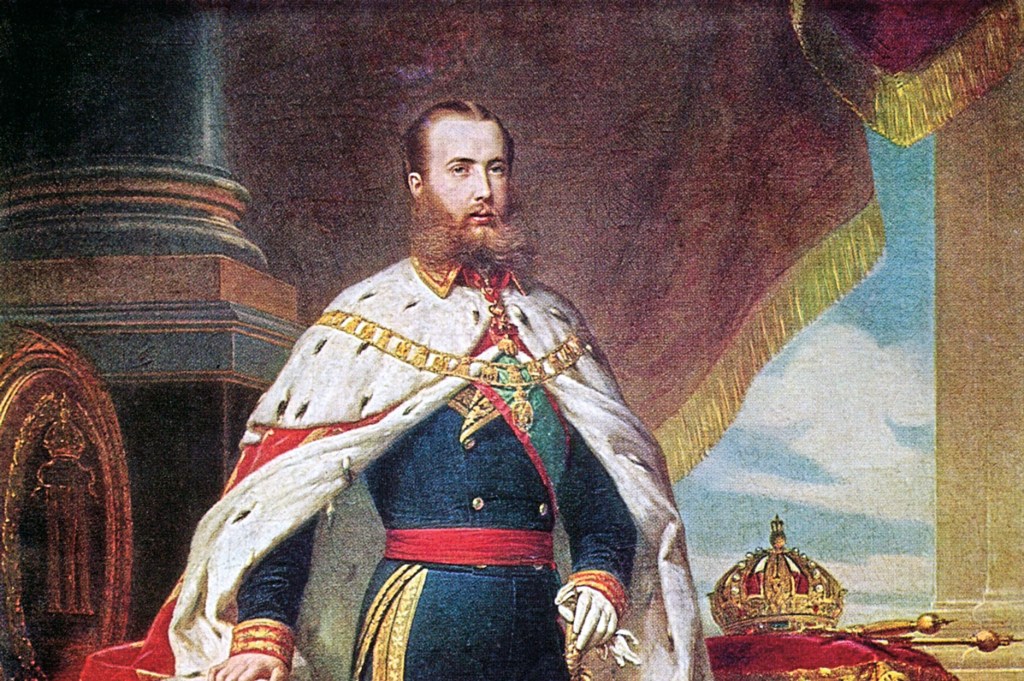
France’s Mexican adventure (1861-67) was one of his biggest failures. The pretext was money owed by Mexico to France and others that was not being repaid due to financial insolvency of Mexico’s government. He decided to attack Mexico and install Austrian Habsburg dynasty member Maximilian I as Emperor to reestablish French colonial power in the Americas. It ended in total failure costing the lives of 6500 French soldiers and 750M+ francs.
His progressive social reforms were very well received at home. He legalized trade unions, invested in public health, made massive infrastructure investments in parks and water treatment, supported rural farms and improved education for girls.
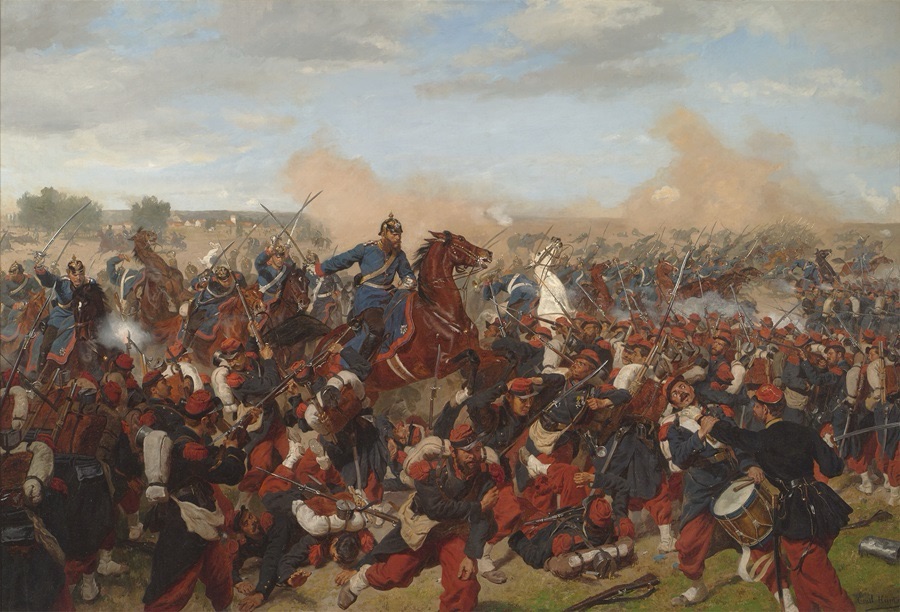
He came to the aid of the Italians who were seeking to unify their country, by establishing a French force in Rome to guard the Pope from Austrian intrigues and assisting Sardinia. He kept Europe peaceful for 17 years as he was a master of diplomacy. However in playing Austria off against Prussia, he lost and was captured in the Franco-Prussian war of 1870 which led to the unification of Germany.

He spent his last years exiled in Britain and watched from afar as the Third Republic was established in France. Note that his wife Empress Eugenie who was very forceful, proud and headstrong was not the reason for his downfall. Declining health, French military unpreparedness and the dramatic military rise of Prussia under Otto von Bismarck, were. An intriguing figure perhaps ahead of his time and well worth reading about. I rate this book 9.5 out of 10 (could have been a few more maps included.)


 mattersofthemoment
Does the author talk about what made Napoleon III so loyal to the Pope, whereas Napoleon Bonaparte had been largely hostile?
LikeLike
Not sure how Louis personally felt towards Pope Nono but he made a pact with Sardinia to thwart Austria’s intentions in Italy and this garrison was part of the deal. Later, he could not withdraw it without a huge backlash from Catholics in France. France was still a very Catholic nation at the time.
LikeLike