
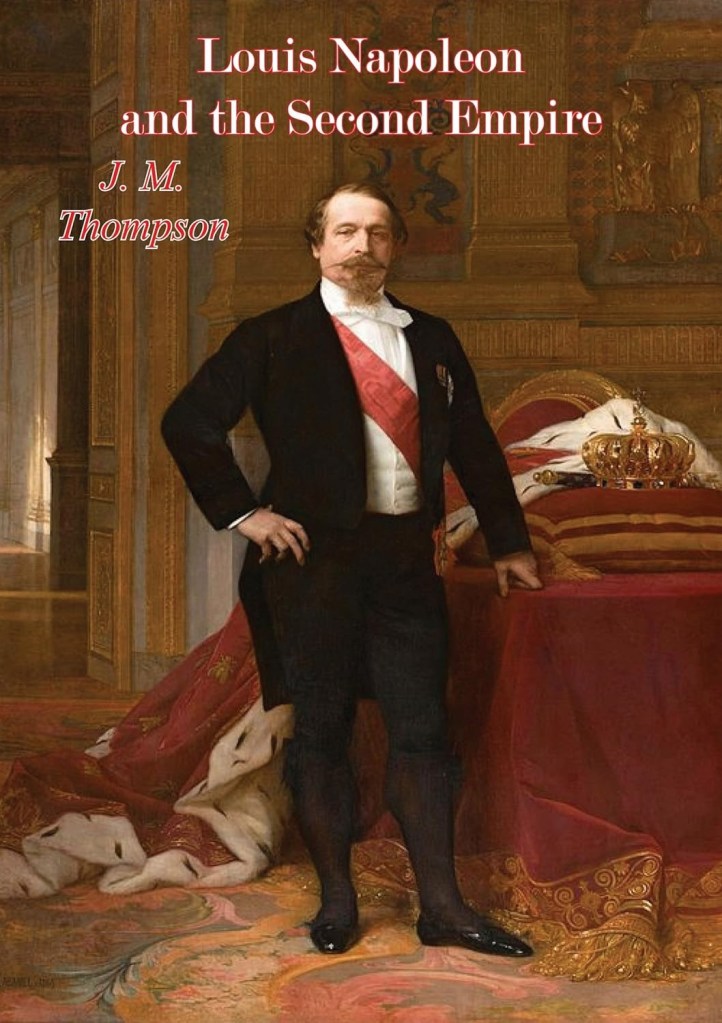
This book is a great romp through middle 19th century Europe! Written by a stellar historian, it was a real page burner for well over a month.
In great and candid detail, often quoting from the personal correspondence of Louis, his wife Eugenie, Queen Victoria, the King of Prussia, other royal dignitaries and a host of European leaders, J. M.‘s research and writing skills are evident on every page.
Why was I interested in Louis Napoleon in the first place? Because I did a presentation on his failed Mexican empire adventure under Maximillian 1 (1861-66) and wondered who would have risked such an audacious scheme.
So who is Louis Napoleon, what is bonapartism and why was he driven to reinstate it in mid-nineteenth century France?
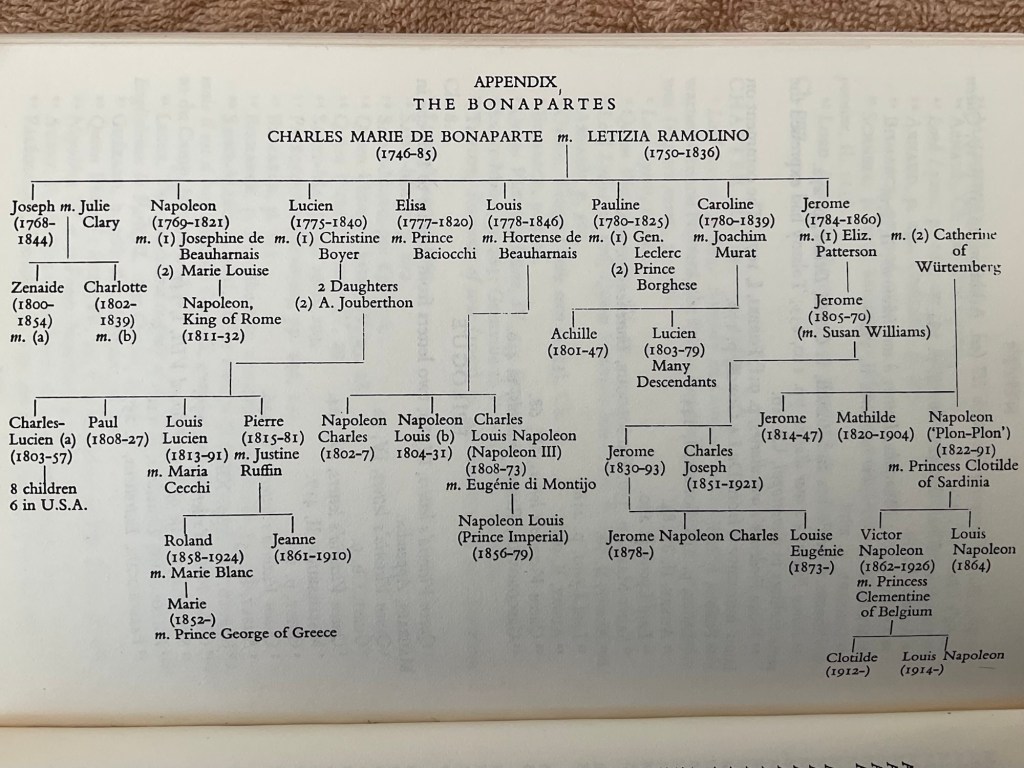
Louis (1808-73) was the nephew of the great Napoleon (1769-1821). He was the son of Napoleon’s younger brother Louis (1778-1846). Napoleons wife Josephine was his grandmother since his mother Hortense, was Napoleon’s step daughter. He was the only one of a number of cousins capable and driven enough to do try regaining power.
What is Bonapartism? A strong executive leader claims to stand above all social classes and political factions, ruling through plebiscites, bureaucracy, the military, and populist legitimacy rather than through constitutional checks.
By contrast, a monarchy is where sovereignty is vested in a hereditary ruler (king/queen), often justified by tradition, religion, or dynastic right. Republicanism is where political authority is not hereditary; sovereignty comes from the people, exercised through elected institutions. Finally, parliamentary government is where the executive (prime minister + cabinet) are accountable to an elected parliament, not directly to the people or a monarch.
Louis-Napoleon (Napoleon III) firmly believed Bonapartism was superior to both republicanism and monarchy because he saw it as the only system that could (1) restore order, (2) unify France, and (3) legitimize strong executive power through popular approval. He thought parliamentary government too chaotic, factional and ineffective. His strong views were shaped by his ideology, his personal ambitions, and the political crisis of France in the late 1840s and early 1850s.
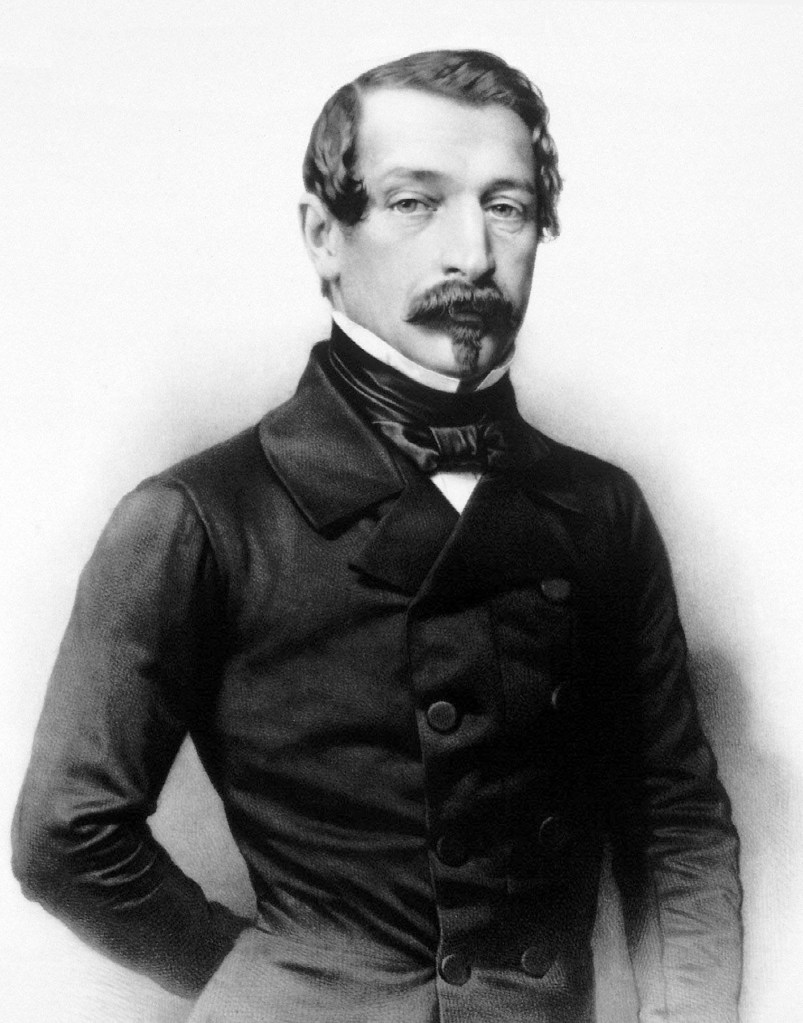
Here is a link to his background and how he came to power here. And yes if you are wondering, President Trump does have bonapartist tendencies but American institutions – Congress, the Judiciary and Constitution are much stronger than French institutions were in 1848.


 mattersofthemoment