
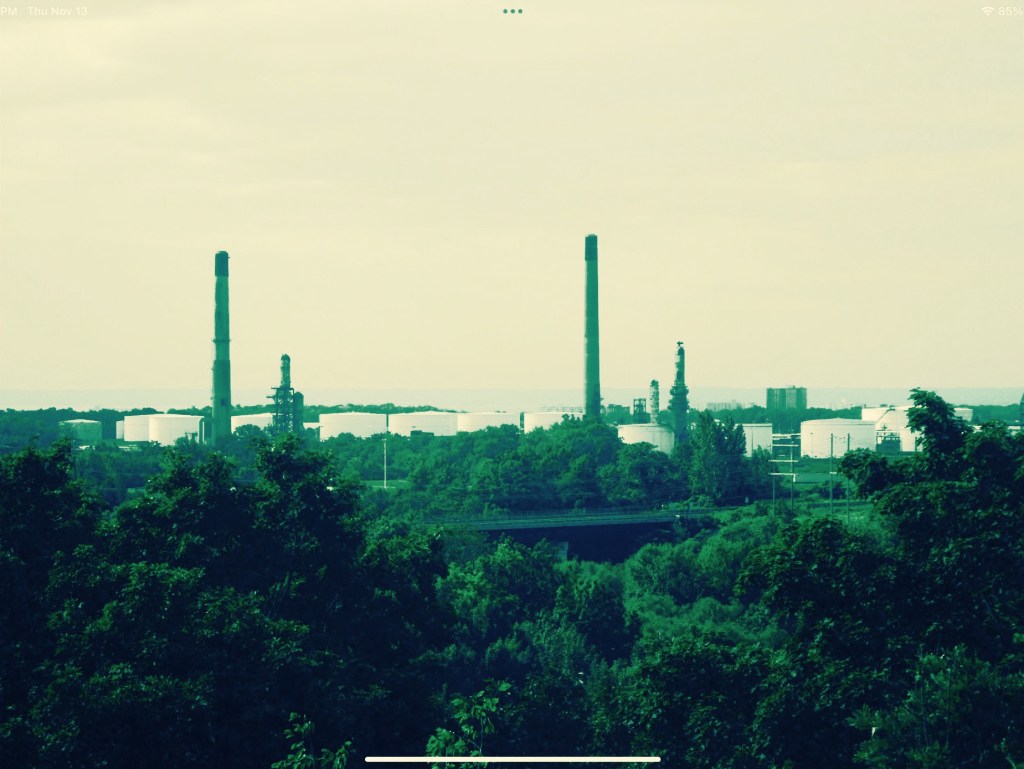
Back in the day, I worked there for 8 months. My first job was as sample boy. I went out and drew product samples from various tanks like fuel oil, gasoline, propane and butane spheres. It was winter and I would drive the lab truck out to a tank, climb the stairs to the top, open the sample hatch and drop a weighted bottle on a cord with a cork top. Once immersed in the liquid, a quick flick of the wrist upward would dislodge the cork and the bottle would fill with liquid. On pressurized propane or butane tanks I would use a metal cylinder called a bomb with valves on each end. You connect one end to the tank/sphere, open the valves, flush it out on the ground to get rid of any water and then close the valves. I would then take these sample back to the lab for quality control testing.
I remember many a cold day that winter out in the tank farm. I could see the Toronto skyscrapers shimmering in the distance. I had trouble getting to work. I boarded at a friend’s house in Burlington and would catch a bus to the edge of Oakville. I would than have to walk 2 or 3 km or hitch hike from there! Often a colleague at work would see me and give me a lift. One day the lab manager asked me to drive the lab truck to Maple Leaf Gardens in downtown Toronto to pick up his hockey tickets for the weekend. Pretty cool I thought!
My second term that Fall was as shift tester in the lab. Various samples of products would be provided from the units or tank farm. I conducted freezing point, distillation, flash point and viscosity quality control tests on a rotating shift. At least I was inside then but I remember the constant smell of solvents like acetone and maybe even benzene which we used to clean the equipment – as well as our hands! I enjoyed joshing with the guys in the lab at coffee break and lunch when I worked the day shift. I remember the gas chromatograph guy who was very nice, the older engineer who picked me up as well as the good natured lab manager. Also one of the guys in the union who loved working stat holidays for the double time and a half pay lol.
That term I lived in Mississauga near Oakville boarding at another friend’s house. I had a car this time, a brand new VW Beetle that my mom had purchased for me. I remember listening to Green Eyed Lady on the radio and Led Zeppelin III on the tape deck. Cool!
As there were no oil refineries anywhere near my home in Ottawa, I really enjoyed these unique university coop work term experiences! Here are a few pics and the ChatGpt history of this refinery for which I have fond memories of.

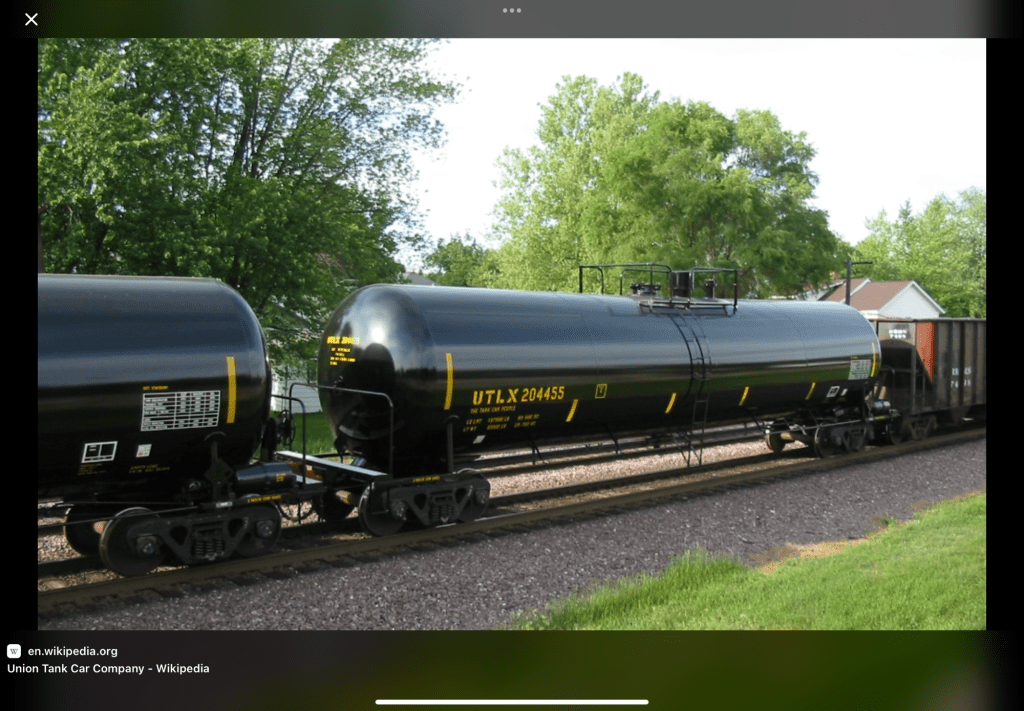
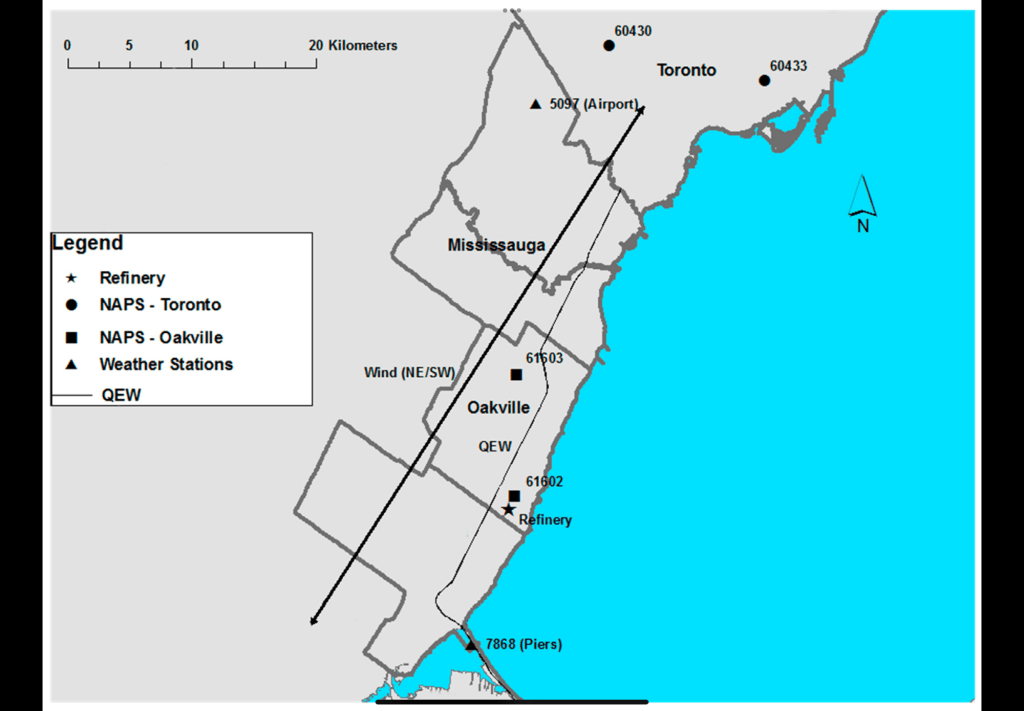
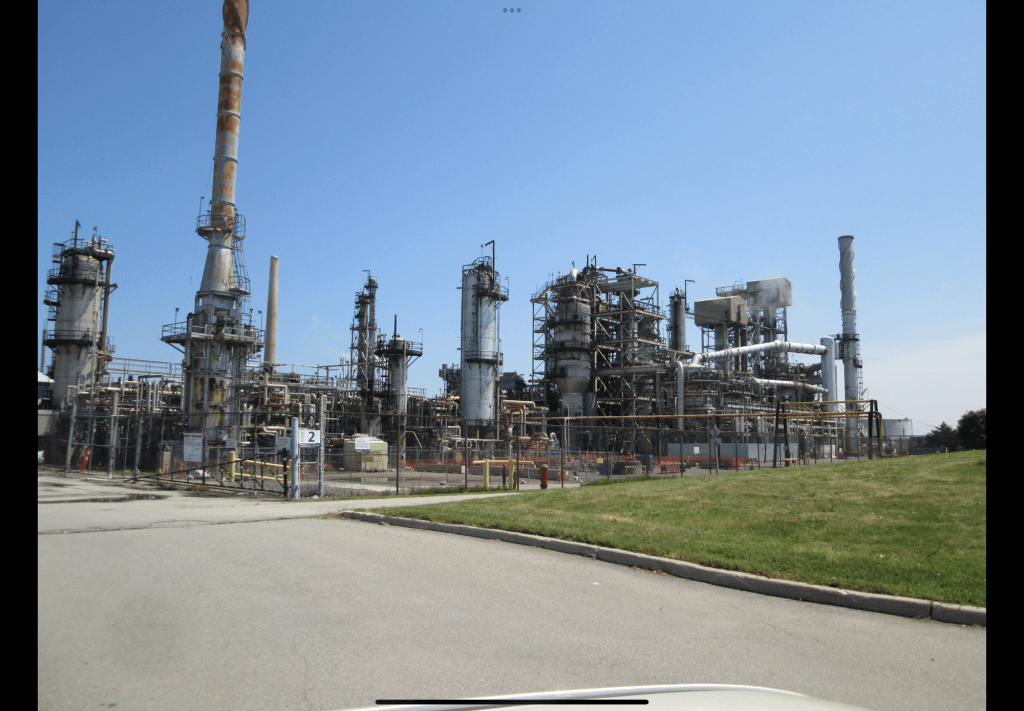
Short version up front: the “Trafalgar” or Oakville refinery was built in the late 1950s, operated by Cities Service, bought by BP in the 1960s, later sold to Petro-Canada, and was decommissioned and closed in 2004–2005 (the site now functions as a storage/terminal).
Key dates & facts
Commissioned 1958 — the refinery was built and began operations in 1958 (original owner: Cities Service Company). Acquired by BP (early 1960s) — BP bought the Oakville/Trafalgar facility in the mid-1960s as it expanded its Canadian operations. The site was known locally as the BP Trafalgar Refinery. Growth & capacity — over time the plant was expanded (1970s plans to add capacity are documented); historical BP material shows the Trafalgar refinery processed tens of thousands of barrels per day (period figures in reports show ~31,000 bpd in 1969 and later references list up to roughly 90,000 bpd as a peak/combined figure in later summaries). Sale to Petro-Canada (1982) — BP’s Canadian refining/marketing assets (including the Oakville/Trafalgar site) were sold to Petro-Canada in the early 1980s. The refinery then operated under Petro-Canada. Closure & decommissioning (2004–2005) — Petro-Canada permanently shut and decommissioned the Oakville refinery around 2004–2005. The company cited the cost of meeting new, stricter low-sulphur gasoline rules and the small/less-efficient scale of the plant as reasons for closure. Decommissioning took place in late 2004 into 2005. Aftermath / equipment sale — parts of the refinery equipment were shipped (or planned to be shipped) overseas — there was a plan to re-erect equipment in Pakistan (Indus Refinery Project), though some components were not ultimately reassembled there; the Oakville site was retained in part for storage/terminal operations (Suncor/Petro-Canada legacy).
Local details / name
The facility is commonly called the Trafalgar Refinery or Oakville Refinery in local archives; examples and photos appear in the Oakville museum / town collections (site address listed historically as 1225 Trafalgar Road).


 mattersofthemoment