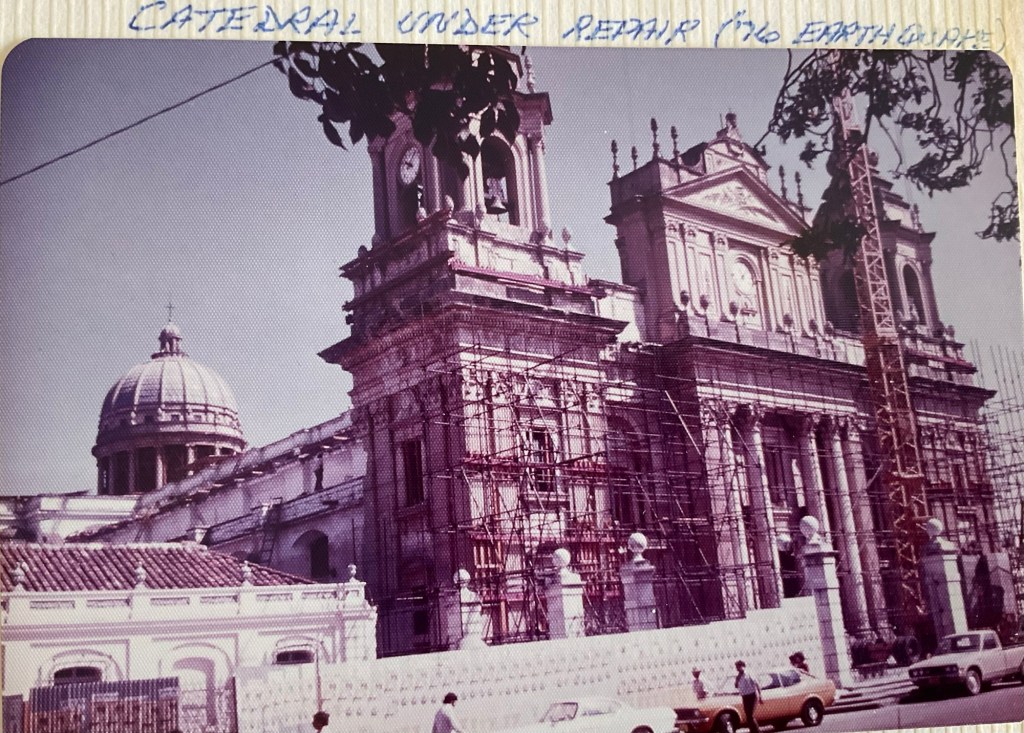
In 1978 I visited Guatemala City briefly on my way home from Brazil. I remember researching places to stop at and for some reason, I chose here. It was a short interesting stay.
I remember being at a restaurant where some other tourists were loudly complaining that the Coca Cola was different here lol. I remember asking the hotel concierge where is a good bar to go for the evening. He directed me to a place that I went to where I was the only one there. I was probably too early as Latin Americans are notorious late nighters not eating dinner until 10 or later at night!
The third thing I remember was while walking around the city, a number of public buildings were damaged and under repair. When I looked into this, I found out there had been a major earthquake in Guatemala two years earlier.
Here is that tragic story:
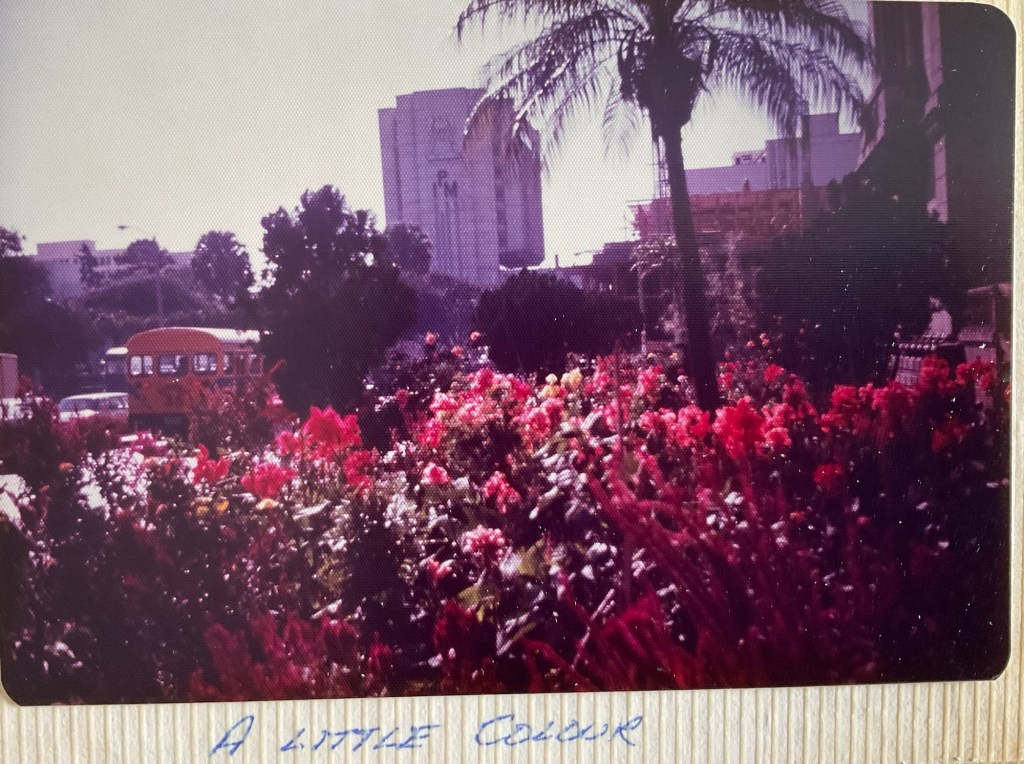
I must admit it was an interesting place to visit but my whirlwind stop was too short to get to know the place and its people. The few photos I took are reproduced below. Enjoy
Read this article about CDMX air quality in 1978. I was there briefly then and can attest to the problem. I remember walking by the Palacio des Bellas Artes and literally choking. I was a smoker then and it was impossible to smoke because the air was so polluted. Lol but not really.
On our most recent visit, the air was not noticeably polluted however due to the elevation of 2240 m above sea level, the air is thinner. One can get winded pretty easily when climbing a hill or several sets of stairs.
Another peculiarity is that there are no visible bugs like flys, bees or mosquitoes in CDMX, at least when we were there in March. Why is this so? Well here is the answer.
We had our windows open with no screens and never a bug or fly did we see. Same in Nuevo Vallarta. We leave our screen free balcony door open 24/7 and only extremely rarely would a fly or bee be seen inside the condo.
So another nice thing about Mexico – no bugs for the most part. However there are no see ems on the beach that bite that Marie can attest to. Hasta luego.
5th largest metro area in the world at 22 million; 9 million in city proper
they sweep the sidewalks by hand
no bugs anywhere (how can that be?)
no garbage pails
we saw trash on the street which was subsequently raked up and removed
indigenous names and monuments everywhere
cheap transit e.g. 35 cents for subway ride
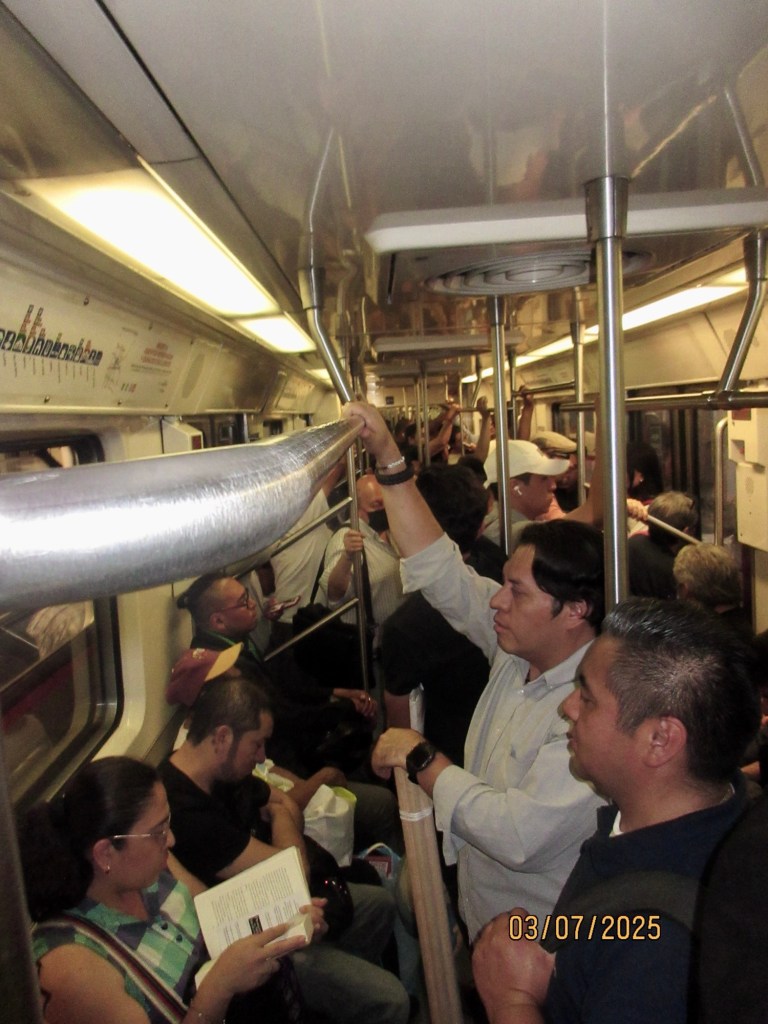
crowded subways with lack of clear signage
Uber works great here
great bus network, 50,000 buses!
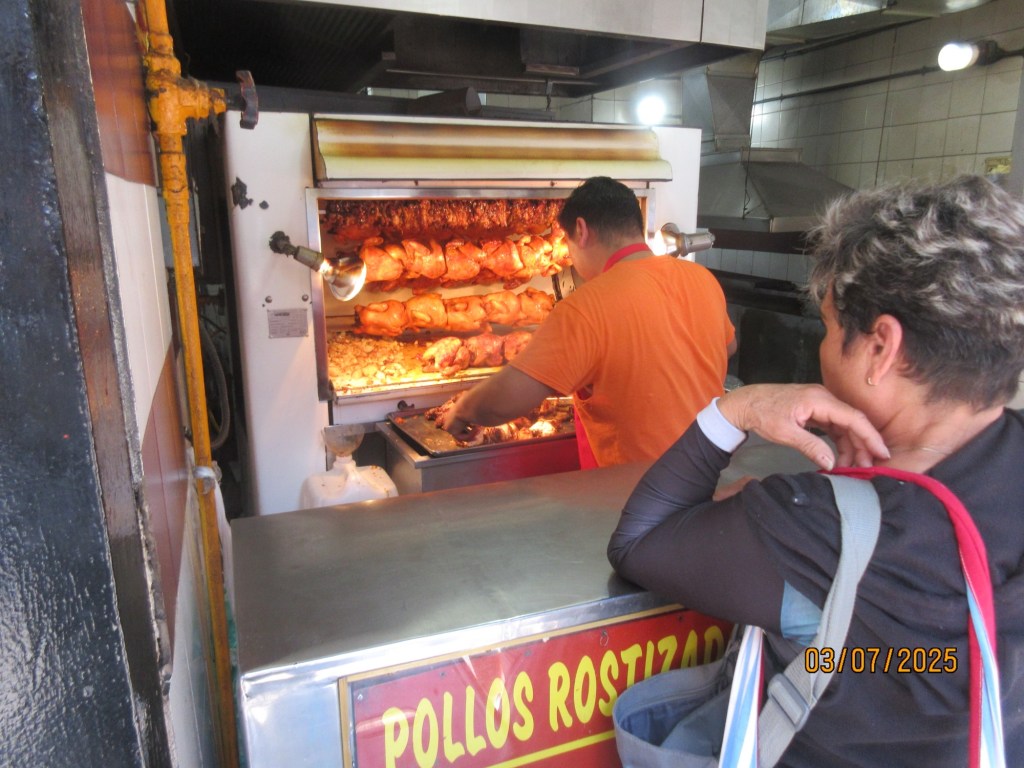
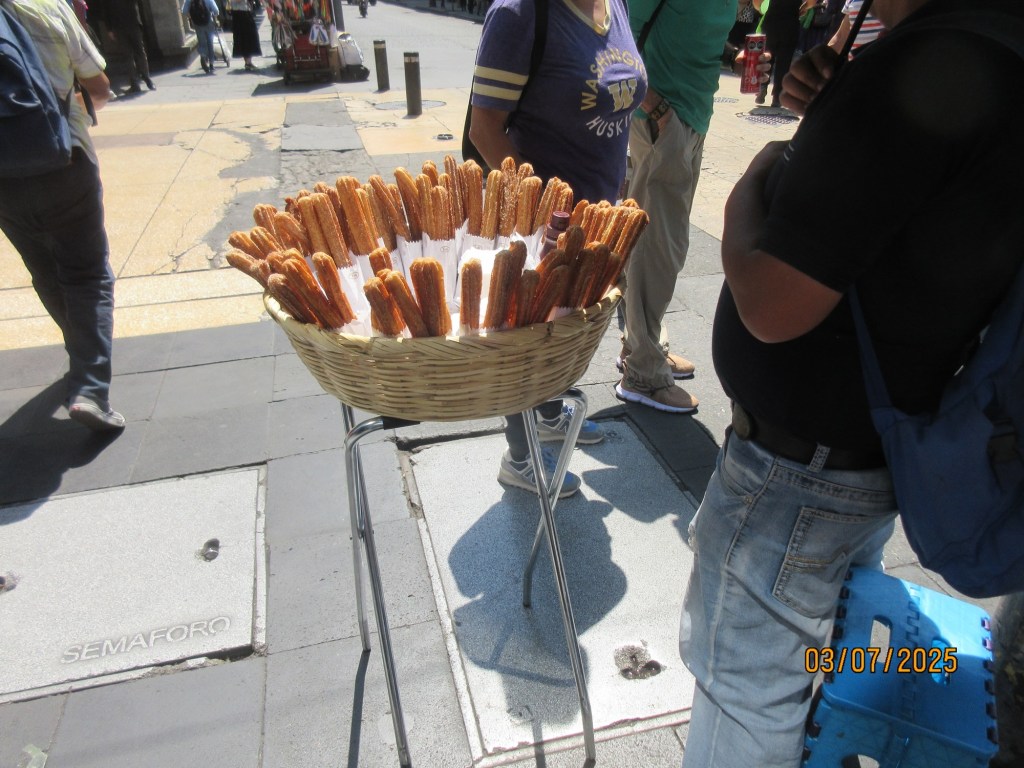
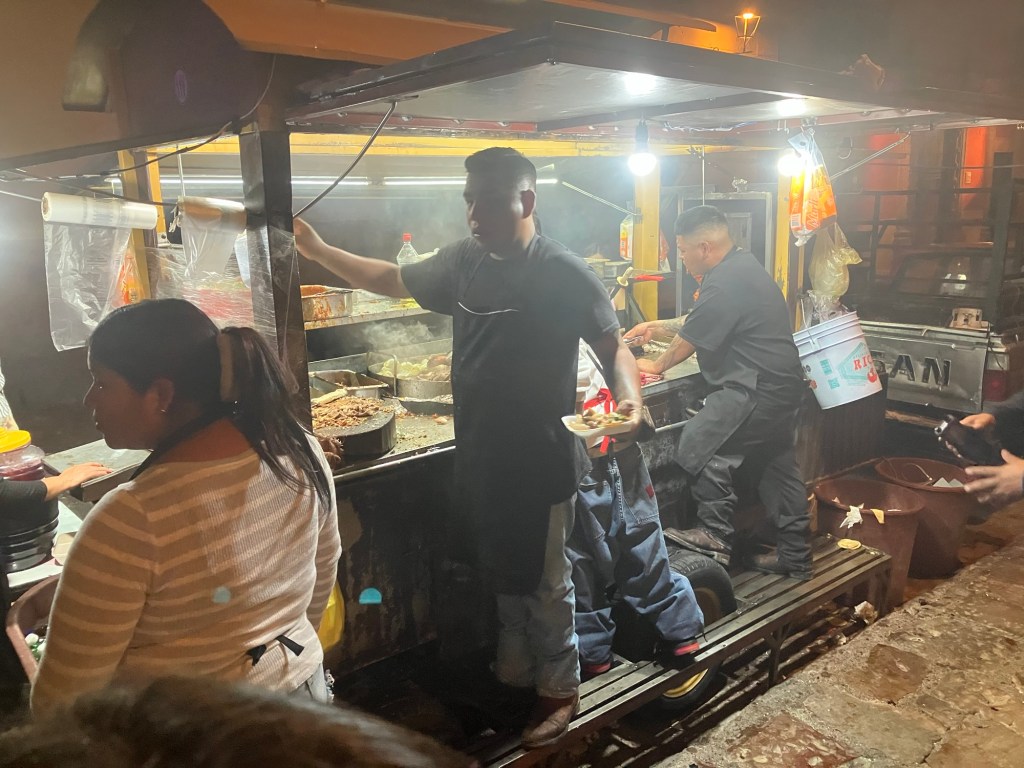
street food everywhere
restaurants everywhere
shady streets, beautiful trees
streets run at all angles with hundreds of roundabouts
very noisy usually
you can get by in english usually
bicycle lanes everywhere
no one bugs you
vendors lay out their items and patiently wait a sale
police presence everywhere often with machine guns in the Centro area
people eat standing up outside a lot
two can eat dinner for $10
traffic is heavy; you have to really pay attention
our best hotel room ever (a large suite with a kitchenette at $110/night taxes in)
loved the neighborhood
excellent service everywhere
felt safe
would come back again and learn Spanish
we had a tremendous experience of teeming humanity here
Last thoughts: Mexico seems more like an indigenous based society with major European (Spanish) influence; Canada seems more like a European (and now multicultural) based society with less visible indigenous influence
If you have been following along, you will be happy to know we will not be writing up about days 4 and 6. We took a break these days to recover… On day 5 we went on a great tour.
We made our way to the pickup spot and joined 15 other pax, mostly young people including some students on March break. They were from India, France, Germany, Montevideo, Bulgaria, Lithuania and America (2 only). We had front row seats in a Mercedes van and a wonderful tour guide named Itsel.
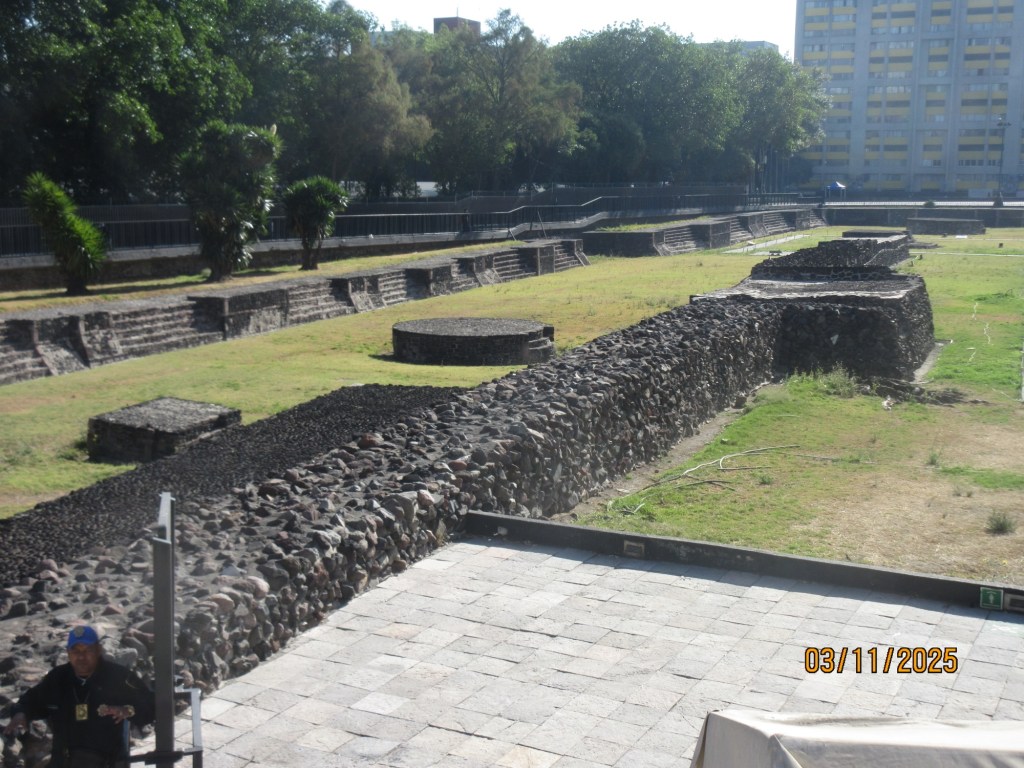
Our first stop was the Plaza of Three Cultures. We saw the pre Columbian ruins of Tlatelolco, a city state founded in 1338. On another side of the square is the oldest European school of higher learning in the Americas and on the third side, a modern office complex. Itsel explained that in 1968, military and police forces gunned down hundreds of protesting students in front of the office complex, claiming they were provoked. Very sad!
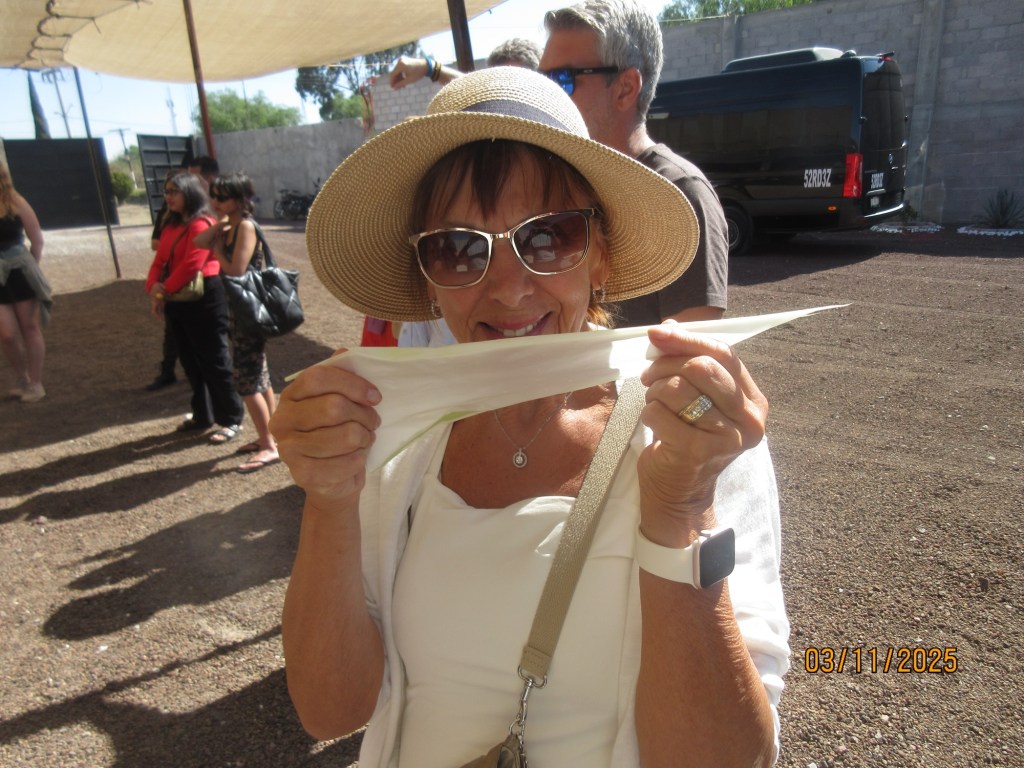
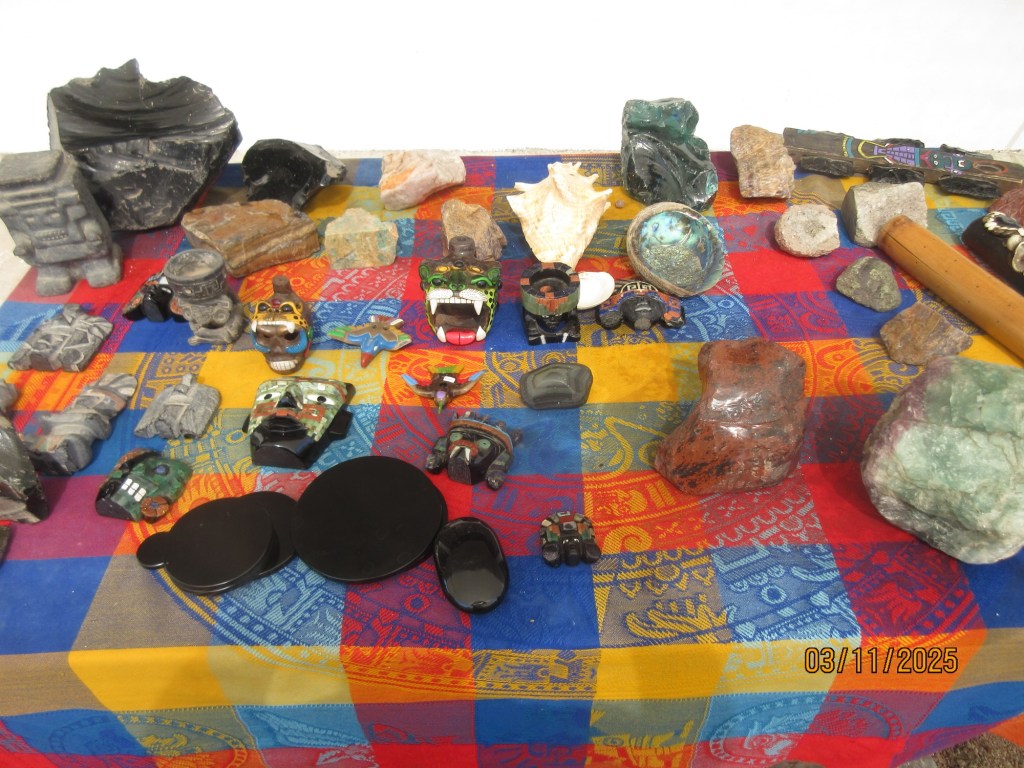
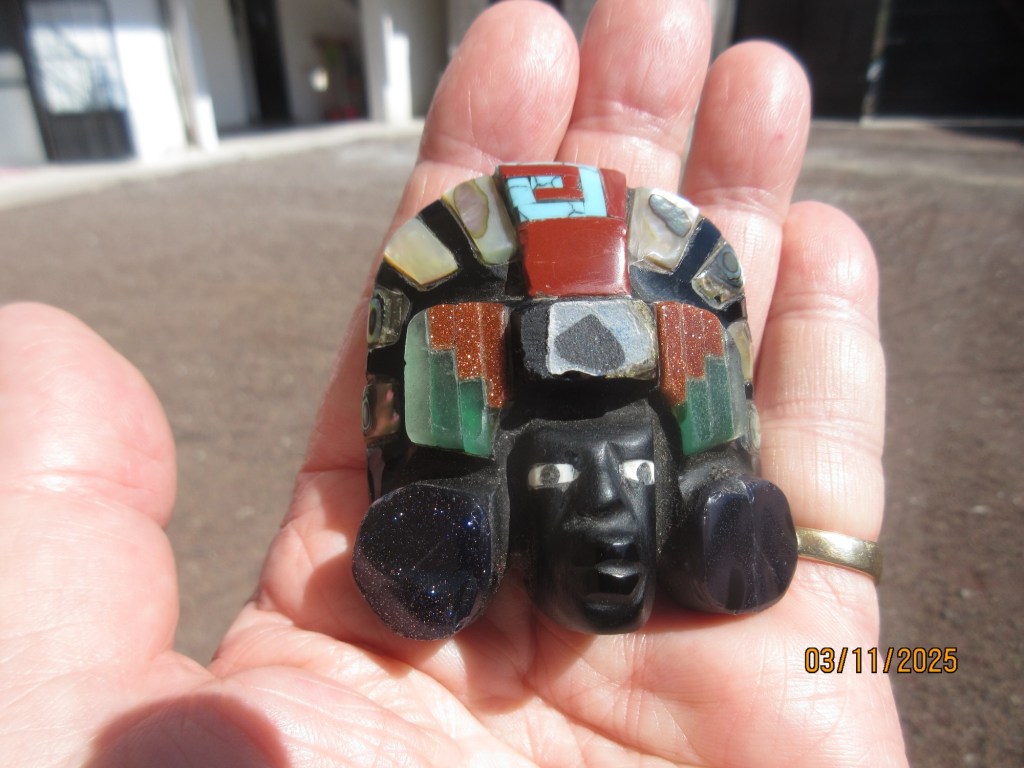
Next we stopped at an artisan workshop where they make jewelry and artifacts out of smooth volcanic glass. We learned about other types of decorative stones used locally. The many uses of the agave plant to produce food, fibre and alcoholic beverages, was demonstrated. We sampled pulque, tequila and mezcal… to great fun.
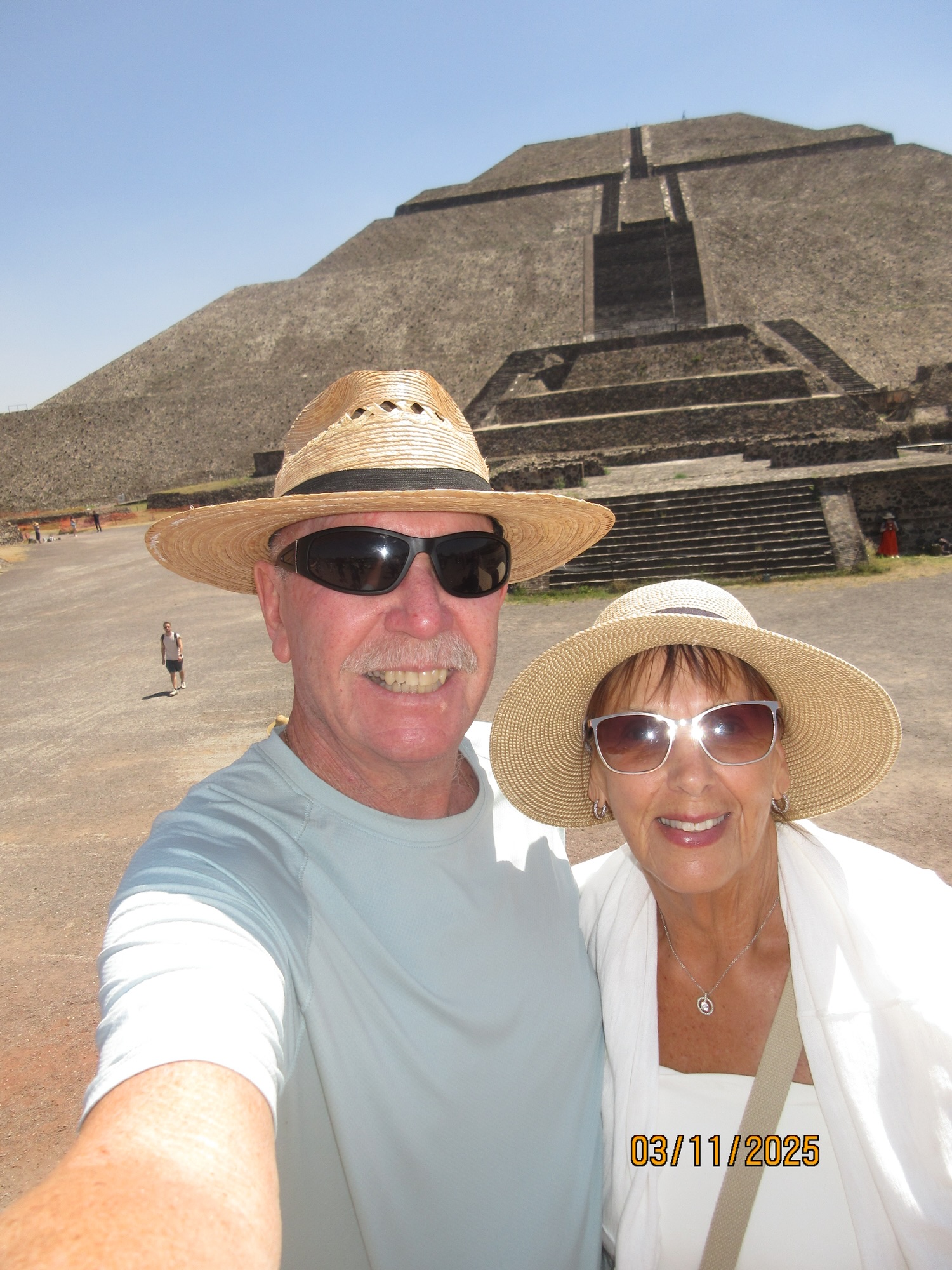
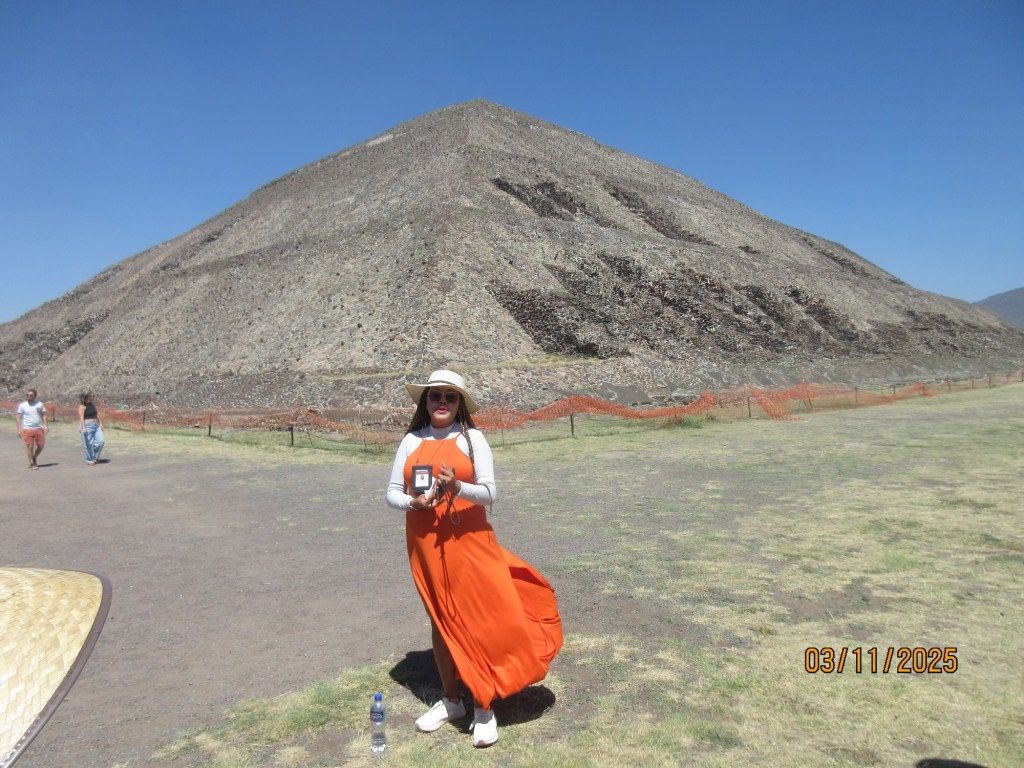
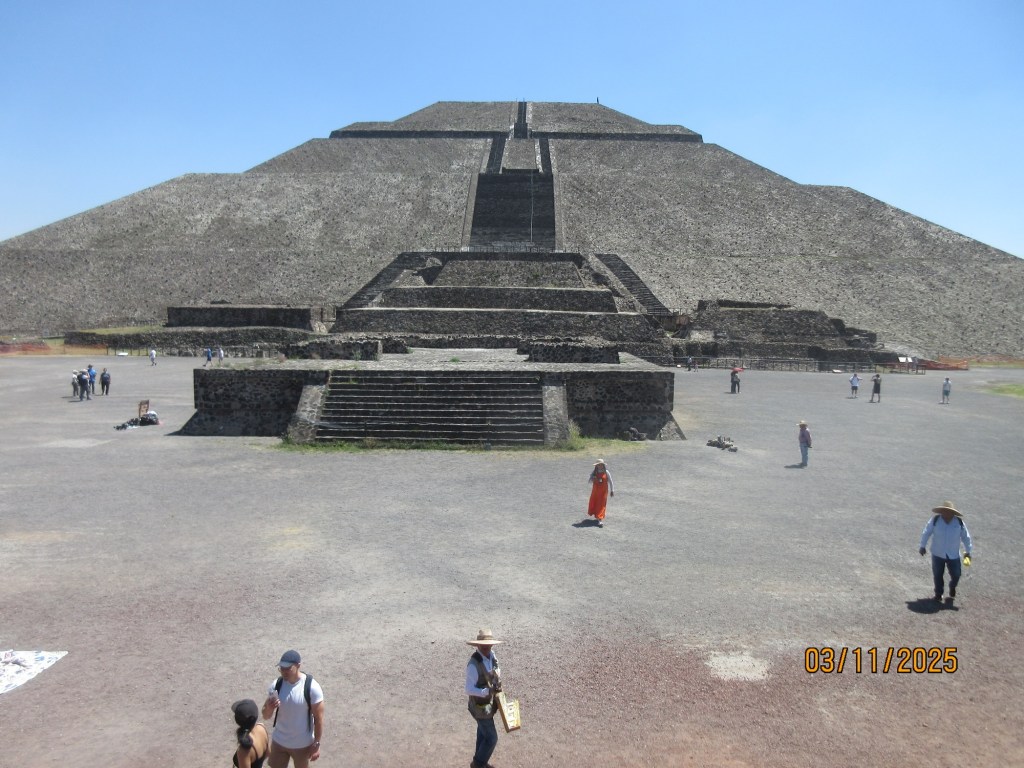
Then we visited the amazing pyramids in Teotihuacán. There are 3 of them – the sun pyramid; the moon pyramid and the pyramid of death. Built as offerings to the gods, they are very impressive. You can’t climb or go inside them. No one actually lived there; it was a huge religious site. It was very hot with UV index of 13! Dave got a bit faint at one point and Marie reminded him to drink more water which worked.
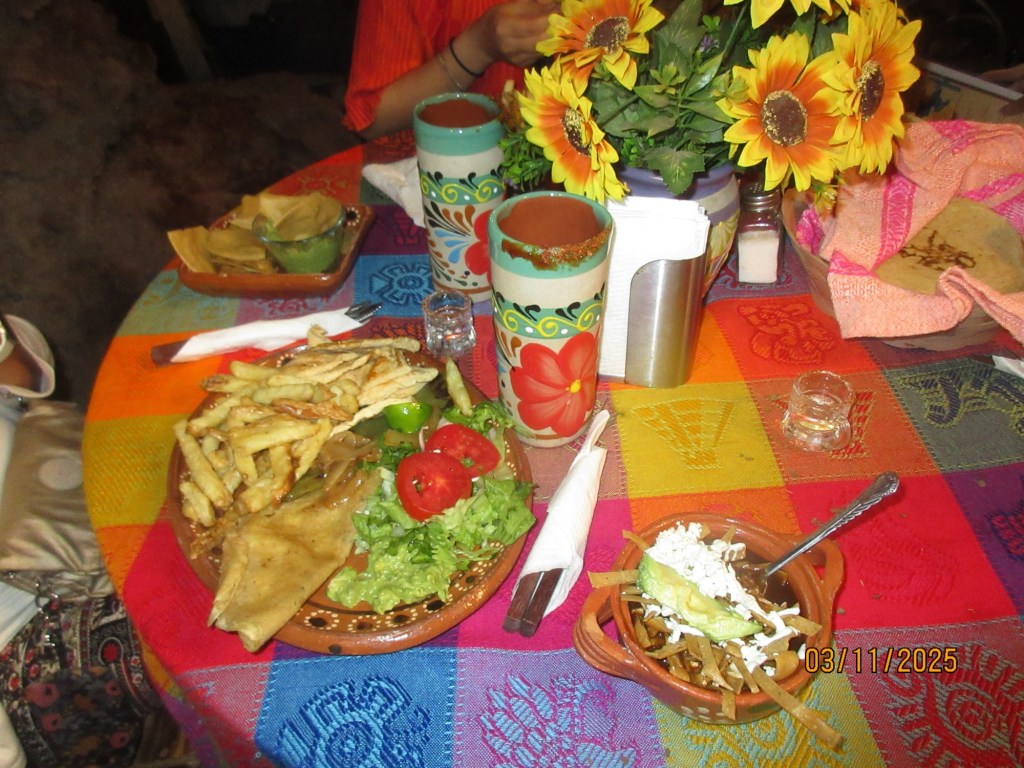
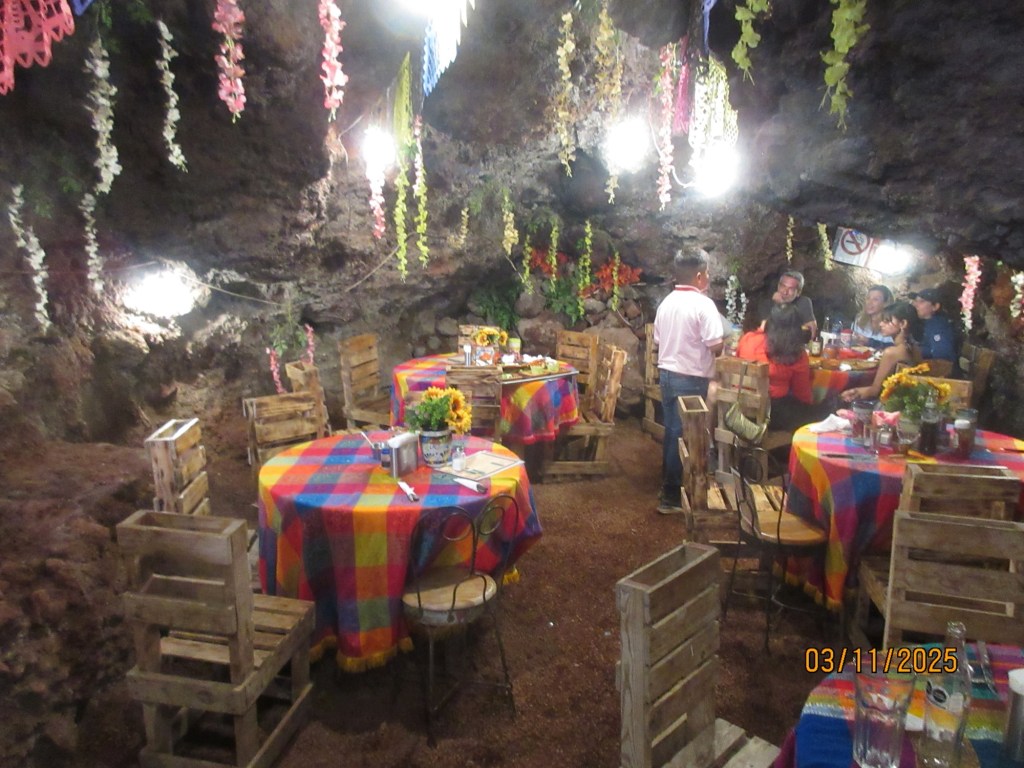
The highlight was eating lunch in a beautiful cave restaurant nearby. Originally a homestead, the family turned it into a fantastic hospitality place. The service, music and food were really top notch. We had a great time as you can see below.
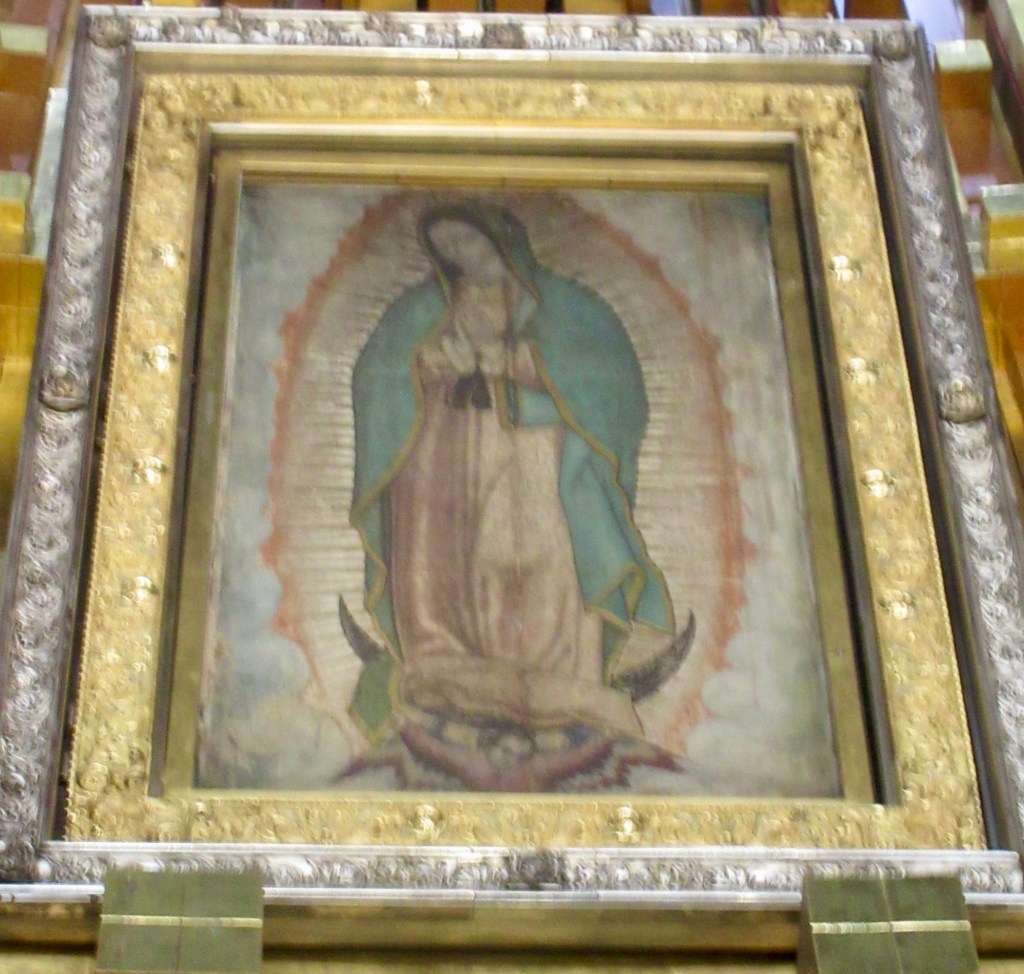
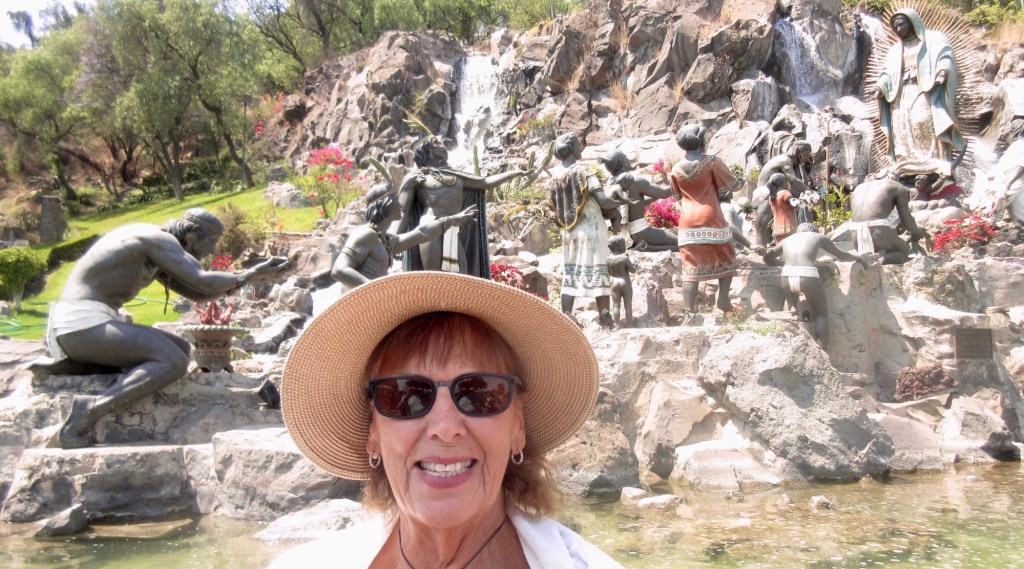
Finally our last stop was the Basilica of Guadalupe, this time without the crowds. We got up close to the venerated image of Our Lady of Guadalupe associated with the apparitions of the Virgin Mary to Juan Diego in 1531. We toured two older basilicas – one built in the 1700s and the first in the 1500s. After a group photo we headed home after 9 hours of touring, satisfied and exhausted.
Itsel was a great tour guide giving us enough information at each site without drowning on. Little gifts of a tequila shot at lunch and a prayer card at Guadalupe were a nice touch. She was very approachable for questions and said she was proud of our group that no one got separated or lost. We highly recommend her tour company xplora world.
Hurray for us in front of the modern Basilica that was built in 1976
We journeyed to the Basilica of our Lady of Guadalupe today, probably the main reason we wanted to visit CDMX.
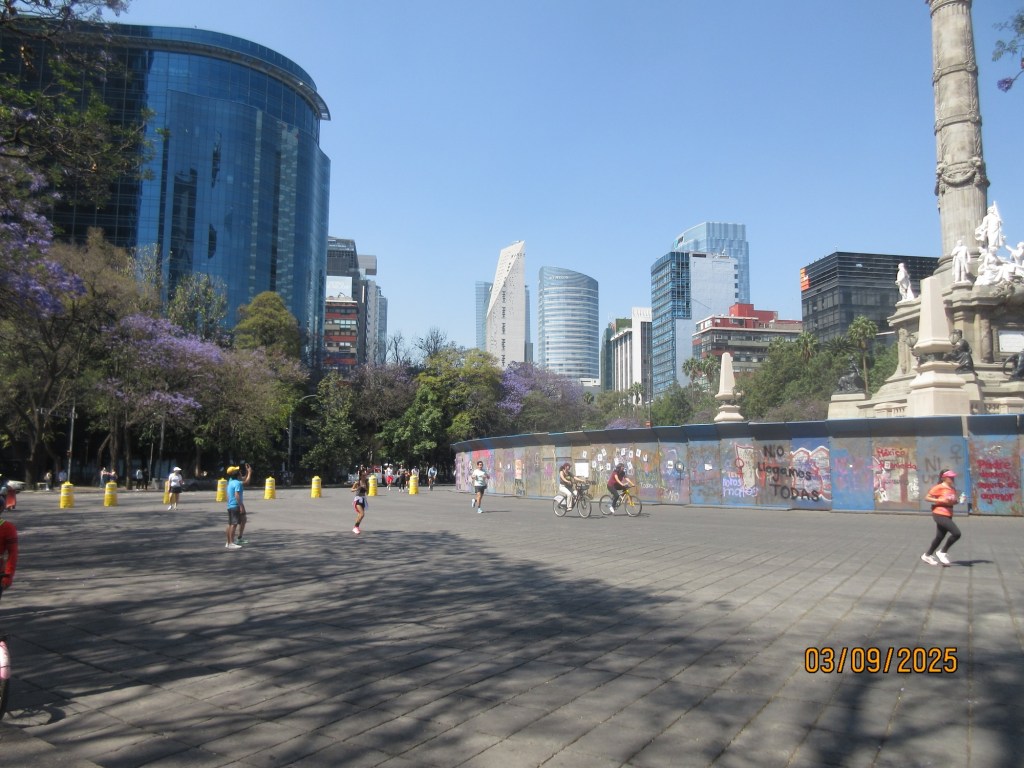
On Sundays the Paseo de La Reforma is closed to vehicles to allow pedestrians and bicycles to enjoy the sights. Needless to say this disrupted our transit plans again lol.
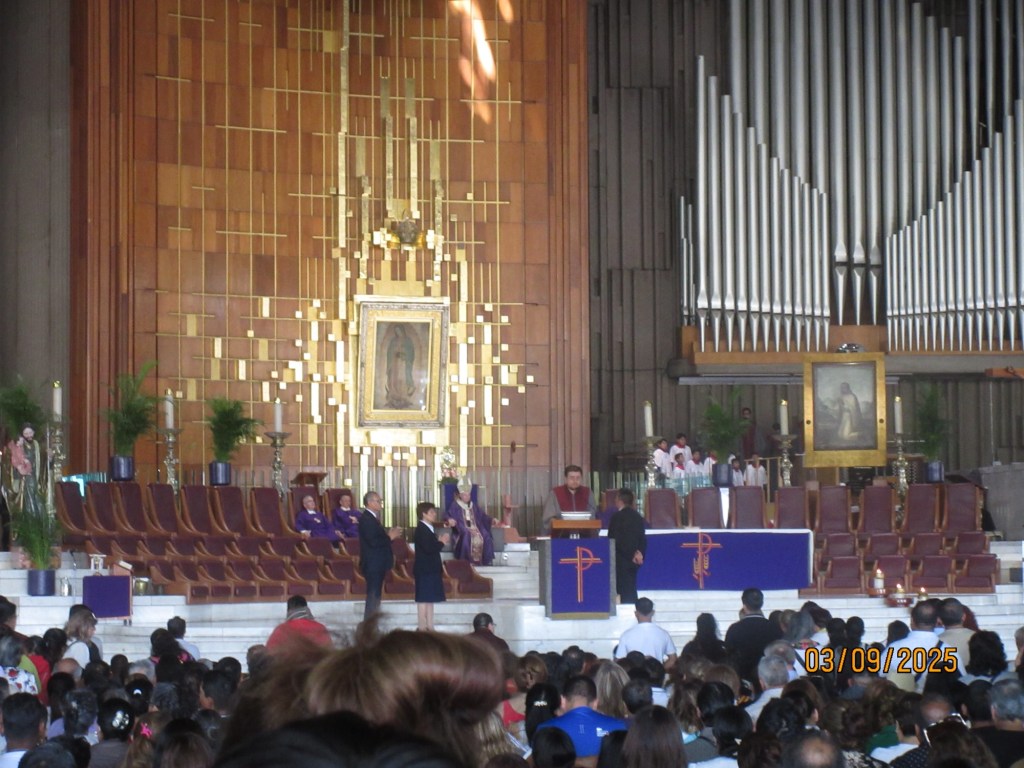
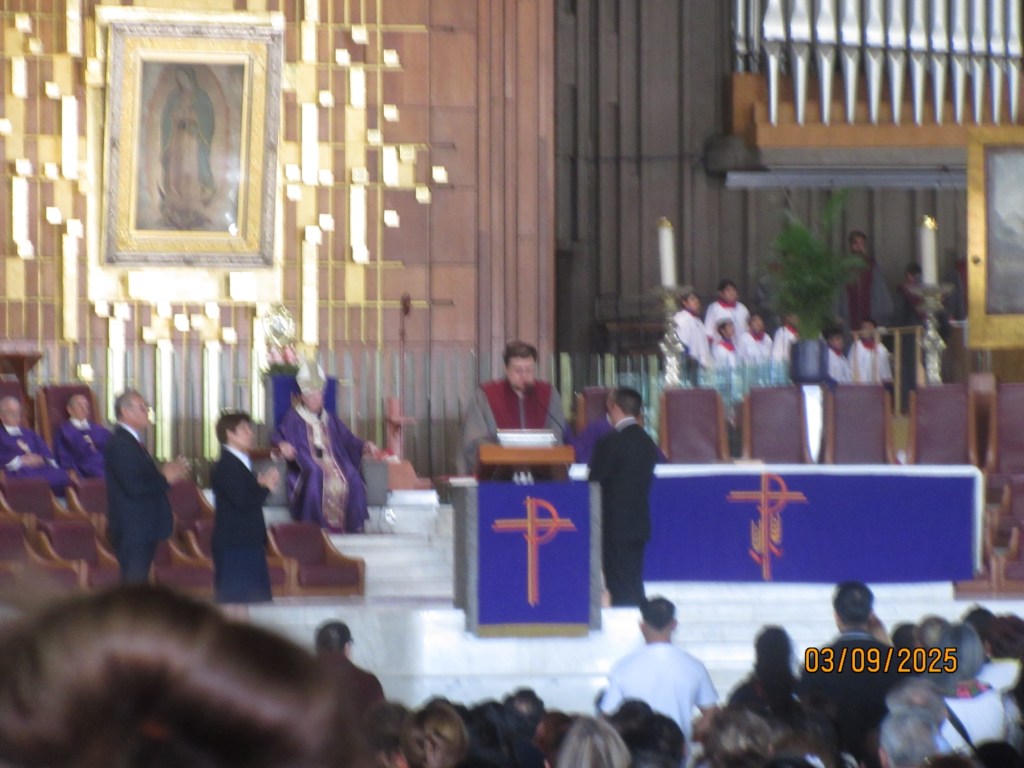
A long subway ride later and a 7 block walk, we were there. We arrived at 12 noon, just in time for Mass but not early enough to get seats. The capacity of the basilica is only 10,000!
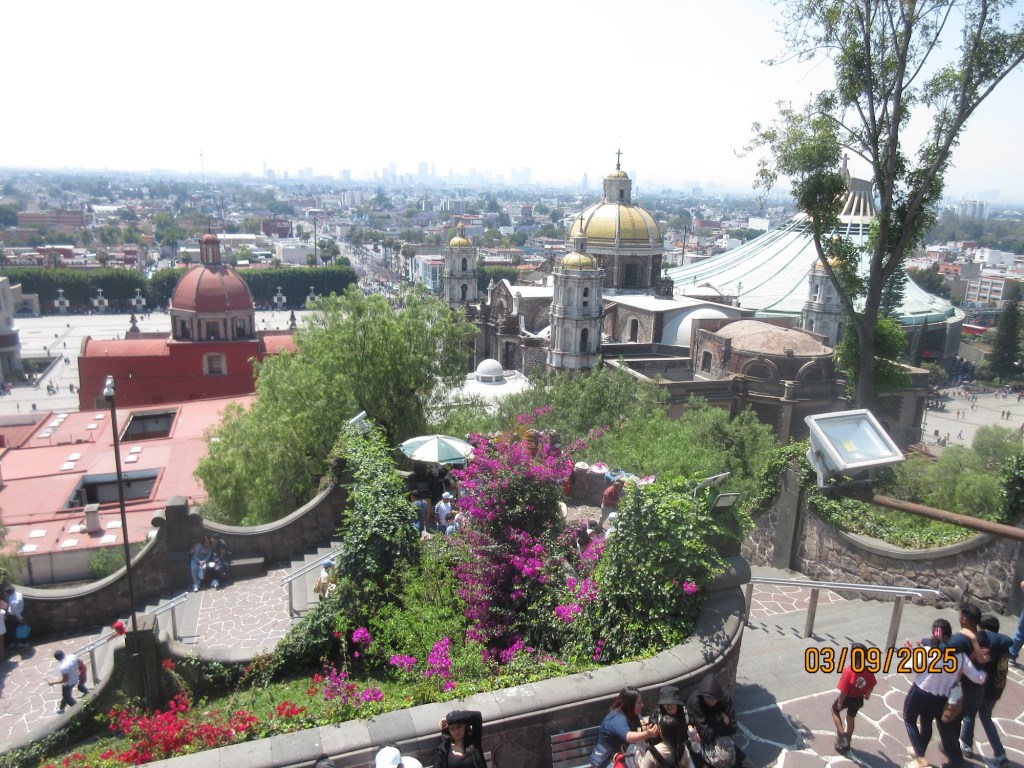
There were people crawling on their knees in the standing room only area. We understood this is nothing like the crowds of several million who flock here for the Feast of Our Lady of Guadalupe in December. Later we climbed the steps of Tepeyac Hill where the Virgin Mary appeared to a Nahua peasant, Juan Diego several times in 1531.
The highlight for us was joining in with a group of young adults from Alabama who were saying the Rosary together at the top of Tepeyac Hill. It was a spontaneous spiritual experience. They were on a mission with their priest and asked us to pray for them.
We plan to go back a second time while we are here to hopefully see the image of Our Lady up close.
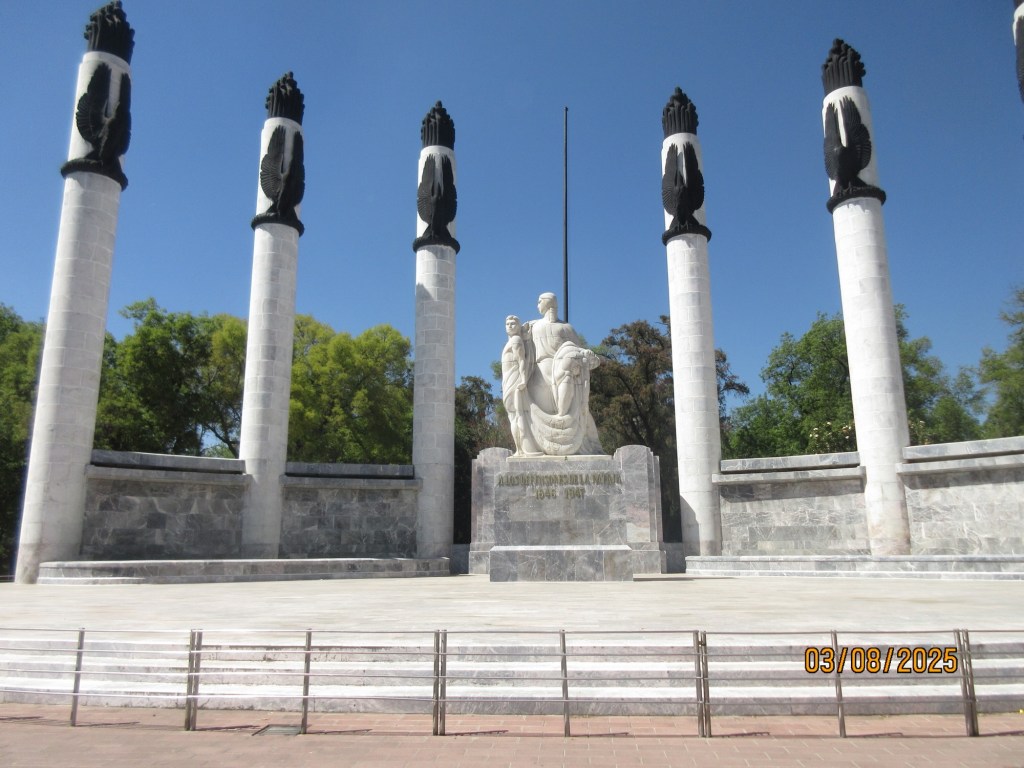
We decided to spend a day in Chapultepec Park, hopefully away from the loud sounds and crowds of our first day. It largely paid off.
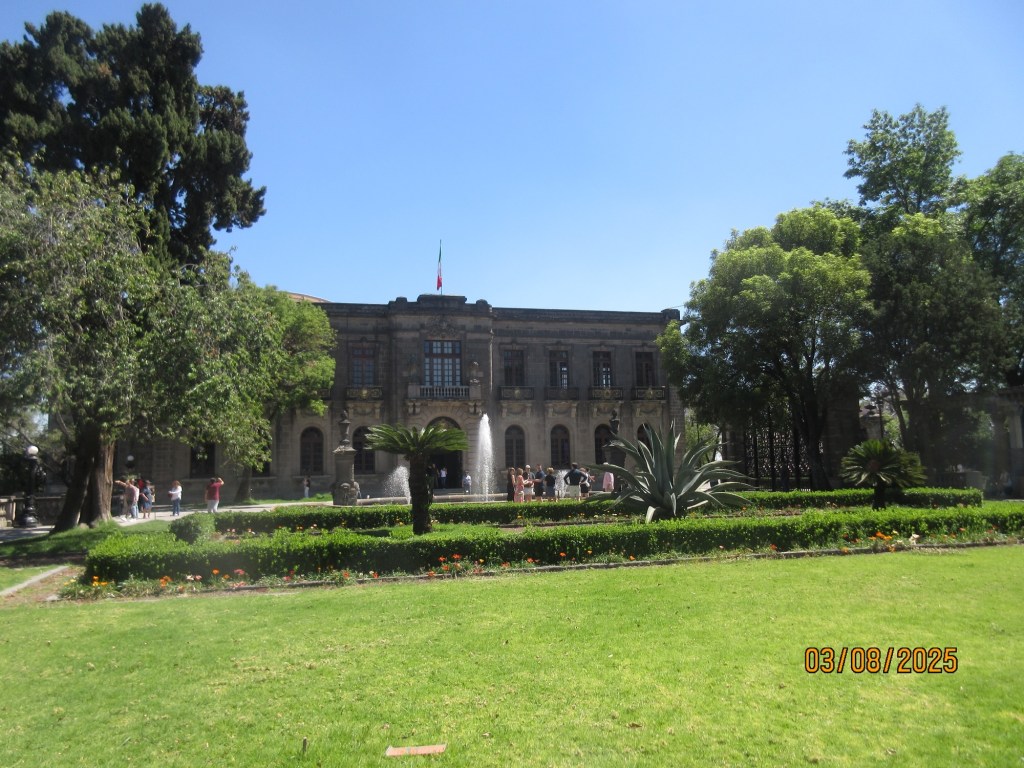
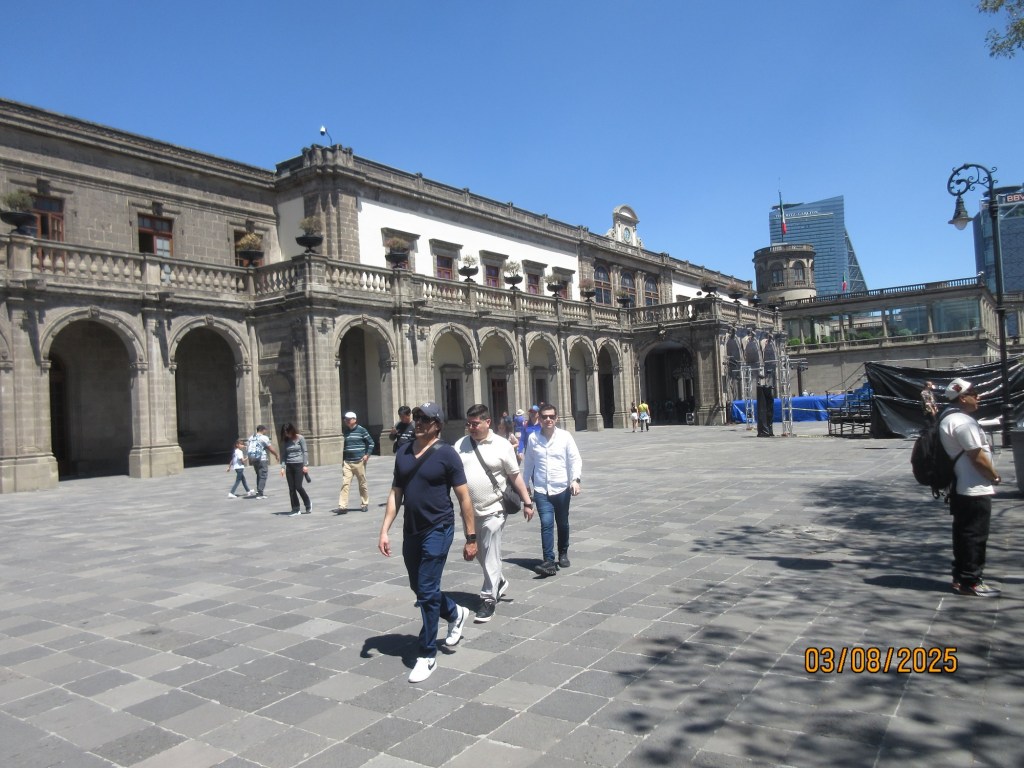
We bused a few stops to the park and walked up toward Chapultepec Castle, the only castle in North America where a reigning king actually lived (Maximilian I, 1864-67). Security is very tight – no food or beverage allowed in including water.
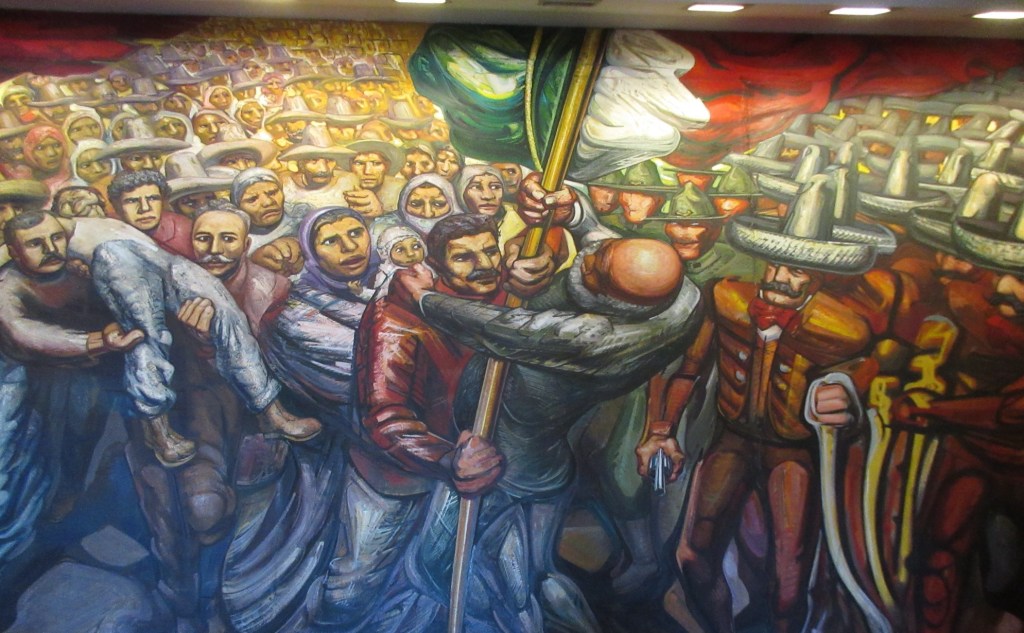
The castle houses the National Museuem of History at one end and Maximilian’s residence at the other. There were many large paintings depicting the major eras of Mexican history: prehistoric and Aztec era; the colonial era under Spain starting in 1519; and the modern era after Mexico gained its independence in 1821.
We found the museum part a little dry but the large paintings depicting the various struggles were very enlightening. The era of Maximilian’s rule was most interesting. When President Benito Juarez announced Mexico would stop paying its massive debt owed to Europe, France decided to install a Hapsburg emperor to retrieve some riches. Maximilian I ruled from 1864 to 1867 when he was cornered and executed by the Mexican Republic.
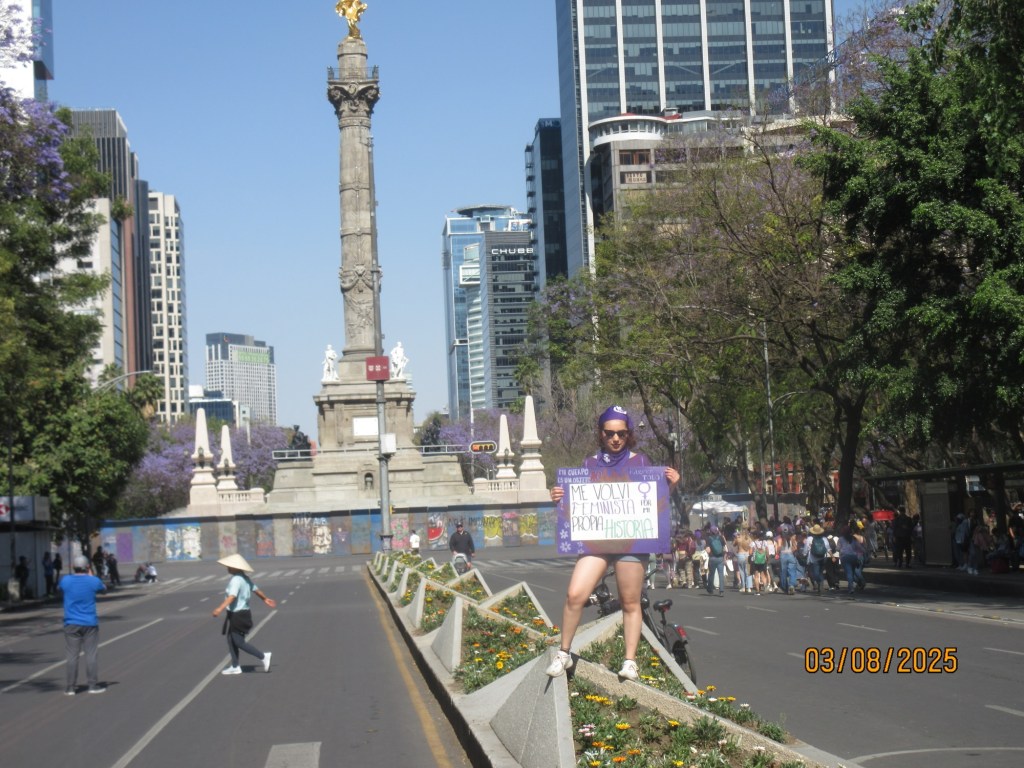
We spent some time sitting by a small lake watching Mexican families with their tethered kids walking by all happy and calm nevertheless. When we went to go back to our hotel, there were no buses running… We grabbed an Uber and got about halfway home. We had to walk the rest because Paseo de la Reforma, the major thoroughfare was closed due to International Women’s’ Day.
Women’s’ rally on the closed Paseo de la Reforma“My body is an object – Burn everything I became a feminist for my own story”
Once again we survived it all but this time opted for a massive paella dinner which was nice for a change. Actually, we bought one and he gave us two!
We arrived in Ciudad de Mexico (CDMX, Mexico City) by limo service from San Miguel for a 7 night stay. Needless to say we were quite overwhelmed by the big city, the noise, the sights, the sounds, the smells. The next day our first, we went on a guided walking tour of the historical centre of town.
We took a bus and the subway for the first time without knowing how payment works. We got on the bus and tapped our credit card as this is how it works in Singapore. No go. I asked the driver if they take cash. No go. So we ride for free lol. At the subway station we picked up the Presto transit card you need and loaded it up with some cash. Problem solved.
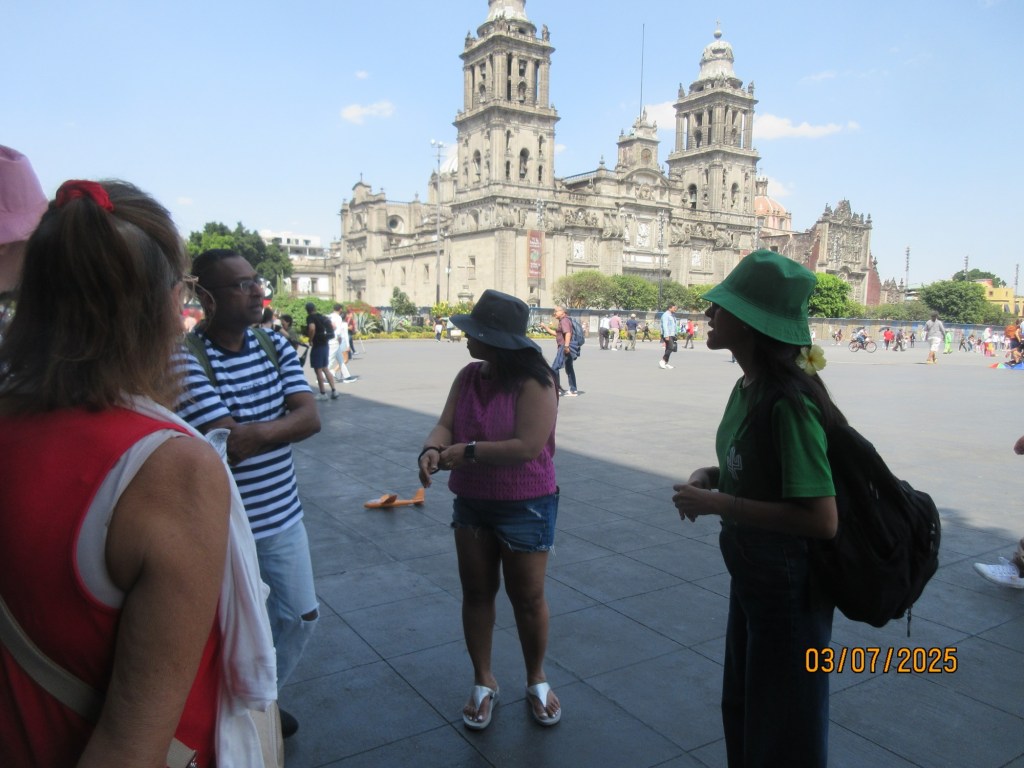
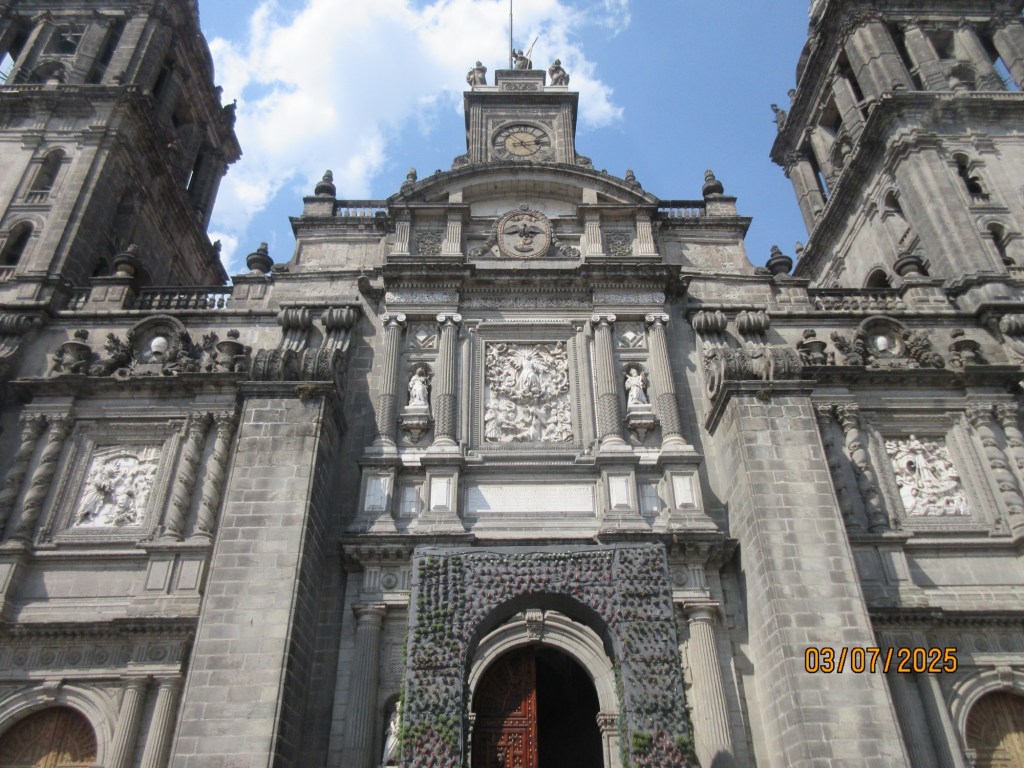
We were supposed to meet the tour guide at the main entrance to the huge Cathedral. Well there is currently a 10 foot high steel wall surrounding the church so we could not find the door. We finally found a side entry door in the wall but when we got around to the church front door, there was no one there… except 2 other English speaking tourists who were looking for the same guide. Eventually our tour guide Natalie did come around and retrieved us. Phew!
Nat took us on an exhaustive 3 hour walking tour and regaled us with the history of the local area including when the Aztecs were there, the Spanish conquest by Cortes in 1521 and many stories of famous Mexico modernizing President Porfirio Diaz. We heard about the presidential palace on the Zocalo adjacent to the cathedral where current very popular Mexican president Claudia Sheinbaum lives.
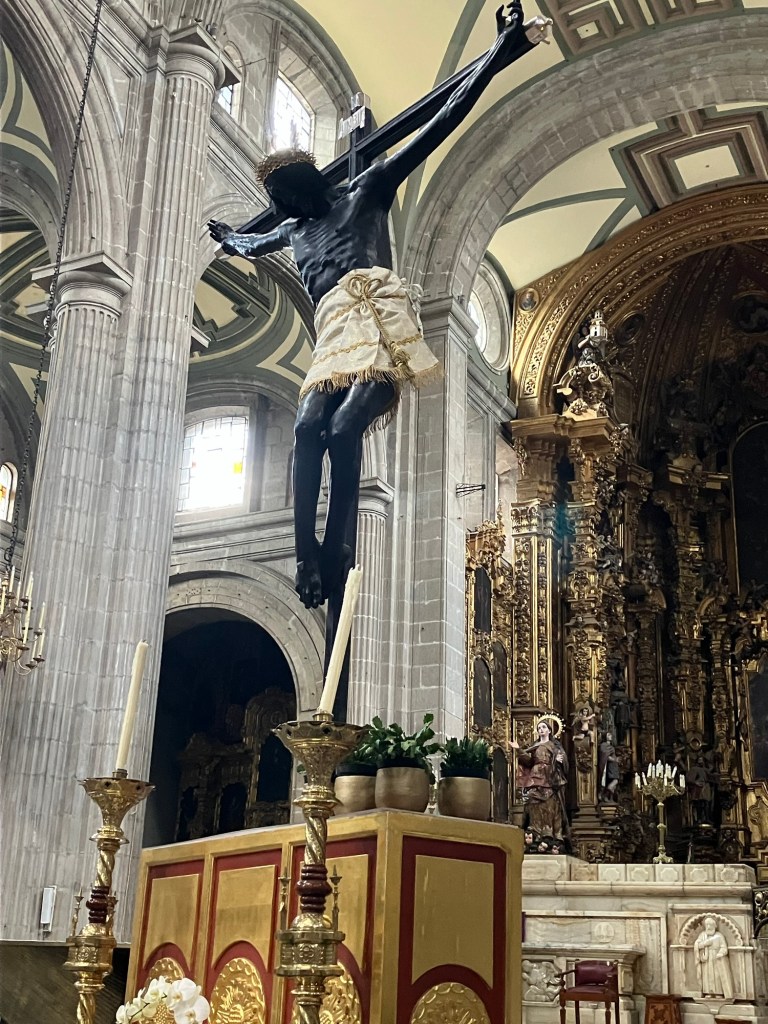
Many other stories including an interesting one about the very unusual black Christ crucifix in the cathedral. (A bad guy was trying to kill a priest and so placed poison on the feet of the crucifix of Jesus that the priest kissed every morning. The next day when the priest went to kiss Jesus’ feet, Jesus raised his knees high up to spare the priest’s life and absorbed the poison turning black in the process.)
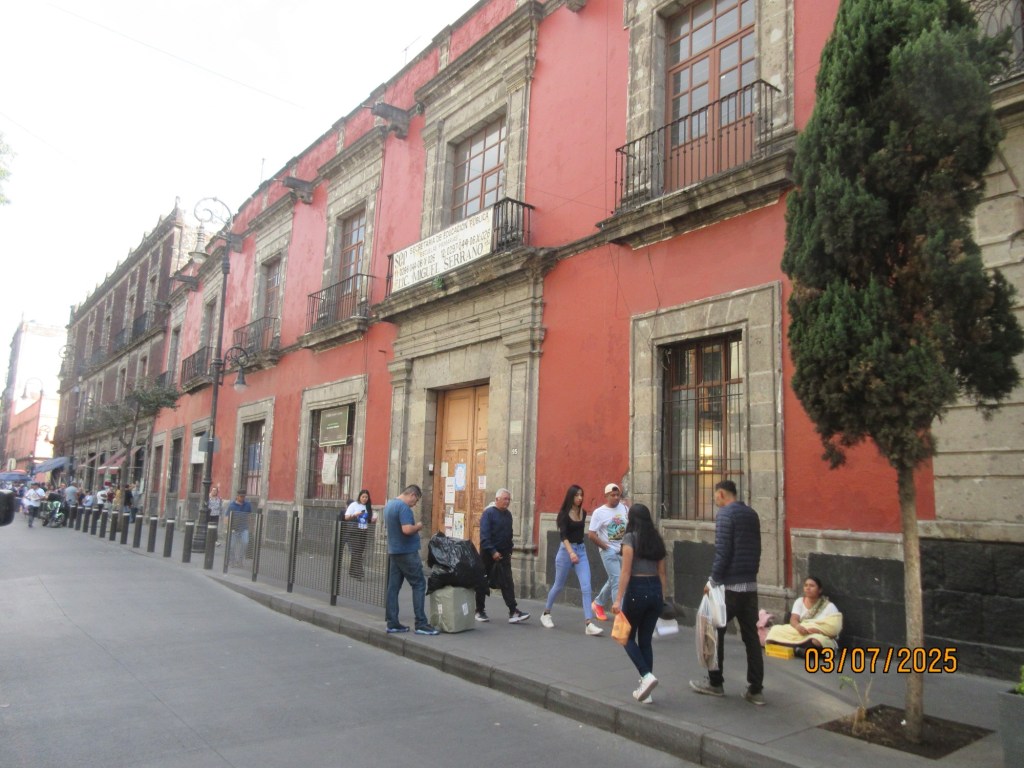
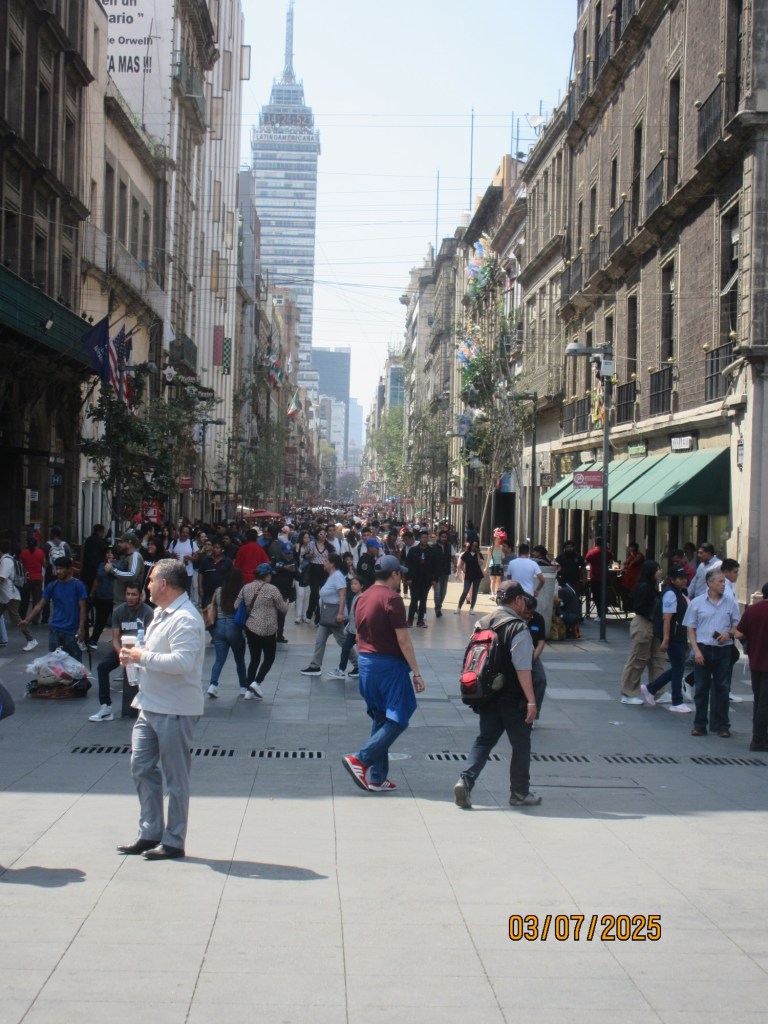
We enjoyed the tour but had trouble hearing what Nat was saying at times and some of the stories were a little long. The historical area was jam packed with people all jabbering away yet always smiling. A heavy police presence was everywhere. It was very very loud with food stalls, hawkers etc.. Hey this is CDMX (population 9.2 million). We survived it all and found our way back to our hotel after reloading our Presto card with more cash.
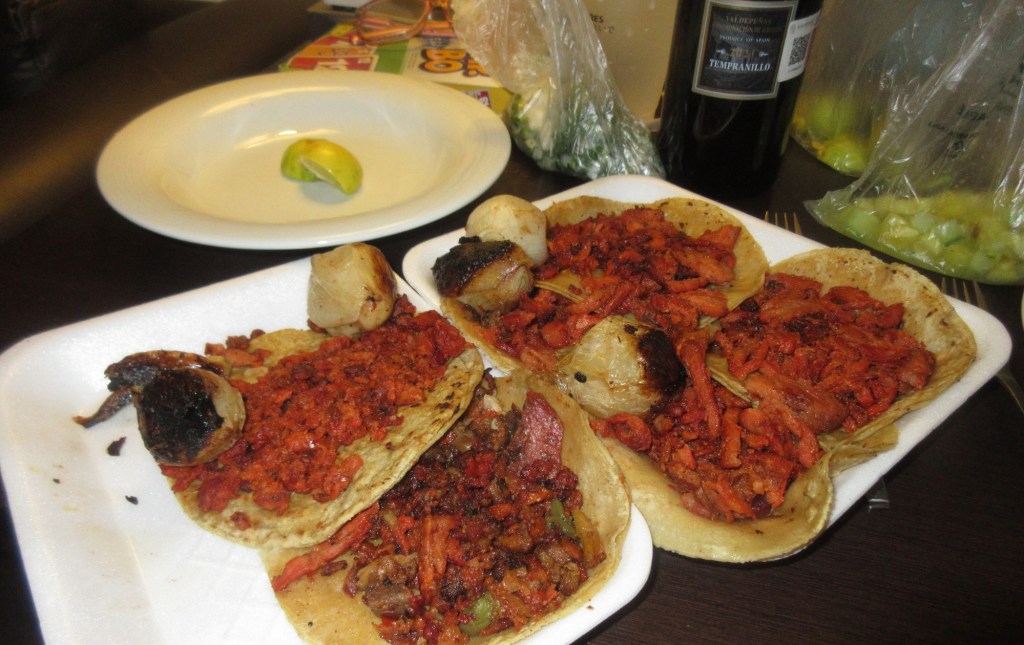
A couple of Heinekens later, we ventured around the corner from our hotel to pick up … more tacos al pastor … and returned to our room very happy and satisfied after another great day.
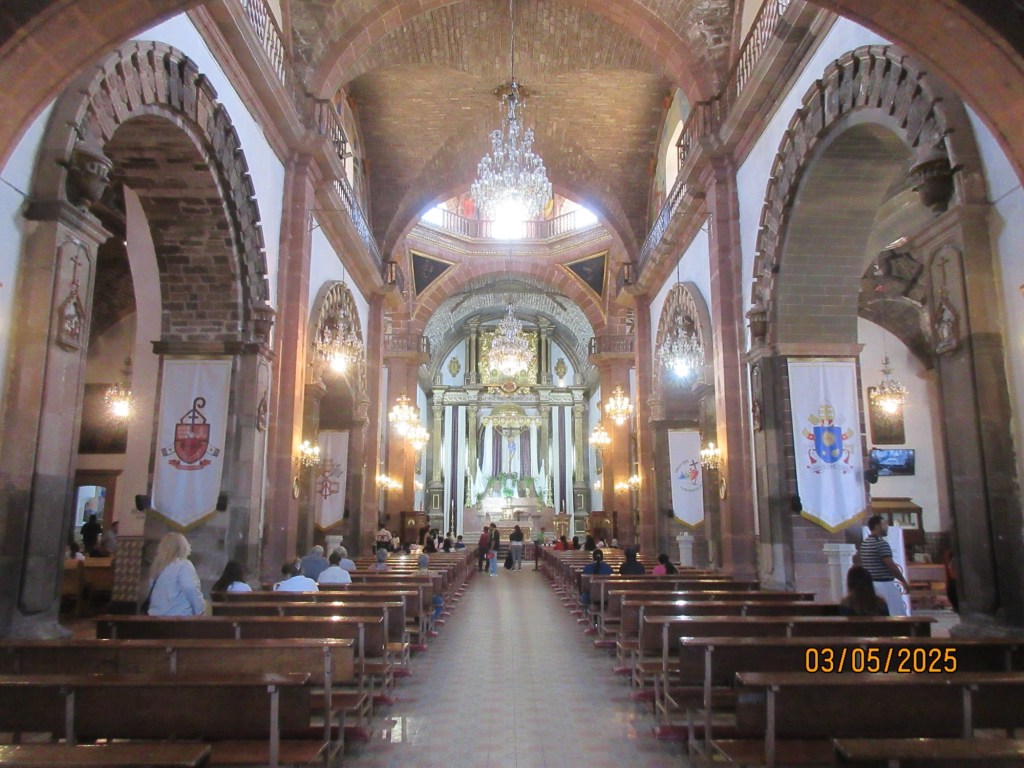
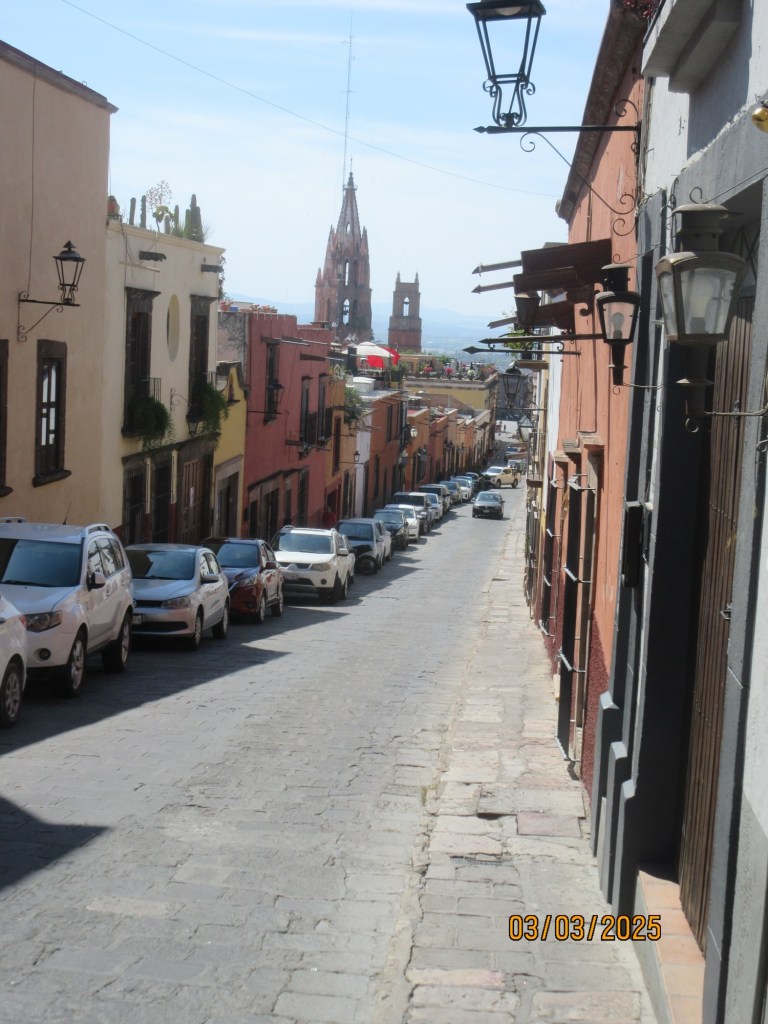
Approaching the iconic Parroquia de San Miguel de Arcangel from the rearFrom the frontInside
Marie and I spent 3 wonderful days in San Miguel de Allende, a 16/17th century Spanish colonial town located a few hours NW of Mexico City. A world heritage site, San Miguel is St. Michael the Archangel and Allende is the name of a famous Mexican general involved with Mexico’s independence from Spain in 1821.
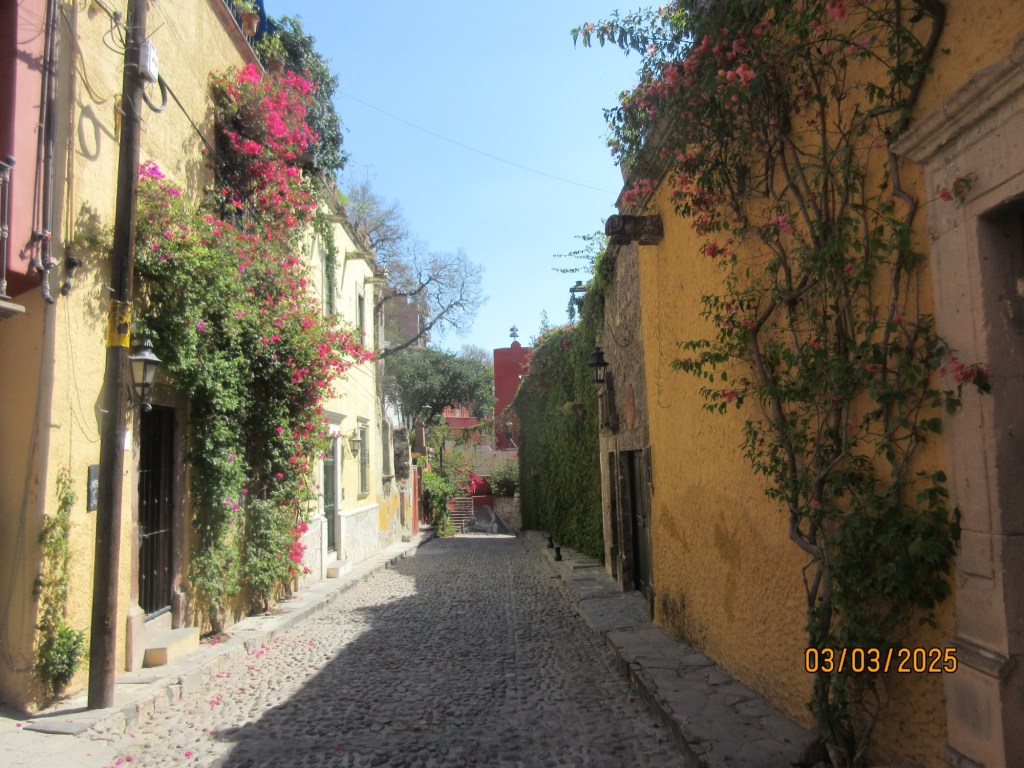
What we liked about the town is its cleanliness – an army of cleaners hit the streets at 5 am every morning and “sweep baby sweep”. Vehicle tires literally squeak on the polished cobblestone streets.
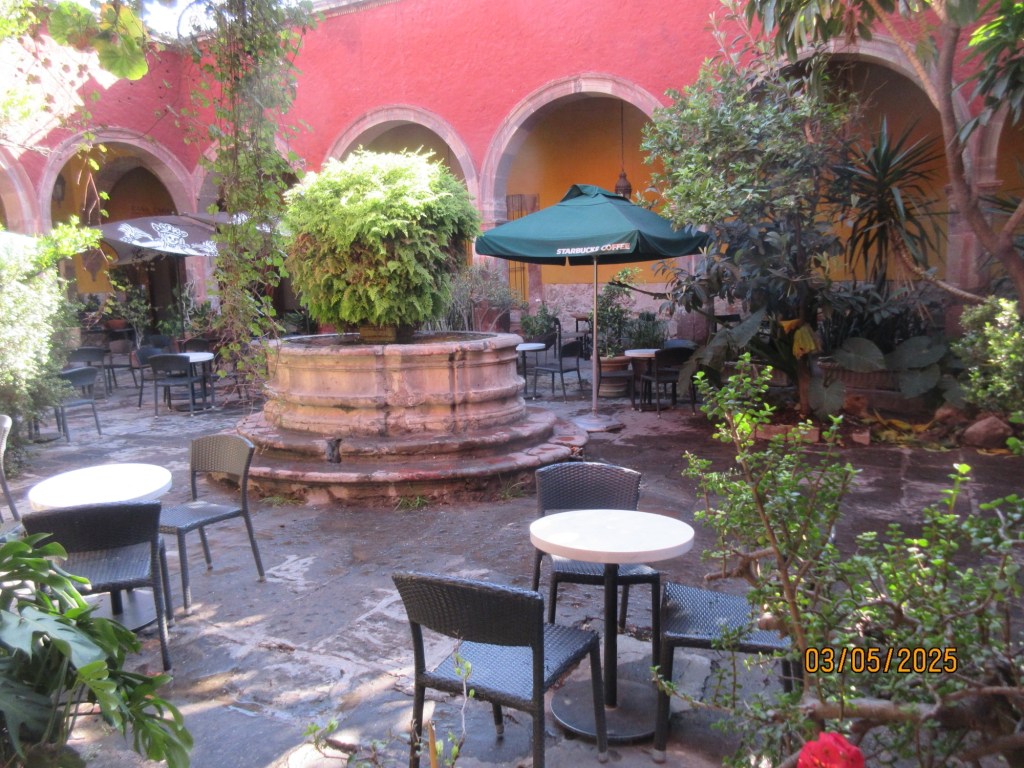
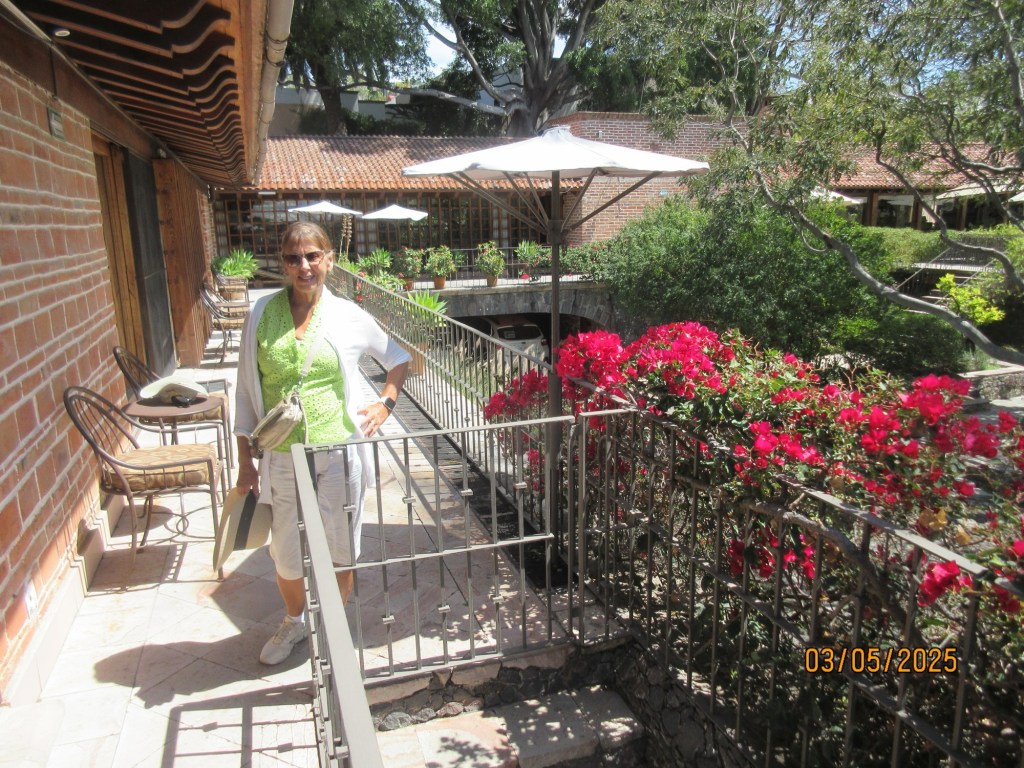
Spanish colonial architecture is everywhere: beautiful dark wood doors open up onto hundreds of tranquil courtyards with fresh green leaves, shady tree bright flowers and lazy fountains.
The overall atmosphere is one of peace. Despite heavy vehicle and motorcycle traffic at times including many city buses, people are calm, relaxed, friendly and cheerful. The sidewalks are narrow. One must pay attention. It was Mardi Gras time and the kids were having fun cracking confetti filled eggs over each other.
There was some street theatre too.
The hundreds of little boutique shops, tasty food eateries, art stores and museums complete the picture. We loved it all.
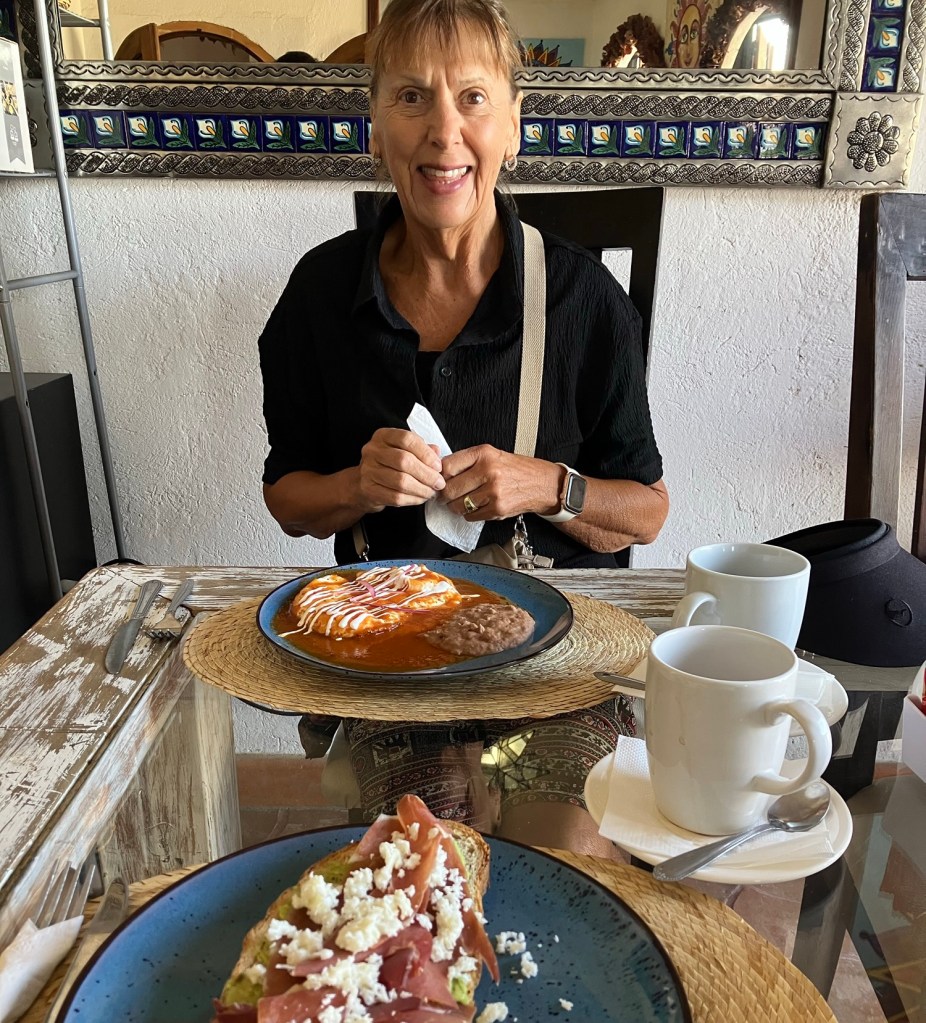
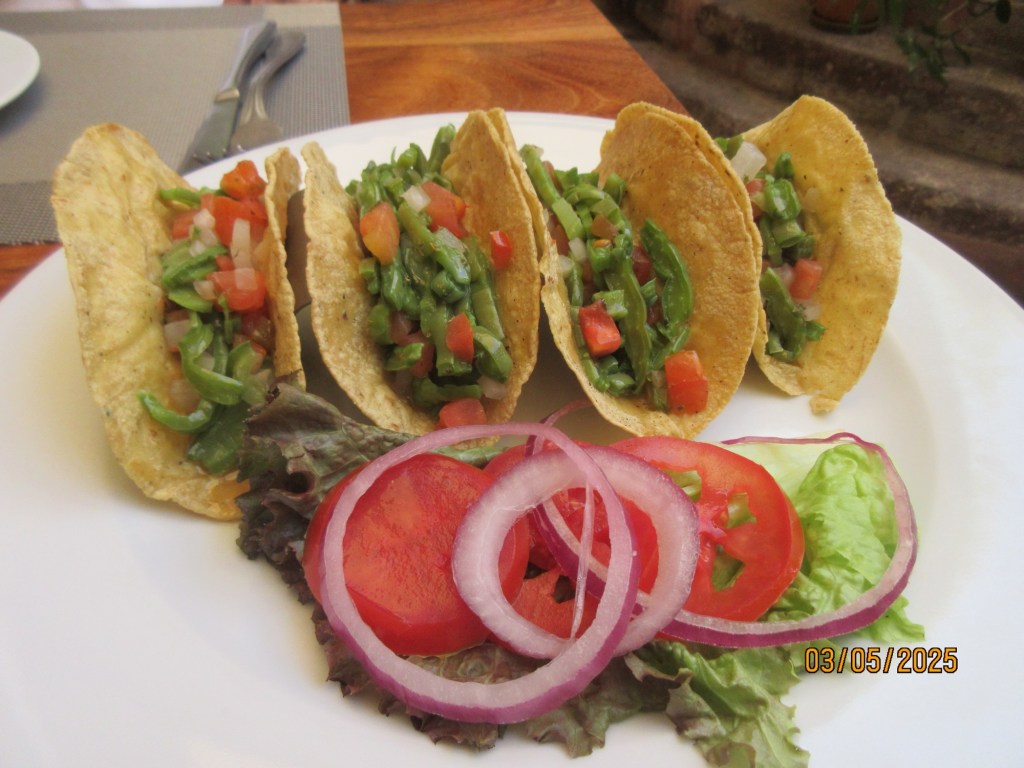
For 3 days we ate tacos of every kind – Al pastor, fish, beef, vegetarian, All were incredibly cheap and yummy. We walked and walked and climbed hills and staircases until we dropped. We recuperated in our lovely 2 floor suite and then went out and did it again.
We attended Ash Wednesday Mass at Parraquia de San Miguel and thanked God for this wonderful place and our visit – hopefully to be repeated again someday soon. Highly recommended place to go.












































 mattersofthemoment